




More Than Just Comfort Food
Let’s be honest: when you think of Indian food, you might picture a feast. A creamy butter chicken, fragrant biryani, and pillowy naan bread perfect for scooping up every last drop of sauce. This is the delicious, hearty fare that defined Indian cuisine
for decades in the American mainstream. It’s comforting, complex, and utterly satisfying. But it’s also a limited snapshot, primarily representing the rich restaurant-style cooking of North India. Today, a quiet revolution is happening in home kitchens and modern Indian-American restaurants. Driven by a new generation of chefs, cookbook authors, and health-conscious home cooks, the definition of Indian food is expanding. It’s shedding its reputation as a heavy, special-occasion meal and embracing a lighter, everyday identity that aligns with modern wellness principles. This isn't about abandoning tradition, but rediscovering its healthier roots and creatively adapting it for a new era.
The Global Wellness Influence
The shift is deeply connected to the global wellness movement that has reshaped how Americans eat over the past decade. Concepts like plant-based diets, low-carb living, gluten-free options, and the importance of nutrient-dense “superfoods” are no longer niche. Indian-American cooks and chefs are asking the same questions as everyone else: How can I make this healthier? Can this be made vegan? How do I reduce sugar and unhealthy fats without sacrificing flavor?
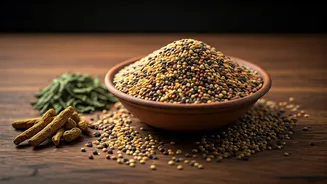
This has led to a fascinating period of culinary innovation. The complex spice profiles of Indian cooking are a perfect canvas for this experimentation. The inherent vegetarian-friendliness of many regional Indian diets provides a strong foundation for modern plant-based eating. It’s a natural fusion, where the ancient wisdom of using spices for their health benefits (think turmeric, ginger, and cumin) meets the modern desire for food that tastes good and makes you feel good.
New Ingredients, Ancient Grains
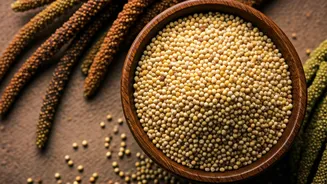
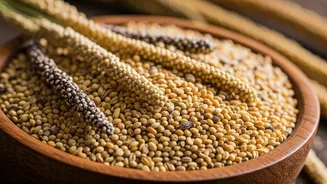
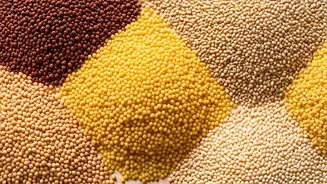
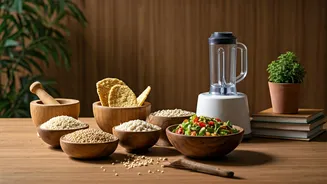
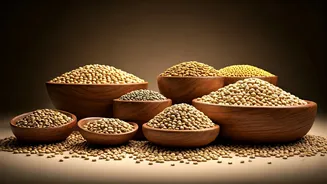
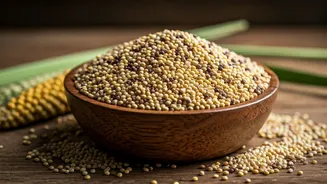
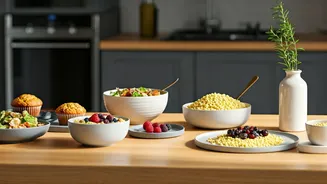
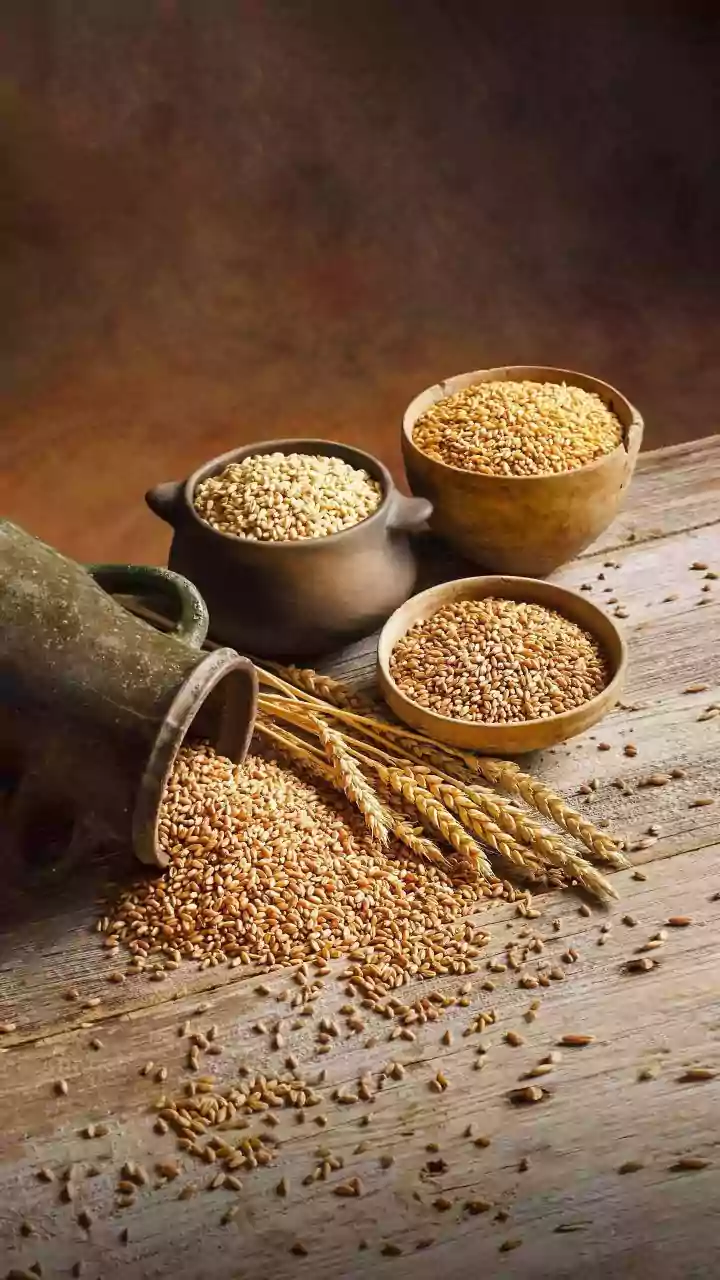
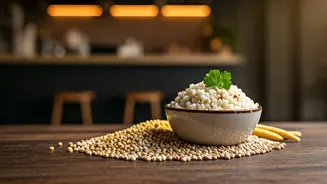
So what does this look like on the plate? For starters, the pantry is changing. White rice is often swapped for protein-packed quinoa or fibrous brown rice. In a more traditional nod, ancient Indian grains like millet and sorghum, which are naturally gluten-free and packed with nutrients, are making a major comeback. Breads are also getting a makeover. Instead of refined white flour, you’ll find recipes for roti and paratha using almond flour, chickpea flour (besan), or oat flour to lower the carb count and boost nutrition.
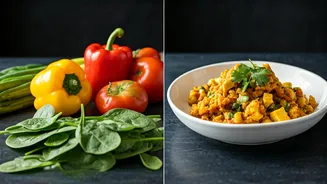
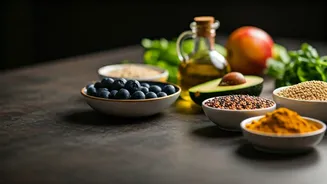
Global superfoods are also being seamlessly integrated. Kale is sautéed with mustard seeds and coconut, much like traditional spinach (saag). Avocado finds its way into raita (a yogurt dip) or is mashed with Indian spices for a new kind of chutney. Chia seeds are used to thicken puddings that were once reliant on milk and sugar. These aren't gimmicks; they are thoughtful swaps that maintain the spirit of the original dish while enhancing its nutritional profile.
Rethinking Fats and Techniques
The wellness twist also extends to cooking methods and the fats used. While ghee (clarified butter) remains a beloved and respected fat, especially for its high smoke point and flavor, there's a broader acceptance of other healthy fats. Avocado oil and coconut oil are now common in modern Indian kitchens. Rich, cream-based sauces are being re-engineered. Instead of heavy cream, many cooks now use blended cashews, almonds, or coconut milk to achieve that signature silky texture in curries like korma or tikka masala.
Techniques are evolving, too. There’s a greater emphasis on lighter cooking methods that let the ingredients shine. Instead of deep-frying every samosa or pakora, people are turning to air fryers and ovens to get a satisfying crunch with a fraction of the oil. This approach isn’t about stripping the joy from the food; it’s about finding a new balance where flavor and health can coexist beautifully.