






The Rise of the ‘Pet Parent’
For generations, the role of a dog in many Indian households was functional—a guard for the property, fed on table scraps and simple foods like milk and roti. Today, that picture is being rapidly redrawn, especially in urban centers like Mumbai, Bengaluru,
and Delhi. A new generation of millennial and Gen Z professionals is driving a profound cultural shift. Living in nuclear families, often far from their hometowns, they are adopting pets not as guards, but as companions and full-fledged family members. This phenomenon, known as “pet humanization,” is the engine behind the entire pet care boom. These new “pet parents” are applying the same wellness and lifestyle standards they have for themselves to their pets. They are more educated about animal health, more connected to global trends via social media, and, crucially, they have the disposable income to act on their desires.
Beyond the Bag of Kibble
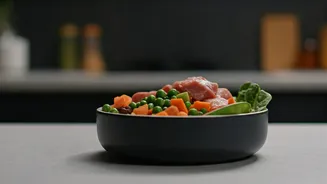
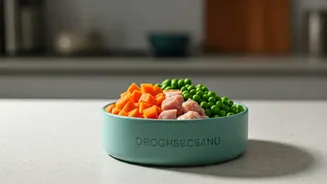
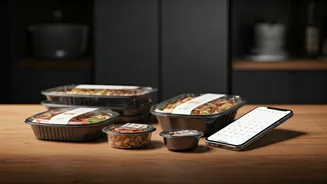
The primary beneficiary of this shift is the pet food sector. For decades, the market was dominated by a handful of global giants like Mars, Inc. (owner of Pedigree and Royal Canin) and Nestlé (Purina). Their product was simple, shelf-stable kibble. But as Indian pet owners began questioning the processed ingredients in dry food, a gap in the market appeared. Into this space have jumped a wave of dynamic, venture-backed startups. Companies like Pawfectly Made and Fresh For Paws are offering subscription services for fresh, gently cooked meals formulated by veterinarians and customized to a dog’s breed, age, and health needs—sound familiar? It’s the same model that propelled brands like The Farmer’s Dog to success in the U.S. Other players, like Supertails, have built digital platforms that combine e-commerce with tele-consultations, while retailers like Heads Up For Tails have created a premium, boutique experience that feels more like a wellness shop than a simple pet store.
A Market Unleashed
This isn't just a niche trend; it's a booming business. The Indian pet care market is one of the fastest-growing in the world. While still smaller than the U.S. market, it’s projected to explode from around $450 million in 2021 to over $1 billion by 2025, with a compound annual growth rate of 15-20%. Investors have taken notice. Startups in the space have raised tens of millions of dollars in venture capital, signaling confidence that this is not a passing fad. The appeal for investors is clear: a massive, young population, rising incomes, and a low but rapidly growing pet ownership rate. While only a fraction of Indian households own a pet compared to the U.S., the sheer size of the population means that even a small percentage increase translates into millions of new customers.
Challenges on the Road Ahead
Despite the explosive growth, the path forward isn’t without obstacles. The biggest hurdle is price. Custom-cooked meals can cost several times more than a bag of Pedigree, putting them out of reach for a large segment of the population. The market for premium and super-premium pet products is still concentrated in the top-tier metro areas. Furthermore, logistics and maintaining a cold chain for fresh food are incredibly complex in a country as vast and varied as India. These startups also face the challenge of consumer education. They must convince a generation of new pet owners that the higher price is justified by better health outcomes, a process that takes time and significant marketing spend. They are not just selling a product; they are selling a new philosophy of pet care.