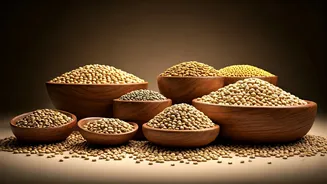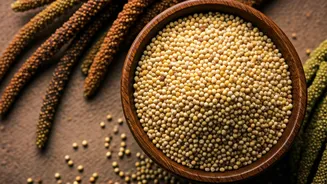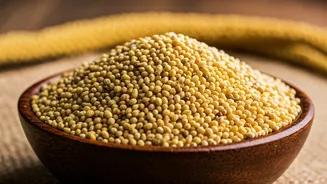


So, What Exactly Are Millets?
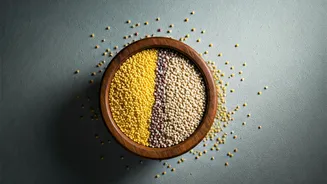
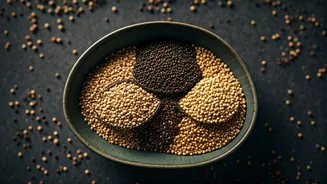
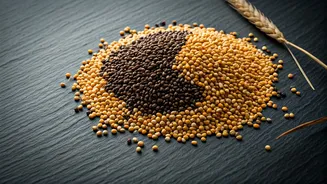
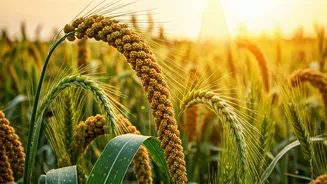
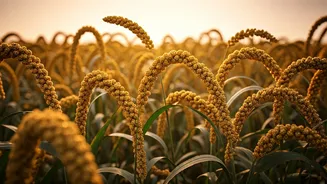
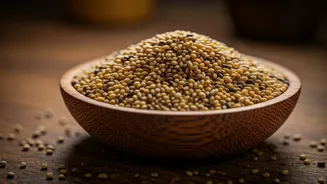
First, let’s clear up the basics. If you hear ‘millet’ and think ‘birdseed,’ you’re not entirely wrong, but you’re missing the bigger picture. Millets are a group of small-seeded grasses that have been cultivated for thousands of years across Africa and Asia.
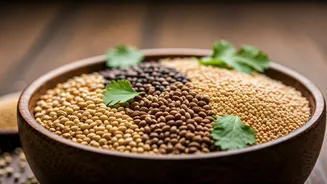
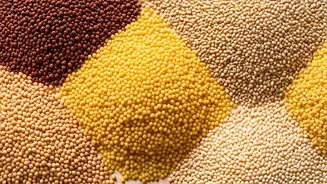
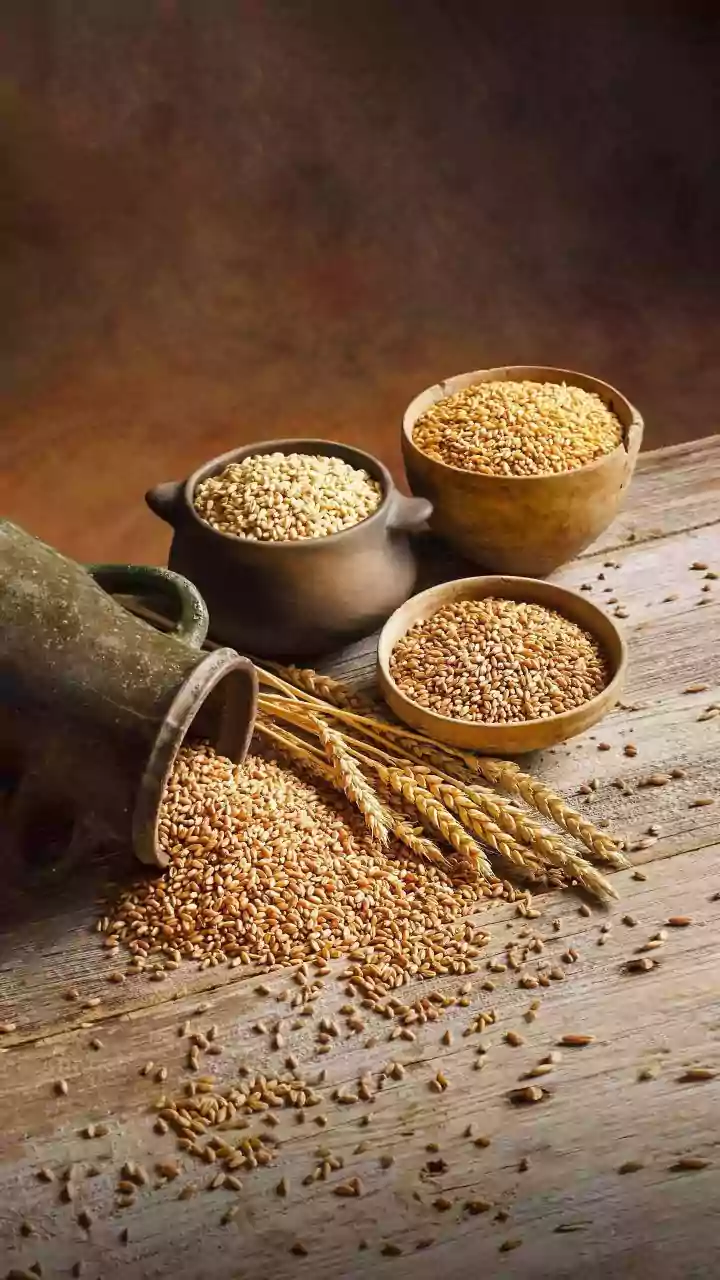
Think of them as a category, like ‘berries,’ rather than a single item. This family includes varieties like pearl millet (bajra), sorghum (jowar), finger millet (ragi), and foxtail millet. For centuries, these were staple foods, providing essential nutrition to vast populations long before modern wheat and rice became dominant. They are hardy, versatile, and have a subtle, nutty flavor that can adapt to countless dishes. In the U.S., we’ve seen a similar phenomenon with quinoa, another ancient grain that went from relative obscurity to a pantry must-have. Millets are India’s answer to that trend, but with even deeper historical roots.
The ‘Heritage’ Part of the Equation
In India, millets aren’t a new discovery; they’re a rediscovery. Archaeological evidence shows they were a primary food source in the Indus Valley Civilization over 4,000 years ago. They were the dependable, everyday grains of rural and agrarian communities—the food that fueled farmers and families. They are woven into the country's agricultural and culinary fabric, with regional recipes passed down through generations. So why did they fall out of favor? The Green Revolution in the 1960s prioritized high-yield crops like wheat and rice, supported by government subsidies and irrigation. These crops were seen as the key to feeding a booming population, and millets, often grown in arid, less-resourced regions, were pushed to the margins. They became stereotyped as ‘poor people’s food,’ overshadowed by the polished, aspirational image of white rice and refined flour. The current revival is a deliberate effort to reclaim that lost heritage and rebrand these grains as a valuable, ancestral treasure.
The Undeniable Wellness Factor
The comeback isn’t just about nostalgia; it’s powered by a compelling health narrative that aligns perfectly with modern wellness culture. Millets are a nutritional powerhouse. They are naturally gluten-free, making them a go-to for anyone with celiac disease or gluten sensitivity. They’re packed with protein, fiber, and essential minerals like magnesium and iron. Crucially, most millets have a low glycemic index, meaning they release sugar into the bloodstream slowly. This helps manage blood sugar levels, making them an excellent choice for diabetics and anyone looking to avoid the energy crash that comes with refined carbs. But the wellness story also has a planetary dimension. Millets are known as ‘climate-smart’ crops. They require significantly less water than rice or wheat, are naturally pest-resistant, and can thrive in poor soil and drought conditions. In an era of climate change and water scarcity, a crop that is good for you *and* good for the planet is a powerful combination.
From Humble Grain to Status Symbol
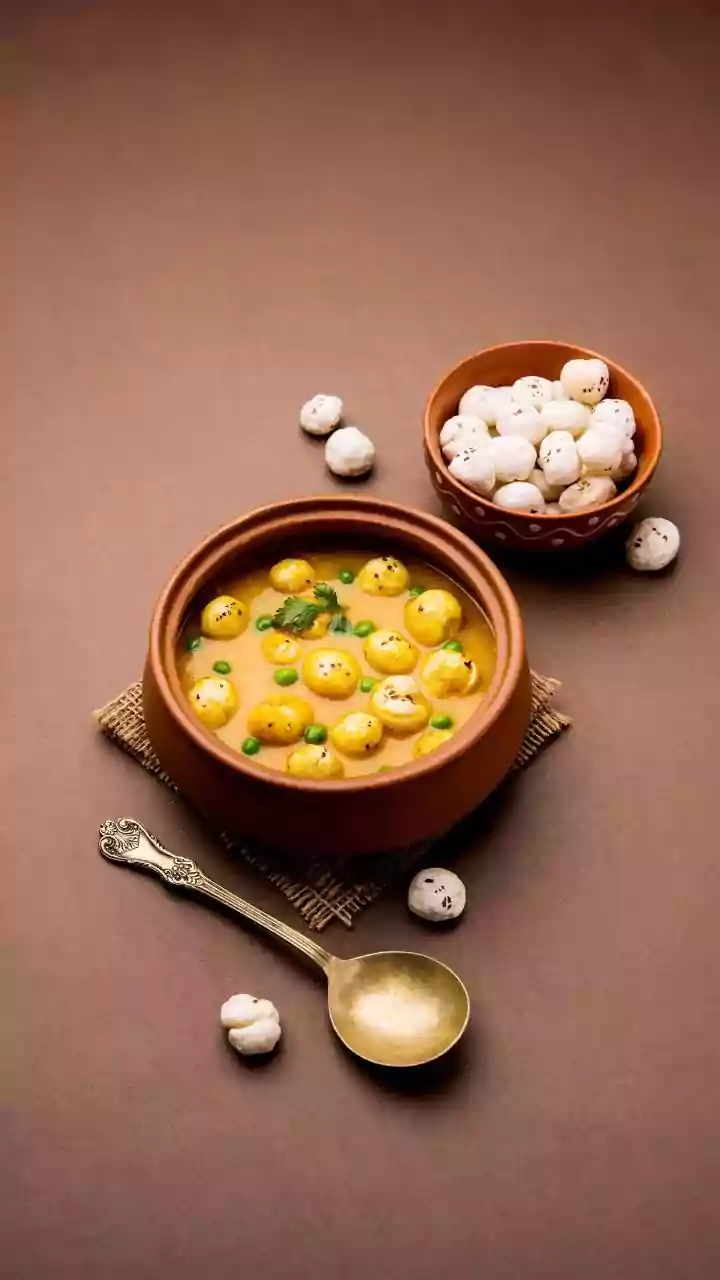
This is where the ‘flex’ comes in. India is not just quietly re-adopting millets; it’s showcasing them with pride on a global stage. The Indian government successfully lobbied the United Nations to declare 2023 the ‘International Year of Millets,’ spearheading a worldwide campaign to promote their benefits. Domestically, high-end restaurants in Mumbai and Delhi are swapping out risotto rice for millet, creating innovative dishes like millet crepes, sorghum bowls, and ragi-based desserts. Celebrity chefs and nutritionists are championing them as the ultimate superfood. What was once a humble grain is now a premium ingredient, appearing on fine-dining menus and in gourmet health-food stores. This transformation from a forgotten staple to a culinary status symbol is a potent form of soft power. It's India showcasing its unique agricultural heritage as a solution to modern problems—a way of saying, ‘We had the answer all along.’