

The Craving You Can Almost Smell
In the Indian subcontinent, the monsoon isn't just a weather pattern; it's a profound cultural and sensory event. After months of oppressive heat, the dramatic arrival of dark clouds and torrential rain brings relief, joy, and a complete shift in the public
mood. And with that shift comes an instinctual desire for specific foods. The cool, damp air seems to demand a counterbalance—something that provides warmth, texture, and a jolt of savory delight. This is the domain of monsoon snacks, a category of food intrinsically linked to the season. It’s a culinary tradition built on the simple, perfect pairing of a cup of hot, sweet chai (tea) and a plate of freshly fried treats, enjoyed while watching the rain fall.
Meet the Crunchy All-Stars
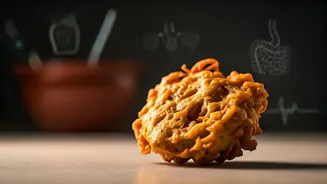
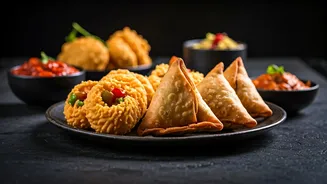
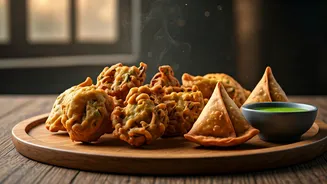
If you’ve eaten at an Indian restaurant in the U.S., you’ve likely met some of the key players. The most famous is the pakora (or bhajiya). These are savory fritters made by dipping vegetables like sliced onions, potatoes, spinach, or cauliflower into a spiced chickpea flour batter and deep-frying them until golden and crisp. They emerge from the hot oil puffy and irregular, with a nutty aroma from the chickpea flour and a tender, steamy interior. Another star is the samosa, a pyramid-shaped pastry stuffed with a spiced mixture of potatoes and peas. When done right, its flaky, blistered crust gives way to a soft, fragrant filling. Then there are variations like kachoris, which are round, flaky pastries with a lentil or onion filling, and vadas, savory lentil doughnuts popular in South India. Each has its own texture and flavor profile, but they all deliver on the core promise: a hot, satisfying, and intensely flavorful crunch.
More Than Food, It's a Ritual
The “chai and pakora” ritual is less about precise recipes and more about the feeling it evokes. It’s an excuse to pause, gather, and connect. It’s the sound of batter sizzling in a pan, competing with the drumming of rain on a tin roof. It’s the steam rising from a cup of masala chai, fragrant with ginger and cardamom. In an office, coworkers might pool money to order a massive platter of mixed pakoras. At home, families gather in the living room or on a covered veranda, passing around a plate while the conversation flows. For many, the taste of a hot pakora is inextricably linked to memories of childhood, family, and the singular comfort of being safe and warm indoors during a downpour. It’s a multi-sensory experience that nourishes the soul as much as the body.
Now, About Those Caveats
Here's the part where we address the other half of the headline. The very thing that makes these snacks so irresistible—being deep-fried to crispy perfection—is also their biggest drawback. This isn’t health food, and nobody pretends it is. These snacks are high in calories and fat, and while chickpea flour offers some protein, they are fundamentally indulgent. Enjoying them every day of the four-month monsoon season isn’t advisable. The caveat here is about moderation. They are special-occasion treats, made special by the occasion of the rain itself. Another practical consideration, especially for those enjoying them from street vendors in India, is hygiene. The best street food stalls are legendary, but it’s wise to choose vendors who are busy (ensuring high turnover) and who fry their snacks in clean, hot oil. For those of us in the U.S., the main caveat is simply recognizing them for what they are: a delicious indulgence, not a daily staple.