





A Quest for Food Security
The early days of the pandemic served as a national wake-up call. Empty grocery store shelves and headlines about strained supply chains created a palpable sense of anxiety around food availability. For many urban dwellers, the idea of having a reliable,
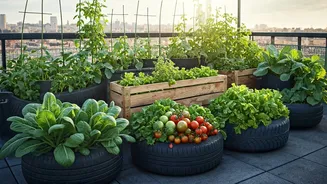
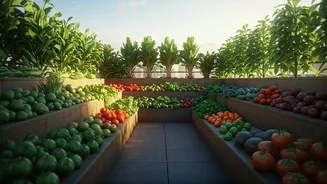
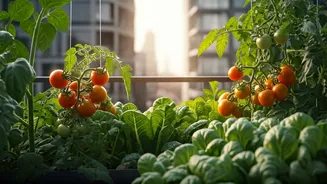
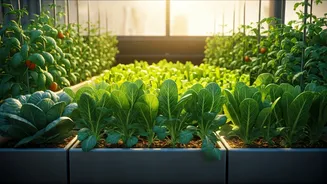
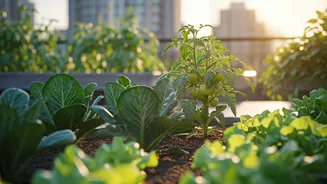
ultra-local food source shifted from a quaint hobby to a practical necessity. A rooftop garden, even a small one, represents a measure of control and self-sufficiency in an uncertain world. Growing your own tomatoes, lettuce, and herbs means having guaranteed access to fresh produce, free from the worries of shipping delays or stock shortages. This desire for resilience is a powerful motivator, turning concrete slabs into productive patches that supplement the kitchen and soothe anxieties about the fragility of our food systems.
The Rise of the Wellness Garden
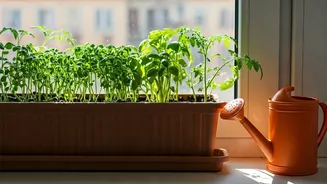
Beyond the practical appeal of fresh vegetables, the mental health benefits of gardening became undeniable during a period of widespread stress and isolation. The act of nurturing a plant from seed to harvest offers a tangible sense of purpose and a connection to the natural world that is often missing in dense urban environments. Psychologists and wellness experts point to the therapeutic effects of horticulture—it reduces cortisol levels, encourages mindfulness, and provides gentle physical activity. For millions who found themselves confined to their homes, a rooftop patch became a sanctuary. It was a quiet space to disconnect from screens, focus on a simple task, and literally watch life grow. This boom in 'wellness gardening' is a direct response to the collective need for mental and emotional restoration.
Reclaiming and Reimagining Urban Space
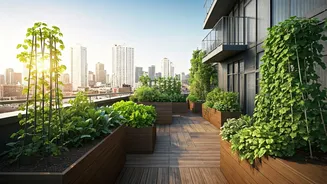
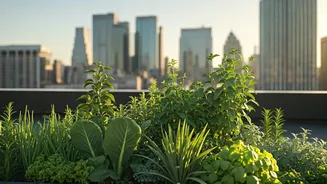
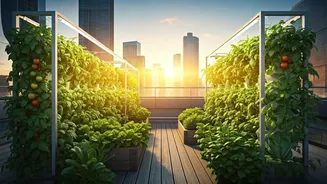
The pandemic forced a fundamental shift in our relationship with our homes and neighborhoods. Suddenly, every square foot mattered. Underutilized spaces like balconies, fire escapes, and especially rooftops were viewed with new potential. What was once a barren, sun-beaten surface became a blank canvas for a green oasis. This movement is about more than just gardening; it's about actively shaping one's environment. Architects and urban planners have noted a surge in demand for amenities that incorporate nature, and rooftop gardens are a prime example. They beautify buildings, help cool them down in the summer (reducing the 'heat island' effect), and provide residents with a valuable shared resource. This reclamation of space is a creative act of defiance against the monotony of concrete and glass.
Building Community From the Soil Up
After prolonged periods of social distancing, Americans emerged with a renewed hunger for community. Rooftop gardens, particularly in multi-unit buildings, have become powerful catalysts for social connection. They are neutral, collaborative spaces where neighbors who might never have otherwise interacted can meet, share tips, and work toward a common goal. These shared gardens foster a sense of collective ownership and pride. Swapping surplus zucchini for a neighbor's basil, helping water plants during a vacation, or simply chatting over a row of carrots helps rebuild the social fabric that frayed during the pandemic. In this way, rooftop gardens aren't just growing food; they are cultivating relationships and strengthening neighborhood bonds, one planter box at a time.
A Local Answer to a Global Problem
The growing awareness of climate change and environmental issues has also fueled the rooftop gardening trend. Producing food on-site drastically cuts down on 'food miles'—the distance food travels from farm to plate—which in turn reduces carbon emissions. It also gives people full control over how their food is grown, encouraging organic and pesticide-free practices. Furthermore, these green roofs can play a role in managing stormwater runoff, a significant issue in many cities. By absorbing rainwater, they ease the burden on municipal sewer systems. For a generation increasingly focused on sustainability and personal impact, the rooftop vegetable patch is a small but meaningful way to contribute to a healthier planet, making it an ethical choice as much as a practical one.