






Understanding the Andaman Monsoon
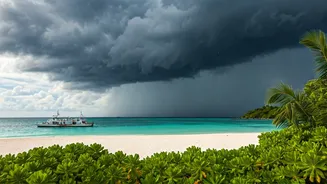
First, let's set the scene. For a U.S. traveler, the concept of a monsoon can be abstract. In the Andaman and Nicobar Islands, a territory of India located in the Bay of Bengal, the monsoon isn't just a little extra rain. It’s a powerful weather season,
typically running from mid-May through September, sometimes lingering into October. This period is characterized by heavy, intense downpours, strong winds, and, most critically for travelers, rough and unpredictable seas. While the islands transform into a spectacularly lush, green paradise with fewer crowds, the weather also dictates the rhythm of daily life and, most importantly, travel between the islands.
The Ferry: Your Island-Hopping Lifeline
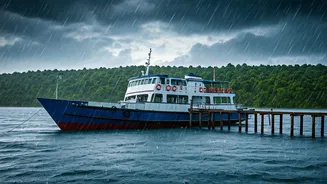
The Andaman archipelago consists of hundreds of islands, but the main tourist trail connects the capital, Port Blair (where the only airport is), with popular destinations like Havelock Island (Swaraj Dweep) and Neil Island (Shaheed Dweep). There are no bridges. The only way to get between these key spots is by sea. A fleet of government-operated and faster, more modern private ferries (like Makruzz, Nautika, and Green Ocean) serve as the primary mode of public transport. On a clear day, the 90-minute to two-hour journey is a scenic, pleasant cruise over turquoise water. During the monsoon, however, this essential link becomes the most significant source of travel uncertainty.
Why the Monsoon Demands Patience
The phrase “ferry patience” isn’t about a slow-moving boat; it’s about whether the boat moves at all. When the weather turns, the Directorate of Shipping Services, the local maritime authority in Port Blair, issues warnings. High winds and rough sea conditions (classified by signal warnings you'll see hoisted at jetties) can lead to the immediate and total cancellation of all ferry services. This isn't a negotiation. For safety reasons, no vessels, public or private, are permitted to sail. A cancellation isn’t a matter of hours; it can last for a day, two days, or even longer, depending on the storm's severity. This is the crux of the issue: if you’re on Havelock Island with a flight leaving Port Blair the next day and all ferries are canceled, you are going to miss your flight. There is no alternative route.
Your Monsoon Travel Playbook
Traveling to the Andamans during the monsoon can still be a magical experience, but it requires a different strategy. It’s not for the traveler with a tightly packed, inflexible itinerary. Here’s how to plan for it: 1. **Build in Buffer Days:** This is the single most important piece of advice. Do not plan to take the ferry from Havelock or Neil to Port Blair on the same day as your flight home. The absolute minimum buffer is one full day. A two-day buffer is much safer. Spend the last two nights of your trip in Port Blair to ensure you’re on the right island for your departure. 2. **Stay Informed, But Expect Uncertainty:** You can monitor weather forecasts, but local conditions can change rapidly. Ferry operators post updates, but often cancellations are announced with little notice. The best approach is to be in touch with your hotel or a local travel agent, who will have the most current information. 3. **Book Flexibly:** When possible, book flights and hotels with flexible cancellation or change policies. Explain your situation to your hotel on Havelock if you get stuck; most are accustomed to this and can be accommodating. 4. **Embrace the Unforeseen:** If you do get stranded for an extra day, treat it as part of the adventure. Use the time to explore a local market, read a book, or simply enjoy the dramatic beauty of a monsoon storm from a dry, safe perch. A frantic attitude won't make the boats run any sooner. 5. **Pack Smart:** Beyond the usual beachwear, bring a reliable rain jacket, a waterproof bag for electronics, and footwear that can handle mud and water. An extra book or downloaded movies are also wise additions for potential downtime.