


Why Damp Fur Is a Problem
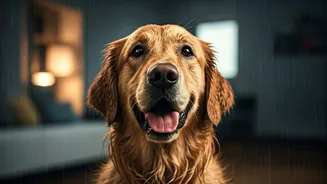
A little rain seems harmless, but for a dog or cat with a dense coat, it’s a recipe for irritation. When fur stays damp for too long, it creates a warm, humid environment right against the skin. This is the perfect breeding ground for bacteria and yeast,
which are naturally present on a pet’s skin but can overgrow and cause trouble when conditions are right. This can lead to a range of uncomfortable issues, from itchy, red patches and unpleasant odors to painful infections commonly known as “hot spots” (acute moist dermatitis). These spots can appear suddenly and spread quickly, causing significant discomfort and distress for your pet.
Your First Defense: A Solid Drying Routine
The single most effective thing you can do after a rainy walk is to dry your pet thoroughly. Don't just give them a quick once-over. Start with a highly absorbent towel, like a microfiber shammy designed for pets, to soak up the bulk of the water. Pay special attention to areas where moisture loves to hide: between the paw pads, under the legs (the “armpits”), around the ears, and along the belly. For dogs with thick double coats, a towel often isn't enough. A pet-safe blow dryer on a low-heat, low-speed setting can be a game-changer. Introduce it slowly and with plenty of treats to make it a positive experience. The goal is to get the fur dry all the way down to the skin.
The Power of a Proactive Diet
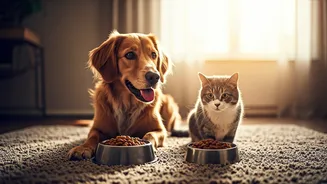
A healthy coat and resilient skin start from the inside. Your pet’s diet plays a crucial role in building a strong skin barrier, which is their natural defense against environmental irritants. Look for foods or supplements rich in omega-3 and omega-6 fatty acids. These essential fats, found in sources like fish oil and flaxseed, help reduce inflammation and support skin health. A strong skin barrier is less prone to irritation and can recover more quickly from minor issues. Some veterinarians also recommend probiotics, which can help support a healthy gut microbiome, an element increasingly linked to overall immune function and skin condition.
Essential Grooming and Skin Checks
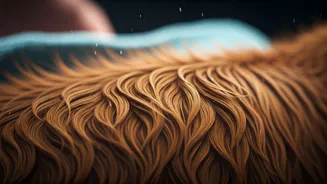
Regular grooming is about more than just looking good; it's a critical health check. Brushing your pet regularly, especially during rainy seasons, helps remove loose fur, dirt, and debris that can trap moisture. It also improves air circulation to the skin. Use this time to perform a quick skin check. Part the fur in several places and look directly at the skin. Be on the lookout for any redness, bumps, flakes, or signs of scratching. Give your pet a good sniff, too—a musty or yeasty odor is a common early warning sign of a burgeoning skin infection. Catching these issues early makes them much easier to manage.
When to Call the Veterinarian
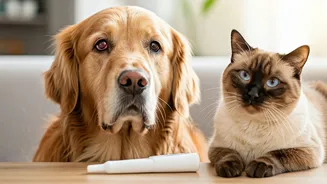
While good home care can prevent many problems, some situations require professional help. You should schedule a visit with your veterinarian if you notice any of the following: persistent scratching or licking at a specific spot; open sores or significant hair loss; a strong, foul odor coming from the skin or ears; or skin issues that don't improve or seem to be spreading despite your best efforts. Your vet can accurately diagnose the cause—be it a bacterial infection, a yeast overgrowth, or an underlying allergy—and prescribe the appropriate treatment, which might include medicated shampoos, topical creams, or oral medications.