





More Than Just Organic
For an American consumer, 'food purity' might conjure images of USDA Organic labels or non-GMO seals. In India, the concept runs deeper and is far more urgent. It’s a direct response to a widespread, long-standing trust deficit in the commercial food supply
chain. The concern isn’t just about pesticides but about 'adulteration'—the illegal and often dangerous practice of mixing cheaper, non-food substances into everyday staples. Stories of milk diluted with detergent, spices bulked up with brick dust, or mustard oil tainted with harmful argemone oil are not distant history; they are recurring headlines that fuel public anxiety. As a result, 'purity' for a growing number of Indian households means transparency and control. It’s about knowing exactly where your food comes from and what has (or hasn't) been done to it. This goes beyond a simple preference for natural products and enters the realm of personal safety and risk mitigation.
Driven by Fear and Aspiration
Two powerful forces are fueling this trend. The first is fear. Decades of inconsistent food regulation and high-profile contamination scandals have left many consumers, particularly in the educated middle and upper classes, deeply skeptical of mass-produced goods. They’ve seen reports, heard family warnings, and decided that the only food they can truly trust is the food they can verify themselves. The second driver is aspiration. As incomes rise and exposure to global wellness trends increases via social media, health has become a new status symbol. Just as in the U.S., clean eating is now linked to a modern, sophisticated lifestyle. For this demographic, investing in pure food is no different than buying a high-end smartphone or a gym membership—it’s an investment in a better, more controlled life for their family. This combination of pragmatic fear and modern aspiration has created a fervent market for anything that promises authenticity.
The New Kitchen Habits
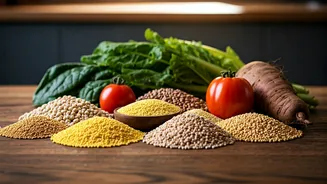
This quest for purity is visibly changing household routines. A classic example is the resurgence of the domestic flour mill, or 'chakki.' Instead of buying pre-packaged flour, families are purchasing whole grains and milling them at home, ensuring their daily bread (roti or chapati) is free from unknown additives. It’s a return to a more traditional practice, now powered by sleek, modern appliances. Beyond home-milling, a booming ecosystem of services has emerged to meet this demand. Subscription boxes delivering curated, 'farm-fresh' vegetables with verifiable sourcing are wildly popular in cities like Mumbai, Delhi, and Bangalore. A wave of direct-to-consumer (D2C) brands has built entire businesses on the promise of purity, offering everything from single-origin spices to cold-pressed oils and unadulterated honey. These brands succeed by telling a story of transparency, often using QR codes to trace a product's journey from the farm to the pantry.
A Sign of a Changing India
This food purity movement is more than a culinary trend; it's a telling indicator of the evolution of India's consumer class. It signals a shift from a price-sensitive mindset to one that prioritizes value, safety, and wellness. Consumers with disposable income are increasingly willing to pay a significant premium not for a brand name, but for the assurance of trust. For global observers, this is a fascinating parallel to the organic and farm-to-table movements in the West, but with uniquely Indian drivers. It highlights a market where the fundamentals—like safe, unadulterated food—cannot be taken for granted, creating opportunities for businesses that can deliver on that simple, powerful promise. It reflects a society that is becoming more health-conscious, more discerning, and more empowered to demand better.