






An Old Hero's Aches and Pains
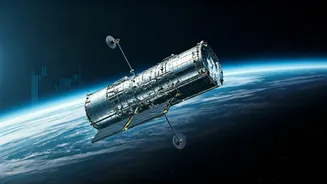
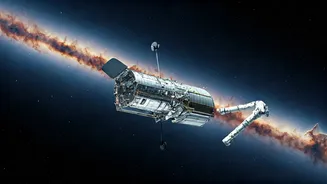
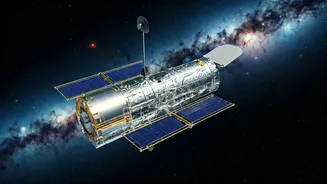
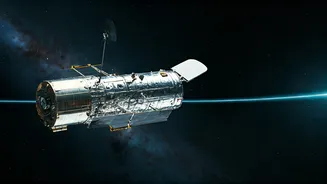
Like any veteran performer, the 34-year-old Hubble is showing its age. Its most pressing issue lies with its gyroscopes—spinning devices that allow the telescope to point with incredible precision. Of the six gyros installed during the last servicing
mission in 2009, only two remain fully functional. In late May 2024, another failure forced NASA to place Hubble into a more limited 'one-gyro' mode. While it can still perform science this way, it's less efficient and can't pivot as quickly to new targets. Compounding this is orbital decay. Hubble has no onboard propulsion. Atmospheric drag is slowly pulling it closer to Earth, and without a boost, it will eventually re-enter the atmosphere and burn up, likely sometime in the next decade. Its legendary career is on a countdown timer.
Enter the Private Sector Cavalry
The 'lifeline' in the headline isn't a traditional, government-funded NASA mission. The Space Shuttle, which made Hubble servicing missions possible, was retired in 2011. Instead, the potential rescue comes from the private sector. Billionaire Jared Isaacman, who commanded the first all-civilian spaceflight, has proposed using a SpaceX Dragon capsule for the job. Under his Polaris Program, a commercial crew would fly to Hubble to perform two critical tasks. First, they would attempt to service the telescope, potentially installing new hardware or fixing the faulty gyros. Second, and perhaps more importantly, they would 're-boost' Hubble into a higher, more stable orbit, effectively resetting its orbital clock and adding years, or even decades, to its operational life.
A New Model for Space Rescue
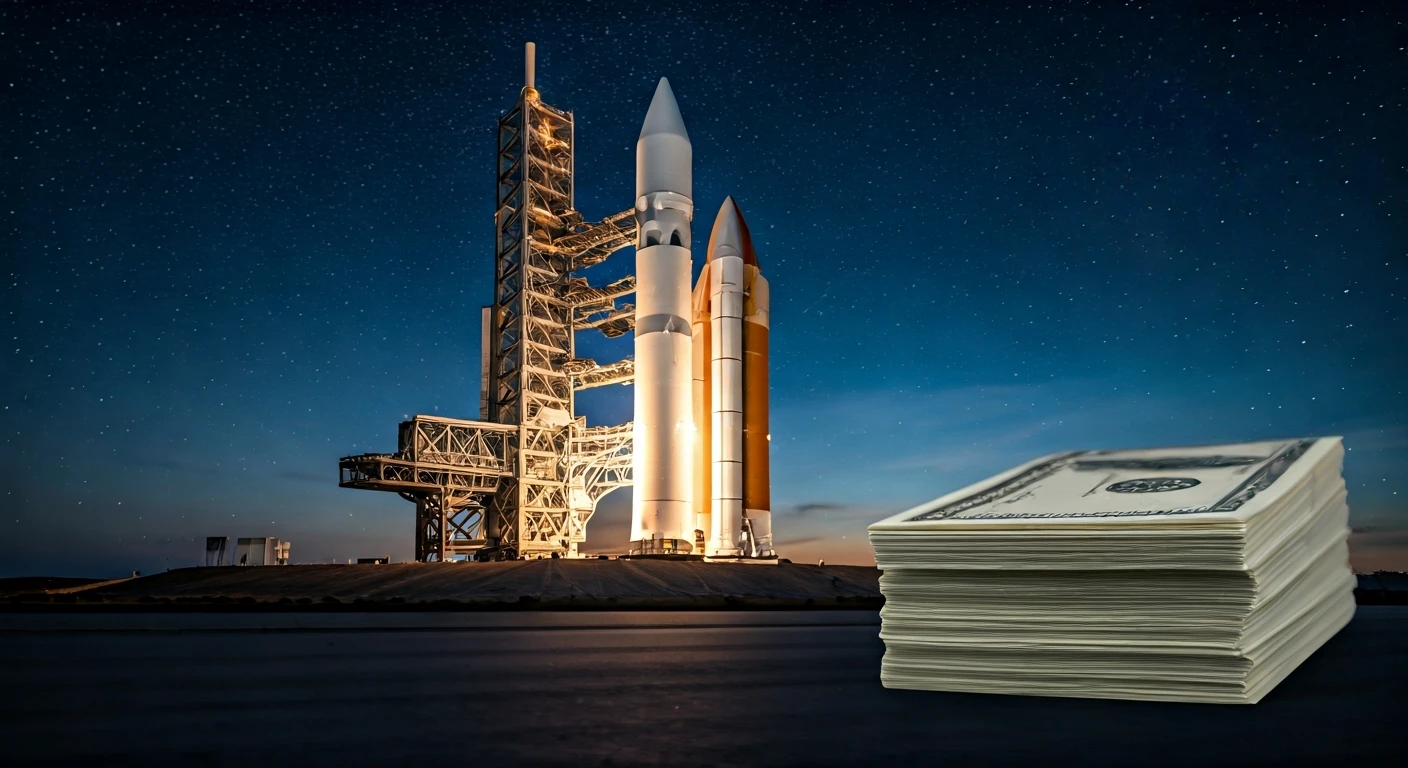
This proposal is more than just a repair job; it represents a paradigm shift for NASA. In the past, servicing a flagship observatory was a monumental national effort, costing billions and requiring the unique capabilities of the Space Shuttle. A privately funded mission would be a fraction of the cost, making it a 'budget-saving' lifeline. NASA and SpaceX signed a Space Act Agreement back in 2022 to study the feasibility of such a mission, at no cost to the U.S. government. If it moves forward, it would be the first time a commercial crew has rendezvoused with and serviced a satellite not designed to be visited by their vehicle. It would prove that public-private partnerships can extend the life of critical scientific assets in a way that was previously unimaginable.
High Risk, Cosmic Reward
No one is pretending this would be easy. The Hubble telescope was designed to be serviced by astronauts from the Space Shuttle's payload bay, not to be docked with by a SpaceX Dragon capsule. Developing a capture mechanism and procedures for spacewalks around the delicate, priceless telescope would be a massive engineering challenge. A mistake could damage Hubble beyond repair, prematurely ending its mission. However, the potential reward is immense. A successful servicing and re-boost could ensure Hubble continues to work alongside its successor, the James Webb Space Telescope, providing a powerful combination of infrared and visible-light observations. It would not only preserve a scientific icon but also pioneer a new, more sustainable model for maintaining our presence in orbit.