


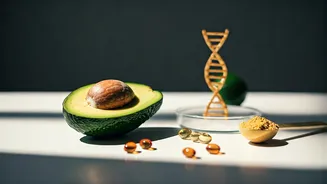

So, What Is 'Hormone-Smart Eating'?
At its core, hormone-smart eating, sometimes called the 'hormone diet,' is an approach that aims to use food to balance key hormones in the body. Proponents claim that by choosing specific foods and eating patterns, you can regulate hormones tied to metabolism,
stress, and reproductive health. The goal is to reduce symptoms often blamed on hormonal imbalances, like fatigue, acne, weight gain, and mood swings. While the name is new and trendy, the central idea—that what you eat profoundly affects your body's chemical messengers—is a long-established scientific fact. The trend simply packages this concept with a catchy, actionable title.
The Key Hormones in Question
While our bodies produce over 50 different hormones, this trend typically focuses on a few key players. The first is insulin, the hormone that manages blood sugar. Unstable blood sugar can lead to energy crashes and cravings. Next is cortisol, our primary stress hormone. Chronic high cortisol is linked to weight gain (especially around the midsection), fatigue, and inflammation. Finally, sex hormones like estrogen and progesterone are a major focus, particularly for women. The idea is that dietary choices can help manage symptoms related to the menstrual cycle, perimenopause, and other conditions like Polycystic Ovary Syndrome (PCOS).
The Most Evidence-Based Principle: Blood Sugar
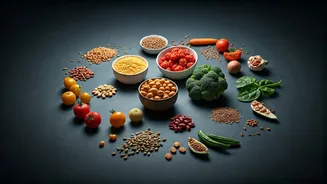
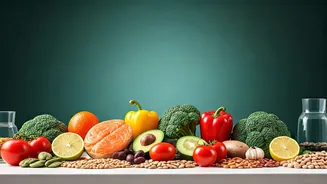
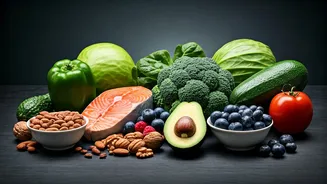
The strongest and most scientifically supported part of hormone-smart eating is its focus on blood sugar balance. This isn't a new concept—it's foundational nutrition. To keep insulin and blood sugar stable, the advice is simple and effective: build each meal around protein, healthy fats, and fiber. Protein and fat slow down digestion, preventing the sharp blood sugar spikes caused by refined carbohydrates and sugar alone. Fiber, found in vegetables, fruits, and whole grains, also helps regulate glucose absorption. This approach provides sustained energy, reduces cravings, and supports a healthy metabolic system. In essence, this part of the 'trend' is just a rebrand of what dietitians have recommended for decades.
What About 'Cycle Syncing' and Other Trends?
This is where things get more speculative. One popular offshoot of hormone-smart eating is 'cycle syncing,' which involves eating specific foods (like certain seeds or vegetables) during different phases of the menstrual cycle to support fluctuating estrogen and progesterone levels. For example, some recommend flax and pumpkin seeds during the follicular phase and sesame and sunflower seeds during the luteal phase. While the foods themselves are healthy, the direct, predictable impact of this specific rotation on hormone levels is not yet supported by robust scientific research. Many doctors and dietitians view it as a low-risk practice that may help people become more mindful of their bodies, but they caution against expecting it to be a magic bullet for hormonal issues.
The Verdict: Is It Worth The Hype?
Hormone-smart eating isn't a revolutionary diet; it's a rebranding of solid nutritional principles with a dash of wellness-industry sparkle. Focusing on whole foods, balancing macronutrients to manage blood sugar, eating plenty of fiber-rich vegetables, and getting enough healthy fats is fantastic advice for anyone, regardless of their hormonal status. These practices have been proven to support overall health, which naturally includes the endocrine system. The 'hormone-smart' label can be a helpful gateway for people to learn about the connection between their diet and how they feel. However, it's crucial to be wary of promises that seem too good to be true or products that claim to 'fix' your hormones overnight.