




A Kingdom of Forts and Fauna
For American travelers with a taste for the epic, Ranthambore National Park isn't just another wildlife sanctuary—it’s a living chapter from a history book. Located in Rajasthan, the land of kings, this sprawling expanse of arid forest and glassy lakes
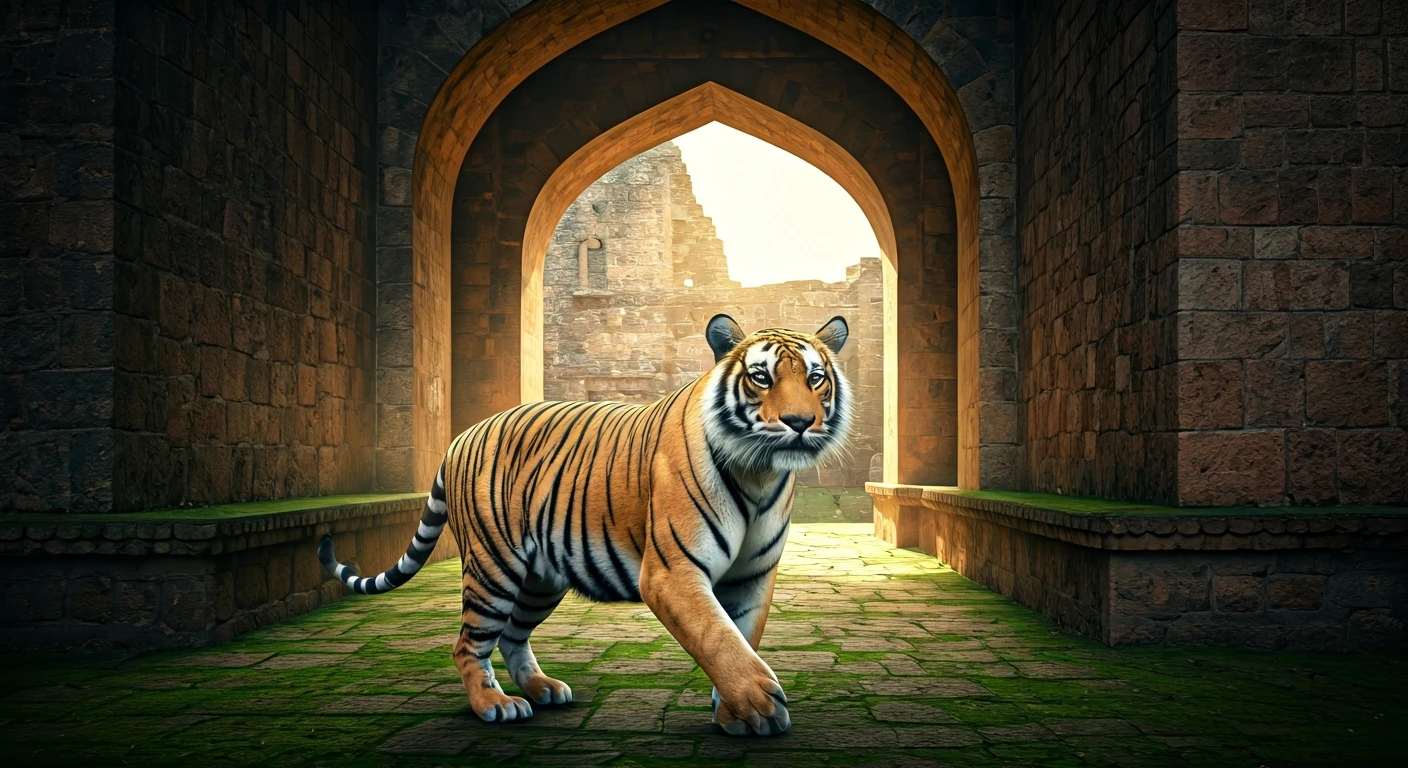
was once the private hunting ground of maharajas. The park’s dramatic centerpiece is the 10th-century Ranthambore Fort, a UNESCO World Heritage Site whose weathered battlements loom over the landscape. Monkeys clamber over ancient temple ruins, and crocodiles laze in sun-drenched pools below. Unlike the vast, open plains of an African safari, Ranthambore offers a uniquely Indian experience: a search for wildlife unfolding within a backdrop of deep history and crumbling grandeur. This blend of untamed nature and ancient civilization is precisely what elevates it from a simple safari to a profound adventure.
In the Realm of the Bengal Tiger
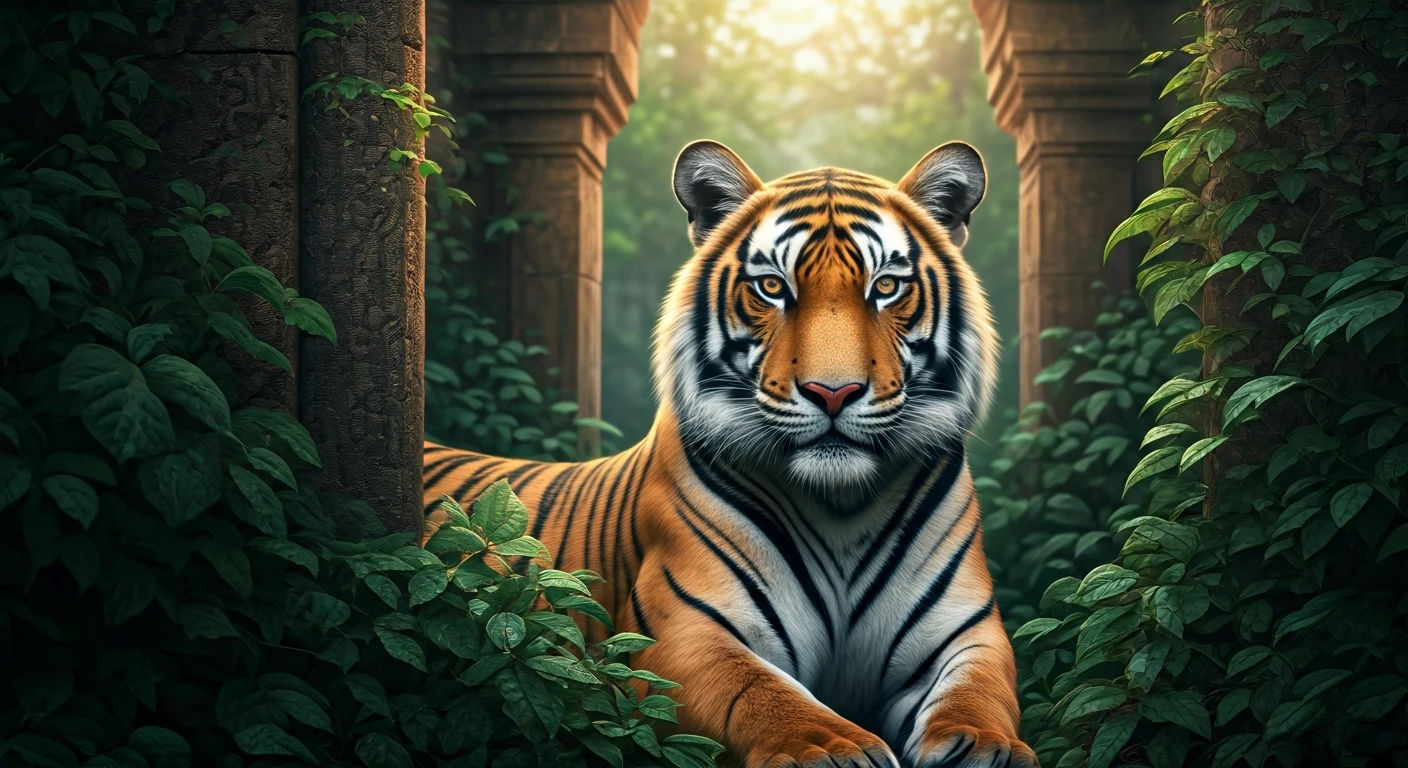
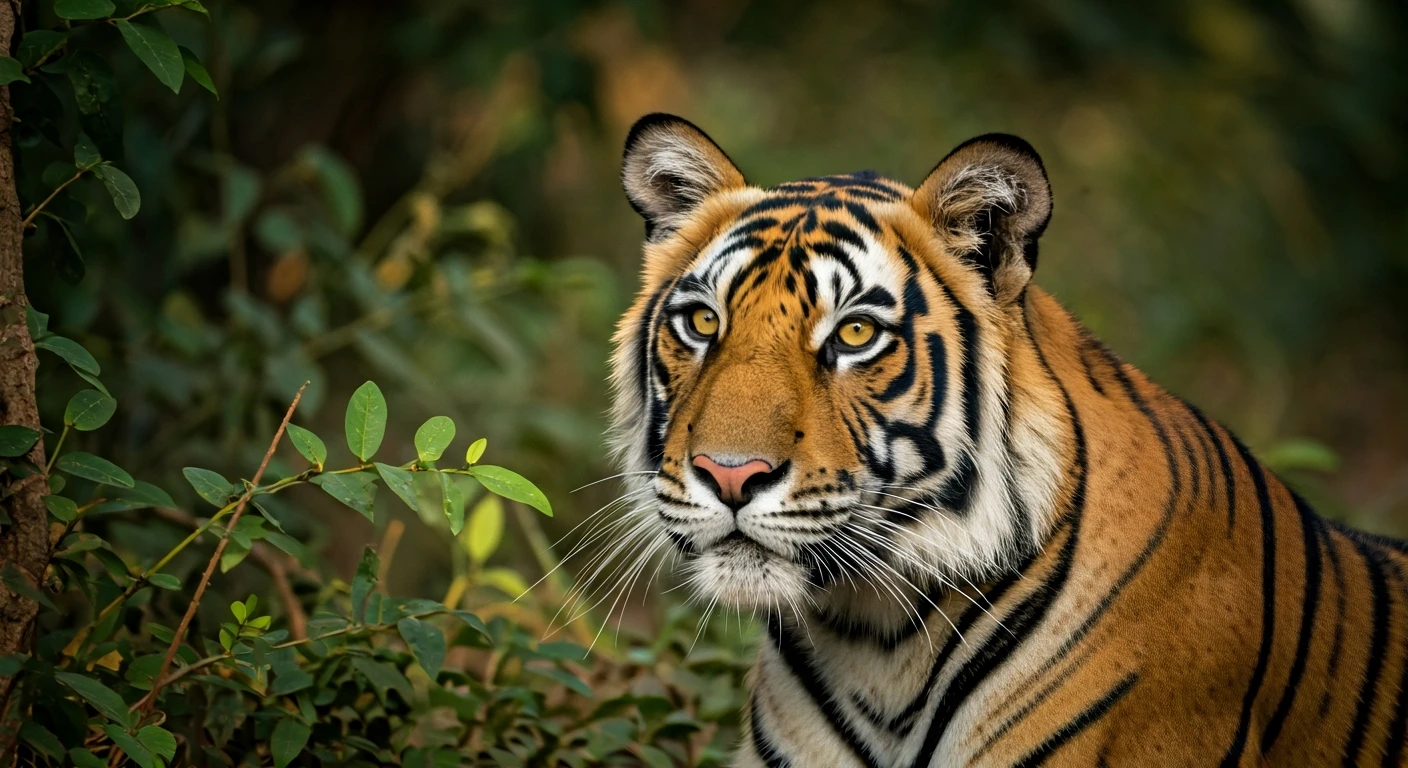
Let’s be honest: you come to Ranthambore for the tigers. Thanks to decades of conservation efforts under India’s Project Tiger, the park has become one of the most reliable places on the planet to see these magnificent predators in their natural habitat. Ranthambore’s tigers are famously bold. Having grown accustomed to the presence of safari vehicles, they often walk languidly along the tracks, quench their thirst at waterholes in full view, and raise their cubs with a surprising indifference to their human admirers. The park’s relatively compact core zones and excellent network of tracks increase the odds of a sighting. Guides and trackers are masters of their craft, interpreting alarm calls from deer and monkeys—the “jungle telegraph”—to pinpoint a tiger’s location. Seeing a 500-pound striped cat emerge from the brush isn't just a photo opportunity; it's a visceral, heart-pounding encounter that stays with you forever.
The Art of the Safari
The safari experience here is a thrilling pursuit. Twice a day, at dawn and dusk, a fleet of open-topped jeeps (called Gypsys) and larger canters venture into the park’s ten designated zones. Each zone offers a different landscape, from dense dhok forest to rocky plateaus and serene lakes. The allocation is a lottery, adding an element of chance to every drive. Your guide, often a local with an encyclopedic knowledge of the park’s inhabitants, becomes your key to unlocking its secrets. They’ll point out fresh pugmarks in the dust, explain the behavior of a sambar deer, and slam on the brakes at the faintest hint of a warning call. The shared goal creates a palpable camaraderie in the vehicle—a collective hunt not for a trophy, but for a moment of pure, unadulterated awe.
Why the World Is Watching Again
So why the sudden resurgence on travel bucket lists? After years of pandemic-induced dormancy, a perfect storm of factors has put Ranthambore back in the spotlight. First, a global hunger for meaningful, nature-based travel has travelers seeking more than just a beach. Second, a boom in high-end, eco-conscious lodges around the park has redefined the safari experience. Camps like SUJÁN Sher Bagh and The Oberoi Vanyavilas offer a level of luxury—think canvas tents with four-poster beds and private butlers—that rivals the finest African bush camps, making the wild accessible without sacrificing comfort. Finally, social media has turned every visitor with a smartphone into a wildlife documentarian. Viral images of tigers against the backdrop of the ancient fort have created an irresistible visual narrative, fueling a new wave of desire for this iconic Indian adventure.