



Why Summer Sets You Up For Success
If the idea of gardening conjures images of complex soil charts and delicate seedlings, it’s time for a new perspective. Summer is nature’s cheat code for new gardeners. The season does half the work for you. The soil is warm, which encourages seeds to
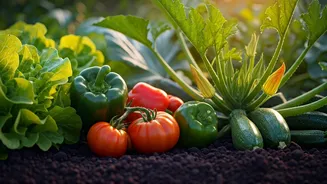
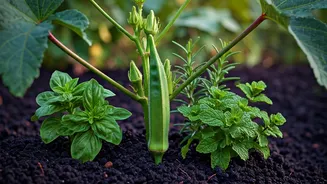
germinate quickly and roots to establish themselves without the shock of a spring chill. The days are long and filled with powerful sunlight, providing the abundant energy most vegetable plants crave to produce fruit. Unlike the finicky conditions of early spring or the winding-down days of fall, summer offers a robust and forgiving environment. A little benign neglect that might doom a spring pea crop is often shrugged off by a hardy summer zucchini plant. This combination of warmth, light, and resilient plant varieties creates a perfect, low-stakes laboratory for learning the basics.
The Only Two Rules That Matter
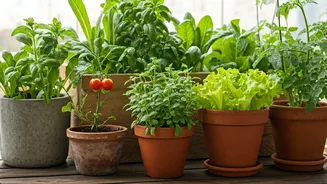
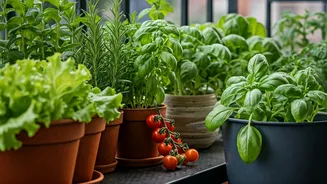
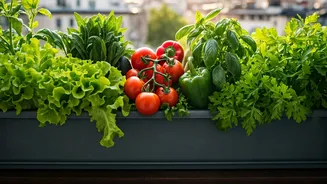
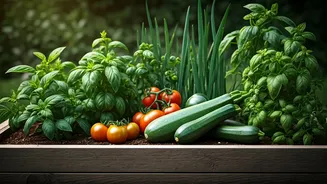
To get started, you don’t need a library of gardening books. You just need to focus on two non-negotiable elements: sun and soil. First, find your light. Most summer vegetables are sun worshippers and need at least 6-8 hours of direct sunlight per day. Spend a day observing your yard, patio, or balcony to find the spot that gets the most consistent sun. This is where your garden will live. Second, invest in good soil. If you’re planting in the ground, amend your existing soil by mixing in a few bags of compost to add nutrients and improve drainage. For beginners, container gardening is even easier. A large pot, a window box, or a fabric grow bag filled with high-quality potting mix is a perfect, self-contained ecosystem. Potting mix is engineered to hold moisture while resisting compaction, giving your plants’ roots an ideal place to thrive without you having to worry about soil science.
Your Can't-Miss Summer Starter Pack
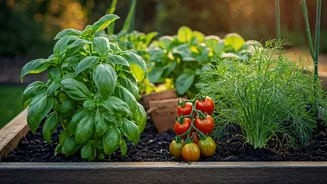
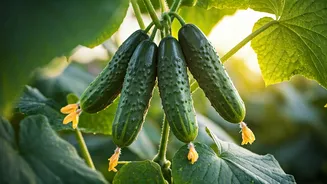
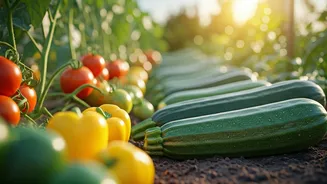
The key to a successful first garden is choosing plants that want to grow. Start with these foolproof options: * **Zucchini & Summer Squash:** Famously productive, these plants practically grow while you watch. One or two plants are often enough to feed a family (and their neighbors). Just give them plenty of space to sprawl and watch them explode with produce. * **Bush Beans:** Unlike pole beans that require trellises, bush beans grow into compact, manageable plants that produce prolifically. They grow fast, and harvesting them is a simple, satisfying task. * **Cherry Tomatoes:** While large heirloom tomatoes can be fussy, cherry tomatoes are their easygoing cousins. They are more disease-resistant, ripen faster, and produce hundreds of sweet, snackable fruits on a single plant. Look for a patio or determinate variety for containers. * **Herbs (Basil, Mint, Rosemary):** If you can keep a houseplant alive, you can grow herbs. Basil is the quintessential summer herb and pairs perfectly with tomatoes. Plant mint in a separate pot (it spreads aggressively!), and enjoy it in drinks all summer. Rosemary is a tough, drought-tolerant plant that adds flavor to countless dishes.
Simple Habits for a Healthy Harvest
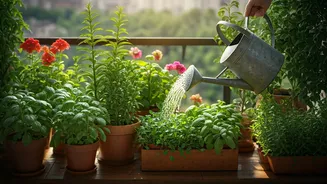
Once your plants are in the ground or in their pots, your job is mostly about observation and watering. The number one mistake beginners make is inconsistent watering. The best method is the finger test: stick your index finger about an inch into the soil. If it comes out dry, it’s time to water. If it’s damp, wait another day. Water deeply at the base of the plant in the morning, which helps prevent evaporation and fungal issues. As for pests, don’t panic when you see a bug. Many are harmless or even beneficial. A strong spray of water from a hose can dislodge most common pests like aphids. The goal isn’t a sterile, perfect environment; it’s a reasonably healthy one. A few munched leaves are a sign that you’re part of a living ecosystem.