





The Backlash to 'Perfect' Vacations
For decades, the classic American vacation followed a script: a specific week in July, a packed beach, a famous monument mobbed with thousands of other people all trying to capture the exact same photo. This peak-season pressure created a sense of obligation—a
feeling that you weren't doing it right unless you were there when everyone else was. But now, a collective travel burnout is setting in. Travelers are tired of the long lines, the inflated prices, and the feeling of being just another face in a sea of tourists. The endless pursuit of a flawless, Instagram-ready trip has left many feeling like they missed the actual experience. This exhaustion is driving a fundamental shift in how we think about travel, pushing us to find value not in the crowds, but in their absence.
Defining 'Off-Season Energy'
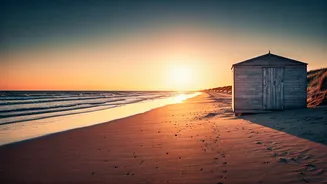
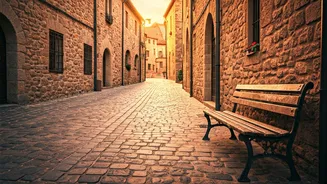
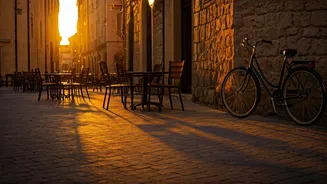
So what, exactly, is 'off-season energy'? It’s more than just cheaper flights and shorter lines at the museum, though those are definite perks. It’s the palpable shift in a destination's atmosphere when it’s no longer performing for a massive tourist audience. It’s the quiet hum of local life reclaiming the streets. Think of a Parisian café in February, where you’re surrounded by locals on their lunch break instead of tour groups. Picture a New England coastal town in October, its crisp, salty air and moody skies offering a more profound sense of place than the summer crowds ever could. This energy is about seeing a destination in its natural state, allowing for spontaneous discovery and genuine connection. It trades the frantic pace of 'doing it all' for the calmer, more rewarding pace of simply 'being there.'
Tuning Into Local Rhythms
One of the greatest rewards of off-season travel is the chance to sync up with the local rhythm. When the summer hordes depart, the city or town exhales. The shopkeeper has more time to chat, the waiter isn't rushing you out the door, and the person sitting next to you at the bar is more likely to live down the street than in another time zone. This environment fosters authentic interactions that are nearly impossible during peak season. You might get an impromptu recommendation for a tiny, family-run restaurant or learn about a neighborhood festival that isn't in any guidebook. By traveling during the shoulder or off-season, you stop being just a consumer of a place and become a temporary participant in its daily life. The trip becomes less of a transaction and more of an immersion.
Embracing a Slower, Mindful Pace
The pressure to maximize every second of a vacation can be exhausting. Off-season travel is the perfect antidote. With fewer 'must-do' items dictated by crowd dynamics and ticket availability, your itinerary can become more fluid and relaxed. You have the breathing room to be spontaneous. Maybe you spend three hours in a single museum gallery instead of rushing through five. Perhaps you scrap your afternoon plans to simply sit by a lake and read. This slower pace isn't about being lazy; it's about being mindful. It allows you to absorb the details you’d otherwise miss—the architectural quirks of a side street, the smell of a local bakery, the changing light of a late afternoon. This is the difference between seeing a place and truly experiencing it.
Finding Unexpected Beauty
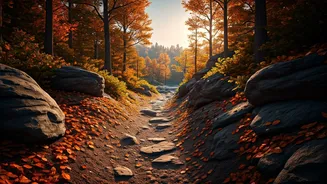
We've been conditioned to believe that destinations have one ideal season. But traveling off-peak reveals a whole new spectrum of beauty. A national park might be more majestic under a blanket of autumn fog than under the harsh summer sun. A Greek island in April, covered in wildflowers and free of beach club crowds, offers a different kind of paradise. These unconventional seasons provide a more intimate and often more dramatic experience. They challenge our preconceptions and reward us with unique memories—the kind that don't look like everyone else's vacation photos. By stepping outside the prescribed travel window, you open yourself up to seeing the world in a new light, finding beauty not just in spite of the season, but because of it.