




1. The A-Frame, Reimagined for Today
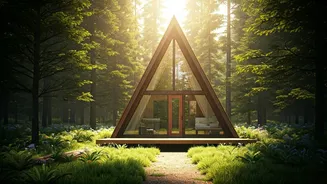
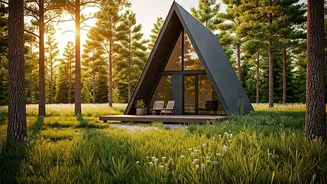
The trend you’re seeing isn't just any log cabin; it's the A-frame, reborn. Characterized by its dramatic, steeply angled roof that often stretches all the way to the ground, the A-frame is an architectural icon. But today’s version isn't the rustic,
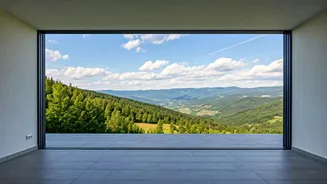
slightly cramped model of the past. The modern iteration is all about expansive glass walls, light-filled interiors, and a seamless connection to the outdoors. Designers are replacing solid walls with massive windows, turning the entire structure into a viewing platform for nature. It's less about hunkering down and more about soaking in the environment from a cozy, stylish perch.
2. Nostalgia for Mid-Century Escapism
The A-frame’s first wave of popularity hit in post-war America, from the 1950s to the 1970s. As the highway system expanded and a newly prosperous middle class sought affordable vacation homes, the A-frame became a symbol of democratic leisure. Architects like Andrew Geller designed whimsical, eye-catching structures, and companies sold DIY kits that made building a second home an achievable dream. Today’s resurgence taps into that same spirit of optimistic escapism. The A-frame’s simple geometry feels nostalgic and reassuring—a throwback to a time when getting away from it all seemed a little more straightforward.
3. The Ultimate Instagram & Airbnb Bait
No architectural style is better suited for the visual economy of social media. The A-frame’s striking, symmetrical silhouette makes for an instantly recognizable and highly “likable” photo. This has created a powerful feedback loop on platforms like Instagram and Pinterest. Influencers and travelers post stunning images of their A-frame stays, which drives demand on rental sites like Airbnb and Vrbo. In turn, more investors and homeowners are building or renovating A-frames specifically because they are so marketable. The structure has become visual shorthand for the perfect, curated getaway, making it a star performer in the vacation rental market.
4. A Philosophy of Cozy Minimalism
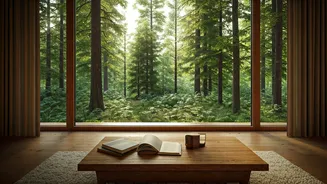
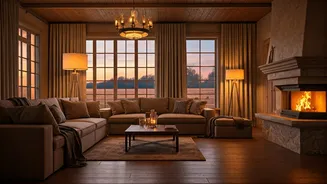
Inside the modern A-frame, the aesthetic is just as important as the architecture. The sloped walls naturally create intimate, nook-like spaces that lend themselves to the Danish concept of *hygge*—a feeling of cozy contentment. But unlike cluttered, rustic cabins of old, today's A-frames embrace a clean, minimalist interior. Think uncluttered spaces, natural materials like light wood and stone, neutral color palettes, and a few carefully chosen textiles like a sheepskin rug or a wool blanket. It’s a design philosophy that says you don’t need a lot of stuff to be comfortable; you just need the right things in a space that lets you breathe.
5. It’s a Symbol, Not Just a Shelter
Ultimately, the A-frame’s power lies in what it represents. In a world of overwhelming complexity, its form is elemental and pure: a simple triangle. It evokes the most basic idea of shelter, like a tent or a primitive hut, but elevates it with modern design and comfort. Staying in an A-frame feels like an intentional act—a decision to retreat into a space that is both protective and open, minimalist yet luxurious. It’s more than just a place to sleep in the woods; it’s an experience designed to quiet the noise of daily life and reconnect you with something more fundamental.