


The New Holiday Spice Cabinet
For generations, the American holiday dessert landscape has been dominated by a familiar cast of characters: cinnamon, nutmeg, ginger, and clove. But across the country, in professional bakeries and home kitchens alike, a culinary revolution is taking
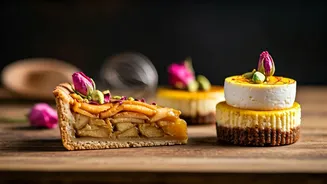
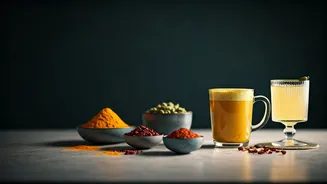
place. Chefs and bakers, particularly from the South Asian diaspora, are infusing classic American sweets with the flavors of their heritage. This isn't about replacing the apple pie; it's about adding a Gulab Jamun Cheesecake to the menu right beside it. The term “Desi” refers to the people and cultures of the Indian subcontinent. The flavor profiles at the heart of this trend are bold and aromatic. Think cardamom, the queen of spices, lending its floral, peppery warmth to everything from cookies to custards. Imagine delicate, fragrant rosewater transforming a simple buttercream, or golden threads of saffron giving a familiar cake a luxurious, earthy depth. These aren't just ingredient swaps; they are thoughtful integrations that create something entirely new and exciting.
Case Study: The Cheesecake Reinvented
Perhaps no dessert better exemplifies this trend than the Gulab Jamun Cheesecake. It’s a dish that sounds wonderfully impossible until you taste it. Let’s break it down. A classic, creamy New York-style cheesecake forms the base. But instead of a graham cracker crust, you might find a base made from crushed pistachios or Parle-G biscuits. The real magic happens inside, where the rich, tangy cheesecake is studded with gulab jamuns—soft, fried dough balls soaked in a fragrant sugar syrup. Each bite is a textural and flavorful masterpiece. You get the cool creaminess of the cheesecake, then a burst of warm, syrupy sweetness from the gulab jamun. The combination is a showstopper, a perfect fusion of a beloved American classic and an iconic Indian sweet. A similar phenomenon is happening with Ras Malai Tres Leches cake, where a light sponge cake is soaked not just in three milks, but in the cardamom-and-saffron-infused milk from ras malai, a dessert of cheese curds in sweetened milk.
From Cookies to Ice Cream
The creativity doesn't stop at cakes. The humble cookie jar is also getting a Desi makeover. Chai-spiced snickerdoodles have become a modern classic, incorporating the masala blend of black tea, ginger, cardamom, and cloves into the cinnamon-sugar coating. You’ll find shortbread infused with saffron and pistachio, chocolate chip cookies with a hint of cardamom, and French macarons flavored with mango lassi or paan (betel leaf). Even frozen desserts are part of the movement. Artisanal ice cream shops like Malai in Brooklyn have built a brand around these flavors, with scoops like Rose with Cinnamon Roasted Almonds and Sweet Milk. Founder Pooja Bavishi taps into the nostalgia of these scents and tastes, transforming them into a frozen treat that feels both novel and deeply familiar to a generation of South Asian Americans.
More Than a Trend, It's an Identity
This playful wave of dessert fusion is more than just a passing foodie fad. For many second- and third-generation South Asian Americans, it’s a delicious expression of a dual identity. It’s the flavor of growing up with parents who made traditional mithai (sweets) for Diwali, while also celebrating birthdays with a classic American chocolate cake. These desserts are a culinary reflection of their lived experience—unapologetically American and unapologetically Desi, all at once. These creations aren't about “elevating” one cuisine with another. Instead, they represent a confident and joyful conversation between cultures. They are made by and for people who can appreciate the delicate crumb of a perfect madeleine and the syrup-soaked perfection of a jalebi. It’s a sign that the cultural melting pot is, quite literally, simmering in the kitchen, producing results that are sweeter and more interesting than ever before.