



Prune for Wind, Not for Looks
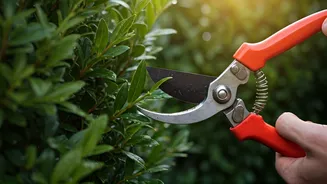
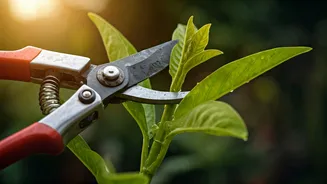
The powerful winds of a monsoon storm can turn a dense, leafy tree into a giant sail, risking snapped branches or even complete uprooting. Your first task in early June is strategic pruning. This isn't about shaping your trees for aesthetics; it's about reducing
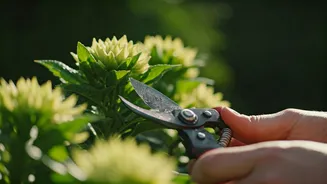
wind resistance. Focus on thinning the canopy, removing about 10-20% of the interior branches to allow wind to pass through rather than push against the tree. Pay special attention to native but brittle trees like mesquites and palo verdes. Also, identify and remove any dead, damaged, or weakly attached branches—they are the first to become dangerous projectiles in a storm. Avoid “lion-tailing,” which involves stripping all the interior branches and leaving foliage only at the tips. This creates weak points and makes the tree more susceptible to damage.
Audit Your Irrigation System
Summer heat means your irrigation is likely running regularly, but monsoon season brings torrential downpours. An irrigation system that isn't prepared for this shift can lead to waterlogged soil and root rot, one of the biggest post-monsoon plant killers. Before the rains start, inspect your entire system. Look for leaks, broken emitters, and clogged lines. Most importantly, install or check the function of your rain sensor. This small device automatically shuts off your irrigation system when it detects sufficient rainfall, saving water and protecting your plants from being overwatered. If you don’t have a sensor, get comfortable with the manual “off” switch on your controller and be diligent about turning it off before and after a storm.
Stake Young and Vulnerable Trees
Newly planted or top-heavy trees are especially vulnerable to monsoon winds. If you have young trees with trunks less than a few inches in diameter, providing support is crucial. However, staking must be done correctly to avoid doing more harm than good. Use two or three stakes placed outside the root ball, and attach them to the trunk with soft, flexible material like commercial tree-staking straps or wide strips of burlap. Never use bare wire, which will cut into the bark. The ties should be firm but allow the tree a bit of movement, which helps it develop stronger trunk caliper. Remember to remove the stakes after one year or once the tree is firmly established, as leaving them on too long can weaken the trunk.
Refresh Your Mulch Layer
Mulch is a desert gardener's best friend, and its benefits are amplified during monsoon season. A healthy 2-to-4-inch layer of organic mulch (like wood chips or shredded bark) performs several key jobs. First, it helps the soil absorb heavy rainfall more slowly, reducing runoff and erosion. Second, it insulates the soil, protecting roots from the extreme temperature swings common during this season. Finally, as it decomposes, it adds vital organic matter to the soil. Before the storms, check your mulch depth and replenish where it has thinned out. Pull mulch a few inches away from the base of tree trunks and plant stems to prevent rot.
Assess Your Landscape's Drainage
Take a walk around your yard and think like a raindrop. Where will the water go during a downpour? Poor drainage can lead to water pooling around plant roots or, even worse, against your home's foundation. Early June is the perfect time to clear out drainage ditches, swales, and any natural watercourses on your property. Remove weeds, debris, and accumulated silt that could obstruct water flow. If you've had pooling issues in the past, consider creating subtle swales or dry creek beds to channel excess water away from sensitive areas and toward thirstier, more water-tolerant plants. This practice, a key part of water harvesting, turns a potential problem into a valuable resource.
Relocate Potted Plants and Décor
Finally, don't forget the most mobile parts of your landscape. Potted plants, especially those in lightweight plastic containers, can easily be knocked over, damaged, or blown away. The same goes for hanging baskets, wind chimes, and other garden décor. Identify a sheltered location—such as a covered patio, a carport, or against the side of the house—where you can quickly move these items when a storm is forecast. A little bit of effort here can save your favorite container plants from being shredded by wind and hail. It also prevents your garden pots from becoming hazards themselves.