
A Craving for Comfort
At its heart, the revival of traditional food is a search for comfort. In an era marked by digital overload, economic anxiety, and global uncertainty, there’s a profound psychological pull toward the familiar and the reliable. A beef stew that simmered
on your grandmother’s stove or a simple casserole from a church potluck isn’t just food; it's a tangible link to a time that felt simpler and safer. Food has always been deeply intertwined with memory and emotion. The smell of baking bread or the taste of a specific spice can transport us instantly. This new wave of food content taps directly into that Proustian power, offering viewers not just a recipe, but a dose of emotional security. It’s a culinary security blanket, and in today’s world, people are grabbing it with both hands.
The TikTok Time Machine
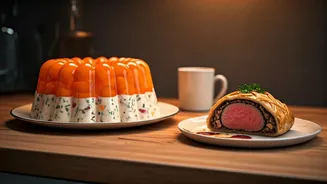
This trend isn't happening in a vacuum. It’s being amplified and accelerated by social media, particularly video-centric platforms like TikTok and Instagram Reels. The short-form video format is perfectly suited for showcasing these recipes. A 60-second clip can easily demonstrate the satisfying, often simple steps of making a vintage dish, from creaming butter and sugar for a 1950s cookie to layering a classic lasagna. Creators like B. Dylan Hollis have become viral sensations by rediscovering and testing recipes from old community cookbooks, bringing a modern wit to forgotten dishes. The algorithm, which favors high engagement, pushes this content to a massive audience. A single viral video of a “Watergate Salad” can reintroduce the quirky concoction to millions who have never seen it before, creating a shared, if slightly surreal, cultural moment.
The Appeal of 'Grandmacore'
This culinary throwback is part of a larger aesthetic trend often called “Grandmacore.” It romanticizes the domestic skills, crafts, and general vibe of older generations. Think cozy sweaters, flourishing houseplants, and, of course, from-scratch cooking. It represents a quiet rebellion against the relentless pressure to optimize, innovate, and hustle. Instead of a complex, deconstructed dish requiring a dozen specialized ingredients, Grandmacore cooking celebrates the humble, resourceful, and achievable. It’s about the joy of a perfectly baked potato bread or the simple genius of a “wacky cake” made without eggs or dairy—a recipe born of Depression-era necessity that now resonates for its vegan-friendly simplicity. This authenticity feels like an antidote to the often intimidating world of professional gastronomy and the curated perfection of so much online content.
Preserving Heritage, One Recipe at a Time
While much of the focus falls on kitschy mid-century American fare, the nostalgia trend runs much deeper and wider. It’s also a powerful vehicle for preserving and sharing culinary heritage from a vast array of cultures. On social media, you’ll find children and grandchildren of immigrants lovingly recreating their elders’ recipes, meticulously documenting techniques that were never written down. A creator might share their Yiayia’s method for making spanakopita, their Nonna’s Sunday gravy, or their Abuela’s specific way of preparing arepas. In this context, food content becomes a form of digital archiving. It ensures that precious family and cultural knowledge isn’t lost, transforming a personal recipe into a shared legacy that can be accessed and appreciated by a global audience. It’s a celebration of where we come from, plated for the digital age.