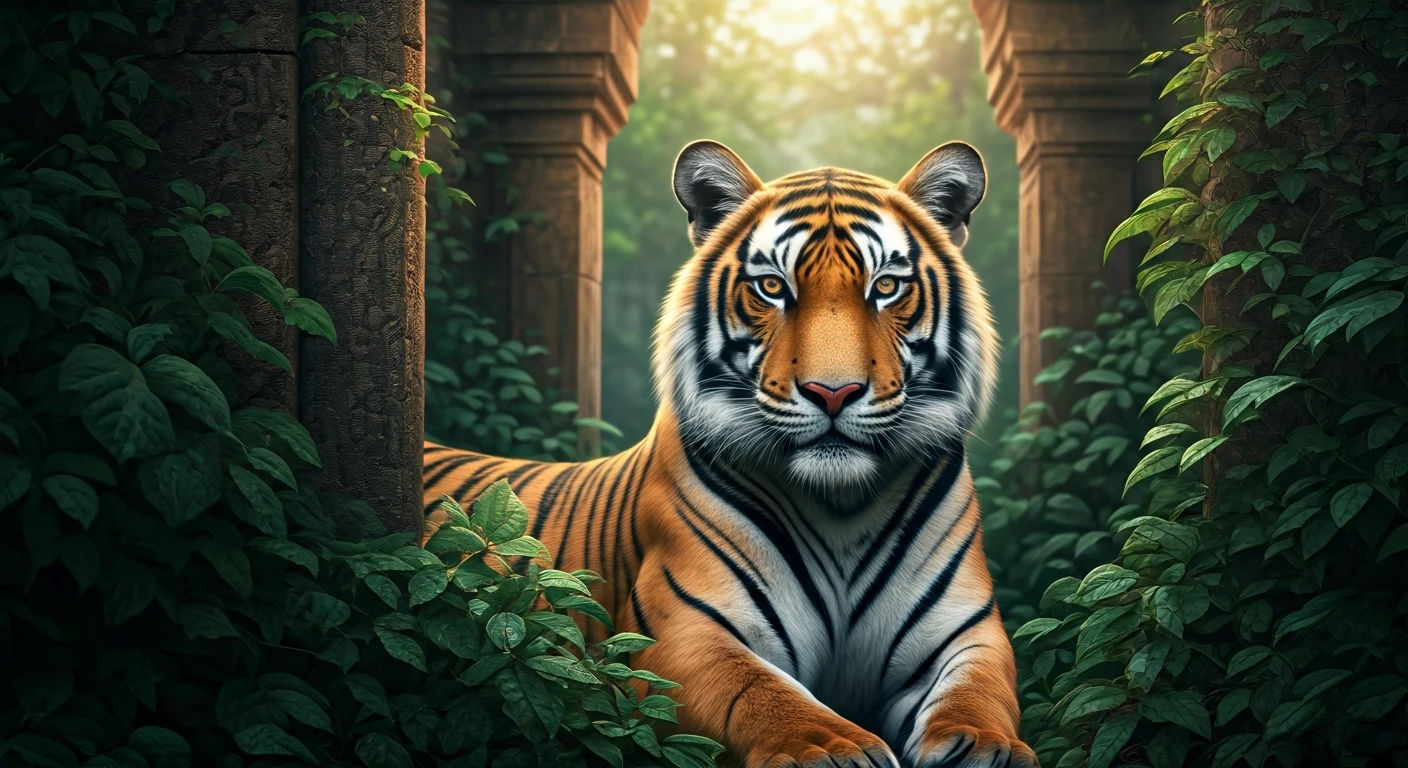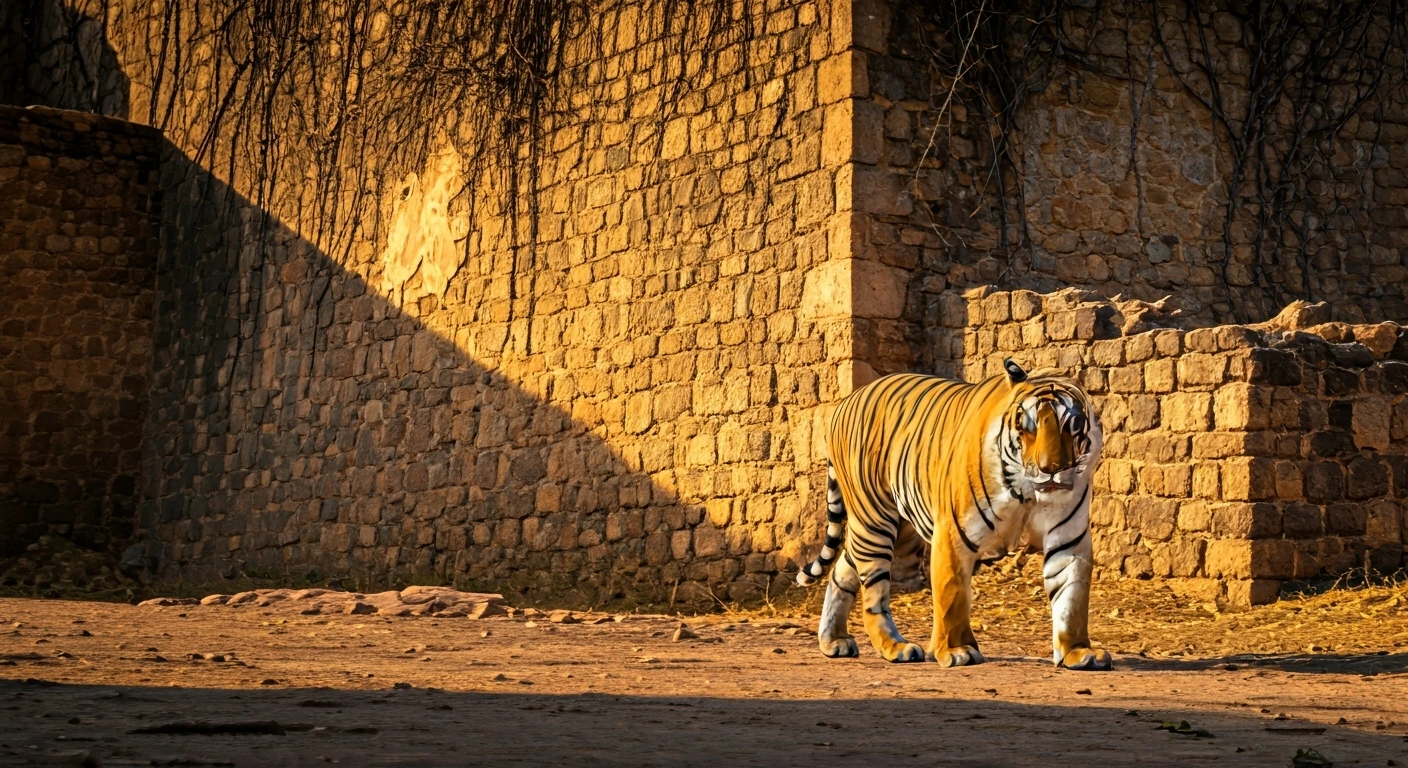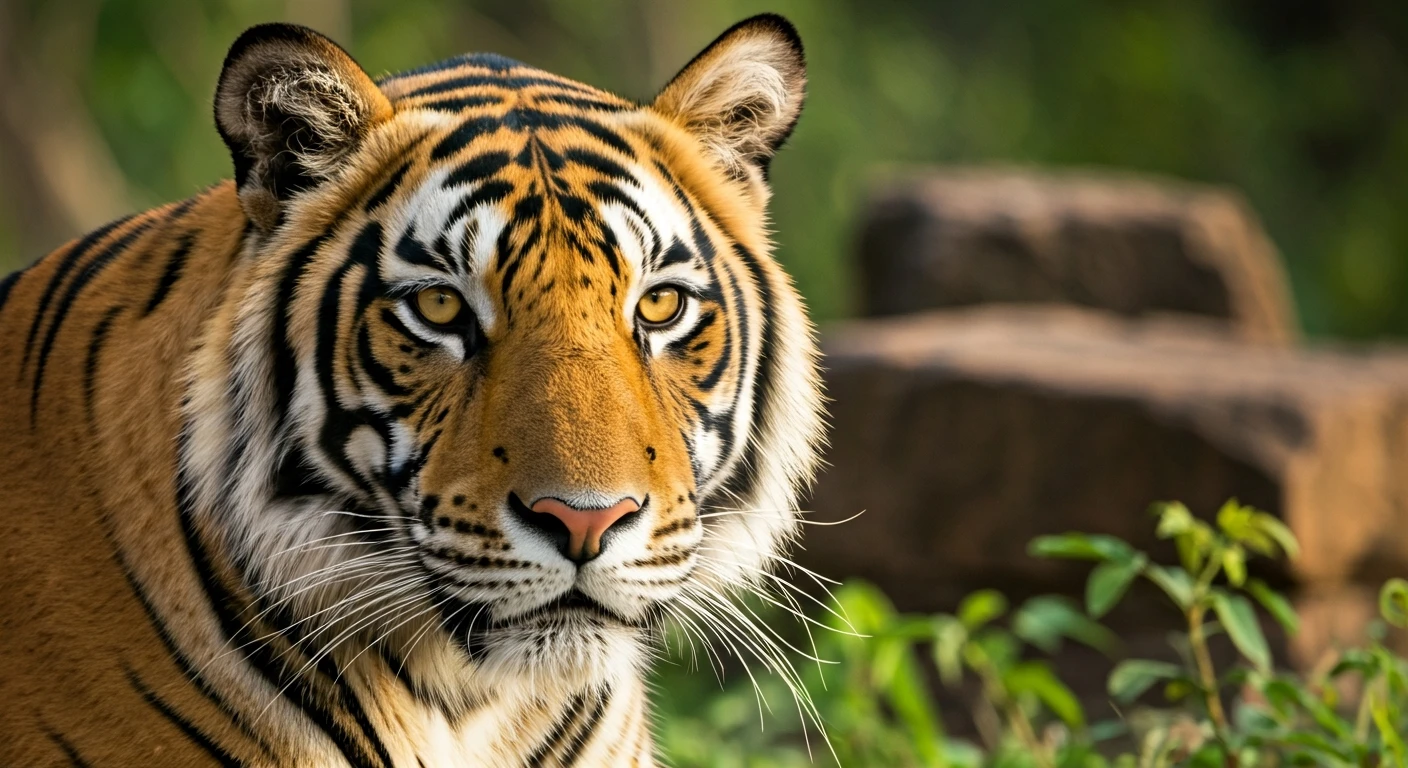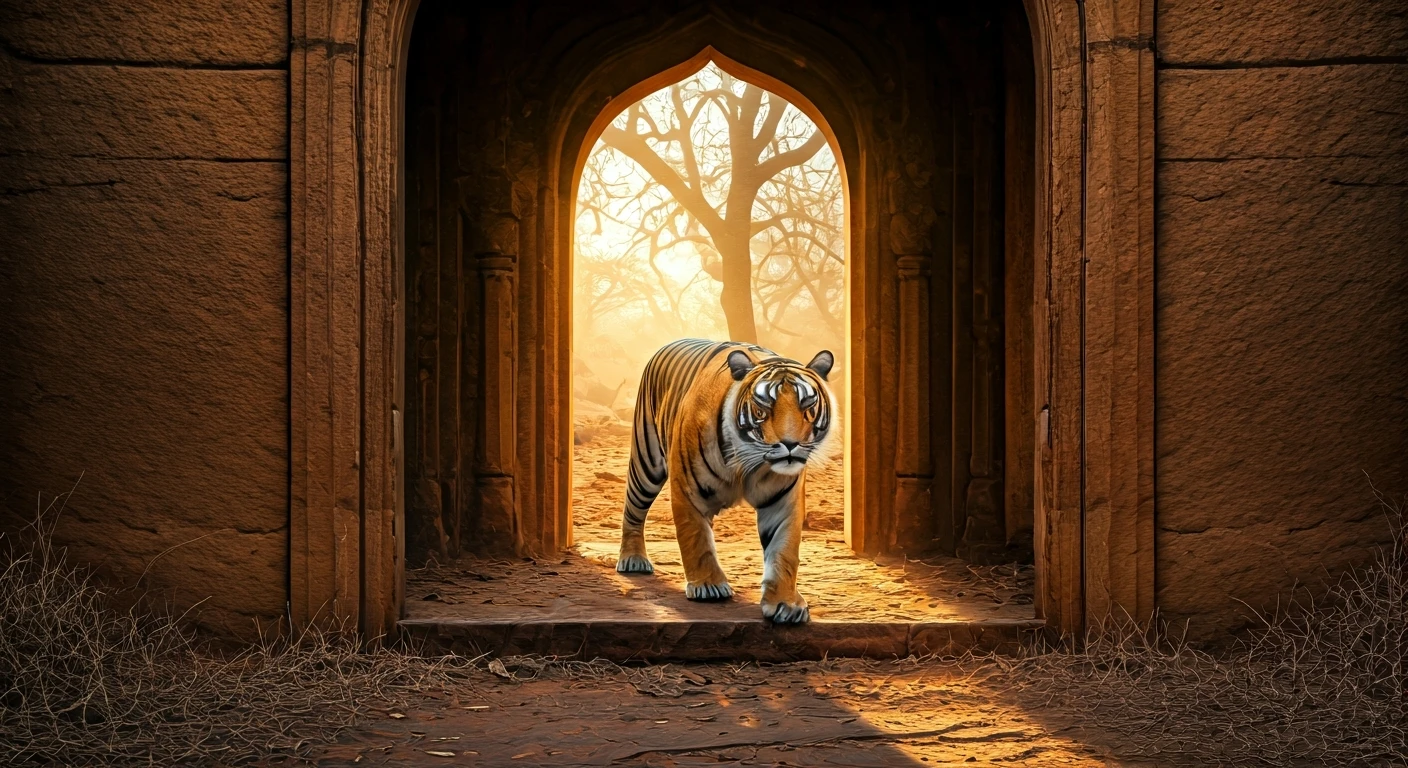



The Tiger’s Grand Entrance
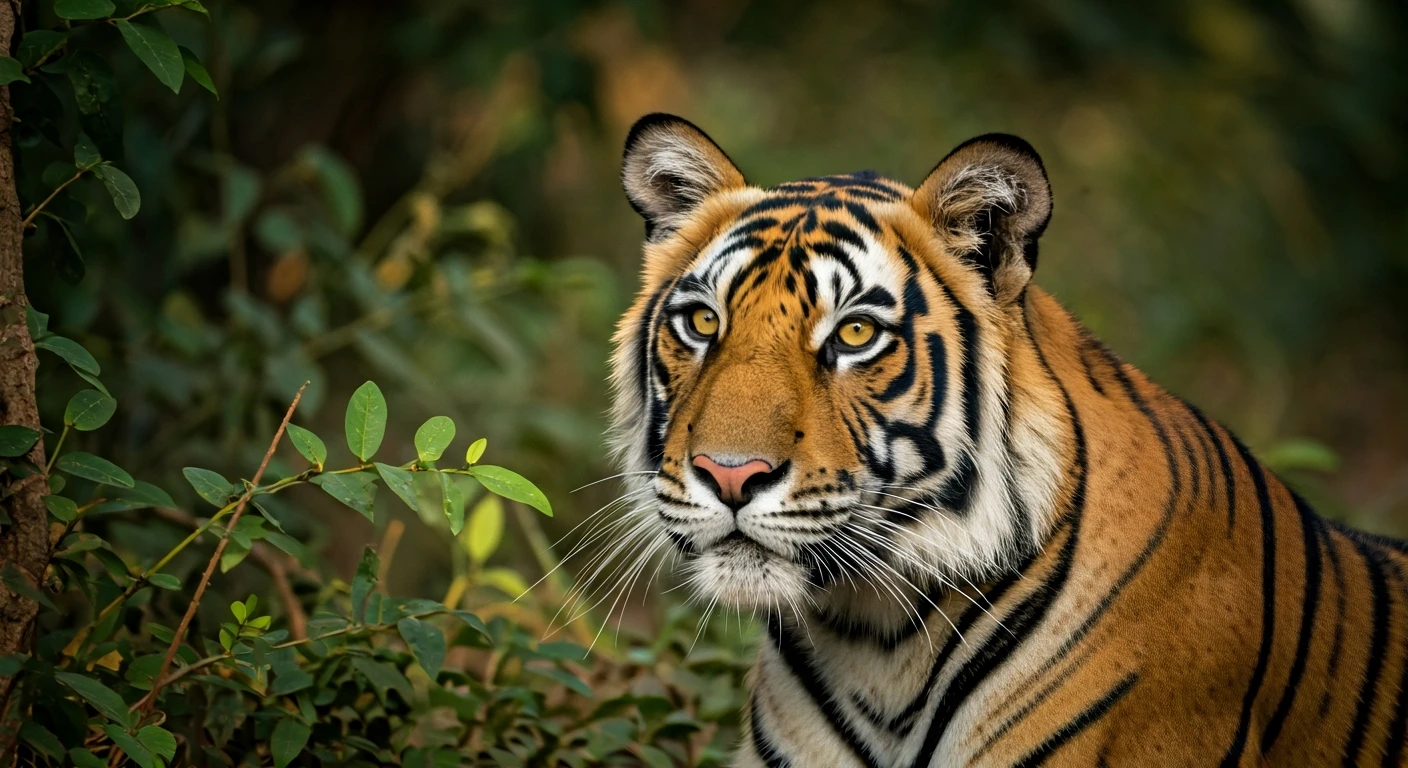
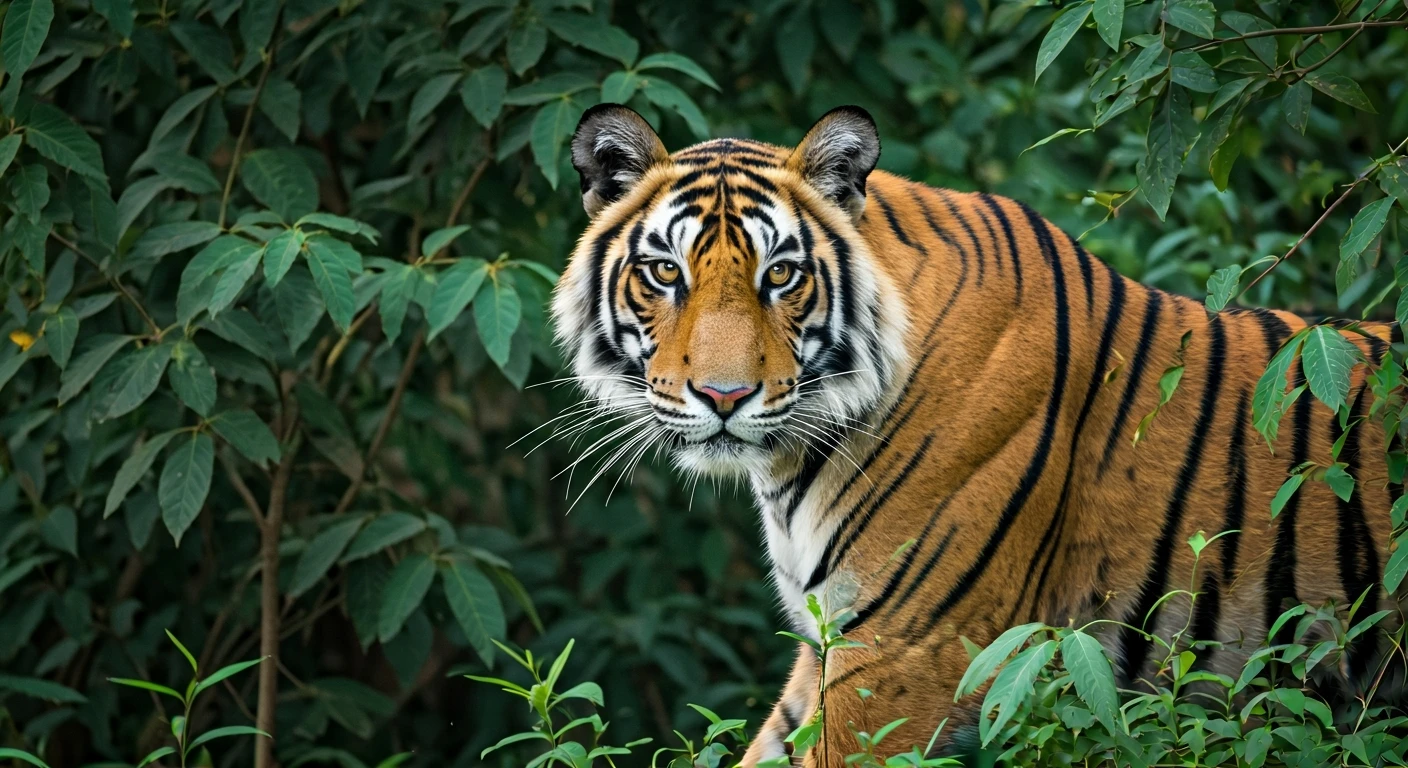
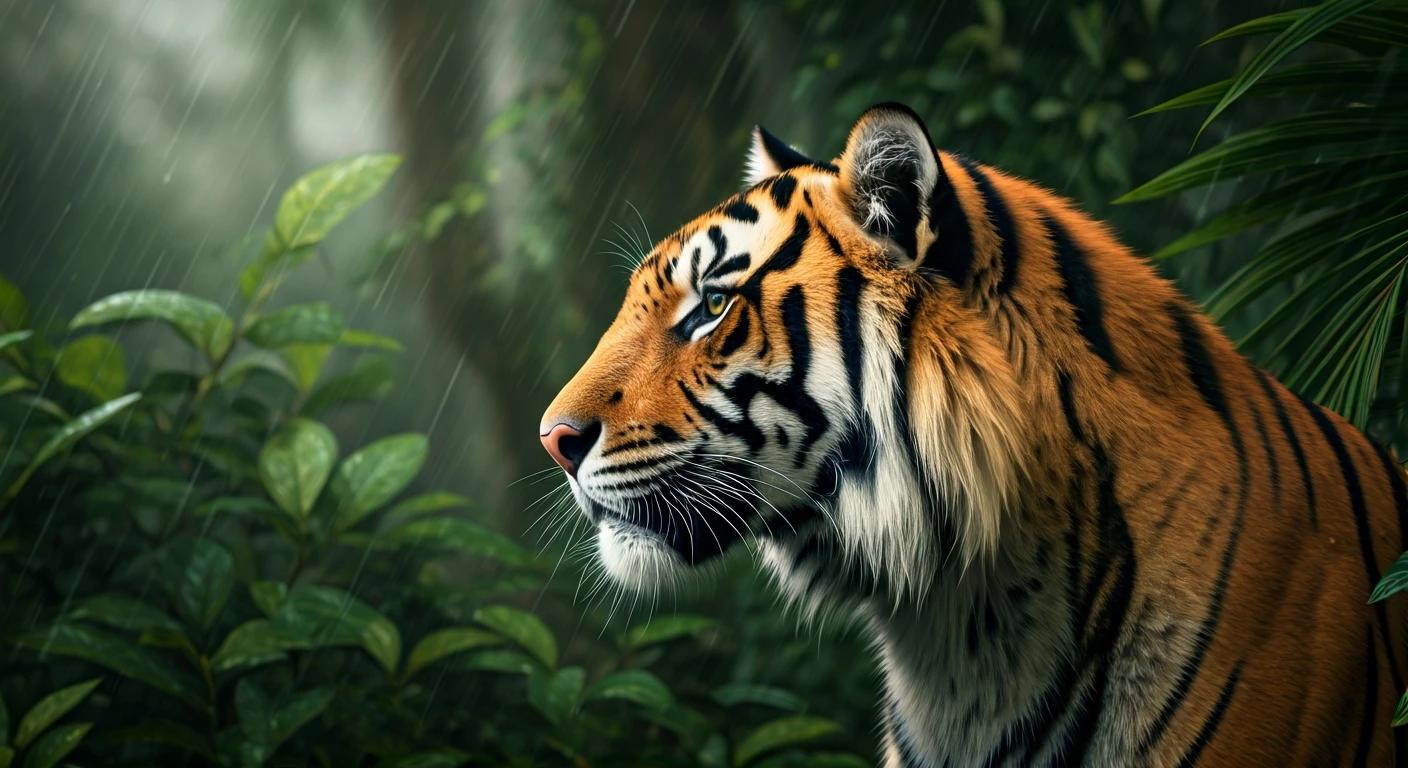
This is the shot everyone comes for, the heart-stopping moment that defines any Ranthambore safari. It rarely happens the way you picture it. Instead of a sudden ambush, it’s often a slow, deliberate reveal. The open-air jeep, known as a gypsy, will fall
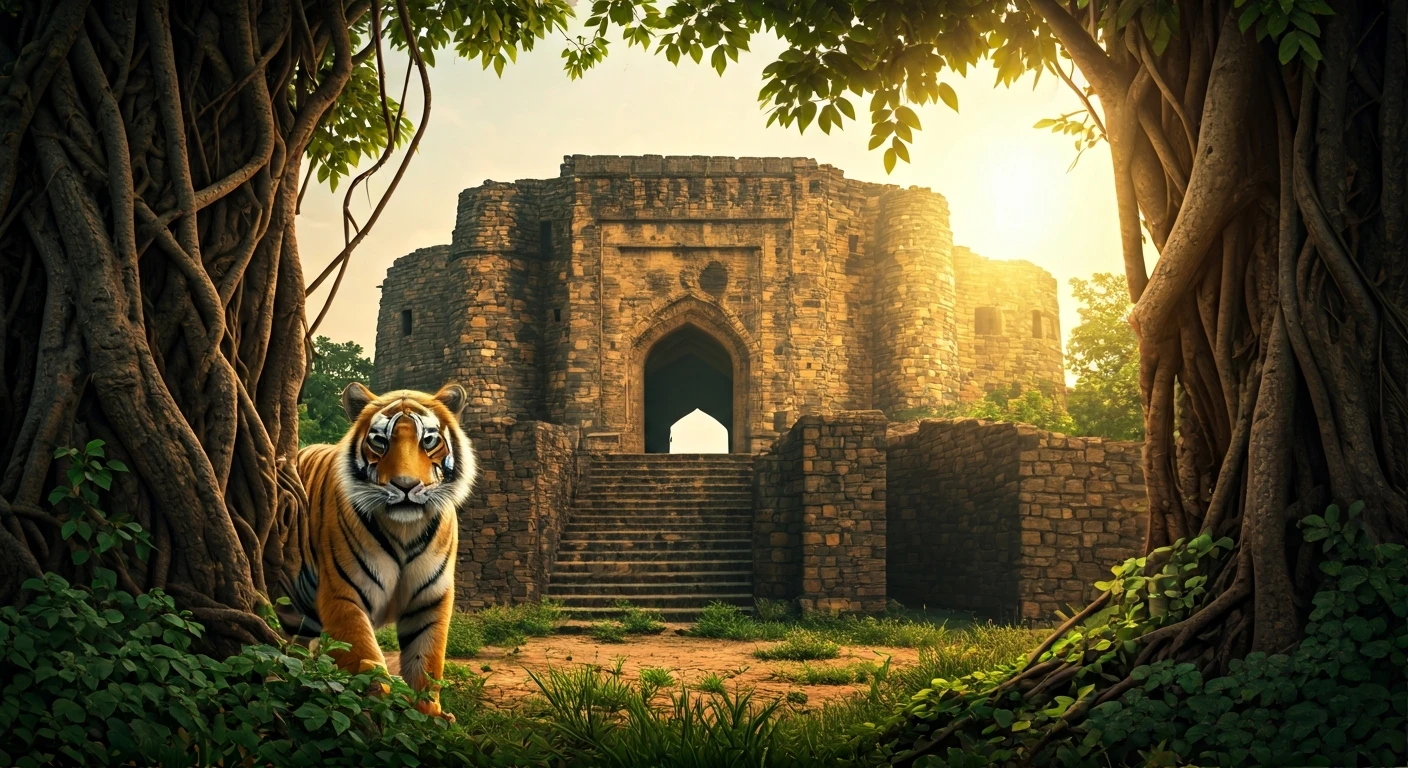
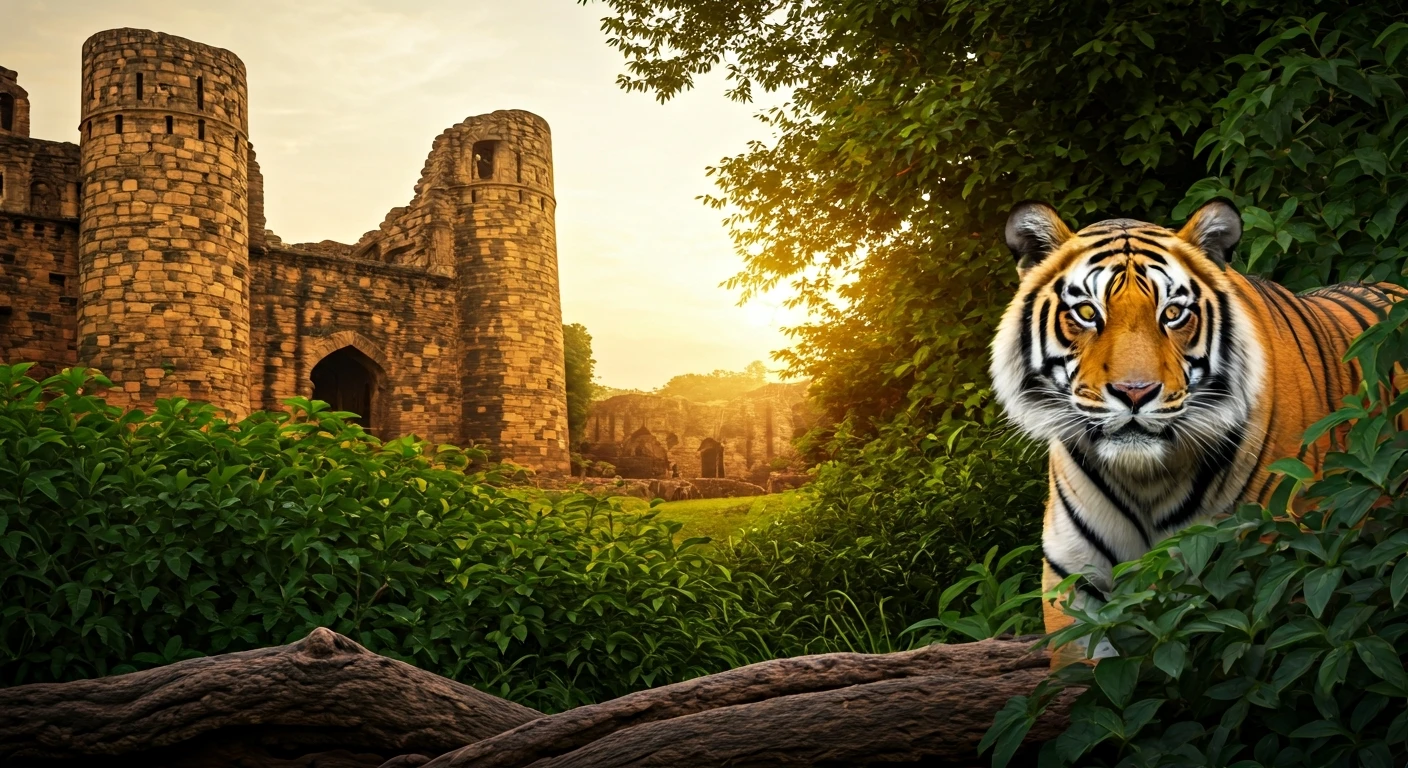
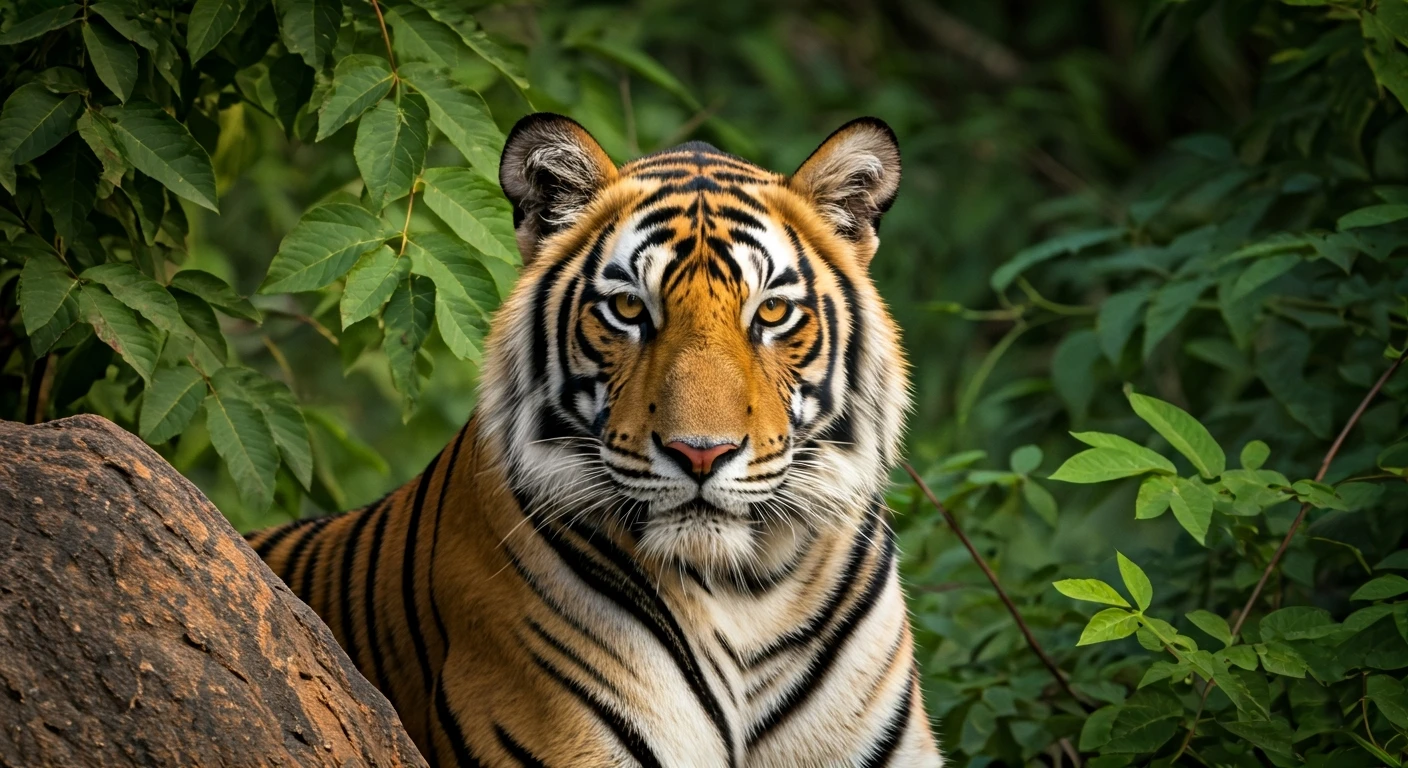
silent. Your guide points. First, you see a flicker of orange and black through the dry grass. Then, a massive striped flank, muscles rippling with each silent step. The Bengal tiger isn’t just an animal; it’s a character entering a scene. Capturing its casual stroll across a dusty track, its pause to drink at a waterhole, or its intense, amber-eyed stare is the ultimate prize. The sheer magnetism of the world’s most iconic big cat, moving with regal indifference in its natural habitat, provides the dramatic anchor for any travel video.
The Ancient Fortress on the Hill
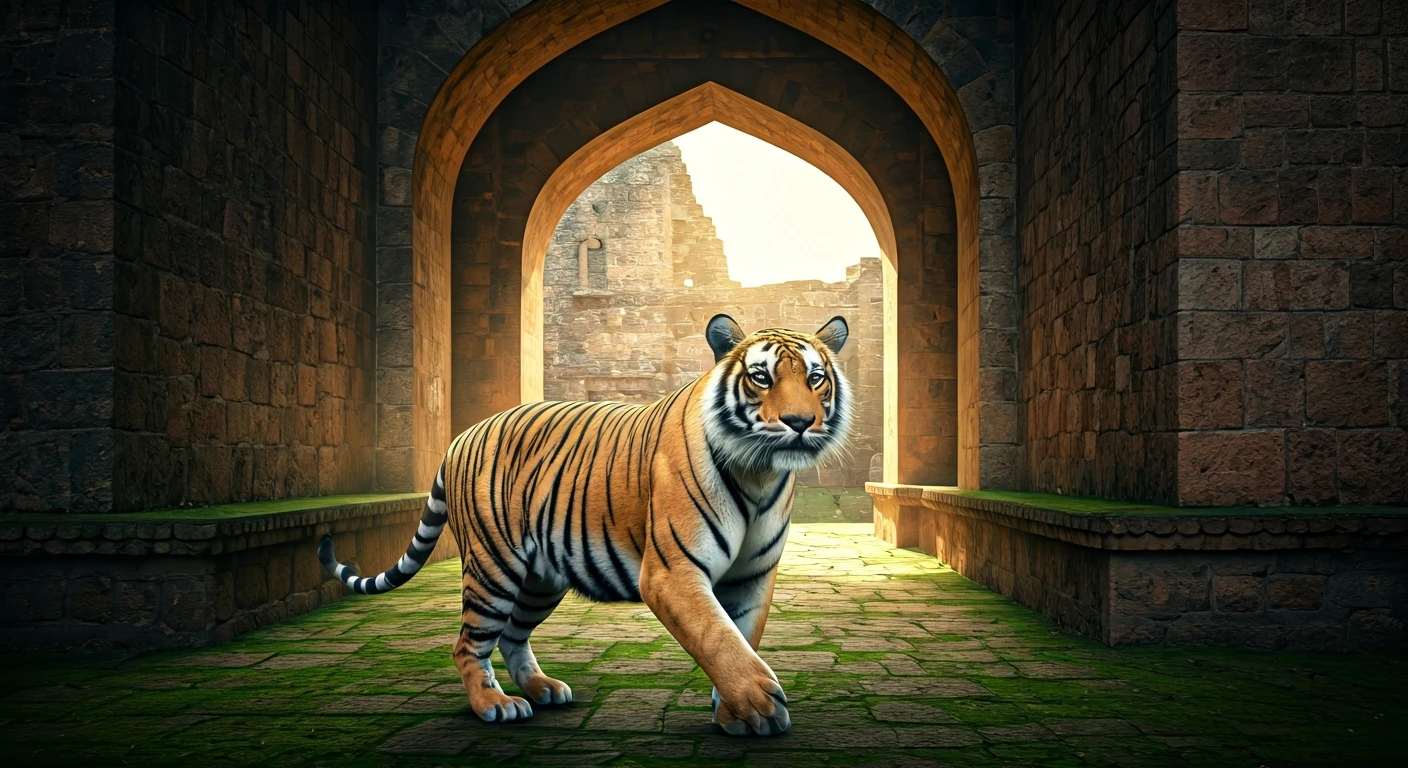
What sets Ranthambore apart from other tiger reserves is its history. Looming over the entire park is the 10th-century Ranthambore Fort, a UNESCO World Heritage Site. The crumbling ramparts, ancient temples, and stone archways create an almost mythical backdrop. Drones are not permitted, but a good zoom lens can frame a shot of a Sambar deer grazing near a centuries-old pavilion or langur monkeys leaping between temple ruins. The juxtaposition of wild nature reclaiming a once-mighty human fortress provides a powerful narrative theme. It’s not just a wildlife park; it’s a lost kingdom. Panoramas from viewpoints near the fort, capturing the vast, forested valleys below, add a sense of scale and epic grandeur to your reel.
The Lakeside Reflection Shot
The park's three major lakes—Padam Talao, Malik Talao, and Rajbagh Talao—are natural film sets. In the early morning or late afternoon, the water is often glass-still, creating perfect reflections of the surrounding landscape. This is where you’ll capture the park’s wider ecosystem. Crocodiles bask on the banks like prehistoric logs, herds of spotted deer cautiously approach the water’s edge, and an incredible array of birdlife, from painted storks to kingfishers, provides constant motion. A time-lapse of the changing light over the lake, or a slow-motion shot of a cormorant diving for a fish, adds texture and depth. These tranquil scenes offer a beautiful contrast to the tension of the tiger search, showcasing the park’s serene and vibrant soul.
The Vibrant Supporting Cast
While the tiger is the star, Ranthambore’s supporting cast is just as captivating. Troops of grey langur monkeys provide endless comedic relief, their expressive faces and acrobatic leaps perfect for quick, engaging clips. The alarm calls of spotted deer or the loud shriek of a peacock are the natural soundtrack, building suspense for a potential predator sighting. You might capture the silhouette of a sloth bear ambling through the undergrowth at dusk or a leopard, elusive and spotted, draped over a high branch. Don’t ignore these moments. A reel that weaves in the antics of monkeys, the grace of deer, and the flash of colorful birds tells a much richer story of the entire ecosystem.
Golden Hour Over the Aravallis
Every filmmaker knows the magic of golden hour, and in Ranthambore, it’s spectacular. As the sun begins to set over the Aravalli and Vindhya hills, the entire park is bathed in a soft, warm light. The dust kicked up by the jeeps hangs in the air, catching the light and creating cinematic, hazy beams that slice through the forest canopy. This is the time for dramatic silhouettes and atmospheric landscape shots. Filming your jeep bouncing along a ridge with the fiery sunset in the background is a classic closing shot. The light transforms the dry, deciduous forest from a harsh, sun-bleached environment into a soft, painterly landscape, providing the perfect, emotionally resonant end to your visual story.