






The New Definition of 'Healthy'
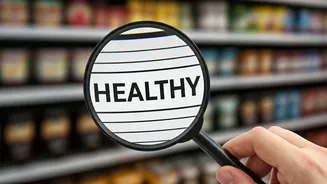
For decades, the word 'healthy' on a food package has been a blurry, often misleading marketing tool. A sugary granola bar could be labeled 'healthy' if it was low in fat. That's about to change. The Food and Drug Administration (FDA) is in the process
of updating its definition of 'healthy' for the first time in 20 years. Under the proposed new rule, to wear the 'healthy' badge, a product must contain a meaningful amount of food from at least one of the recommended food groups (like fruits, vegetables, or dairy) and adhere to strict new limits on sodium, added sugars, and saturated fats. This single change stands to disqualify a huge swath of products currently on shelves—many cereals, yogurts, and snack bars that have long been staples of 'health-conscious' marketing would no longer make the cut. For companies that have built entire brands on this vague wellness promise, it’s a moment of reckoning.
The Front-of-Pack Revolution
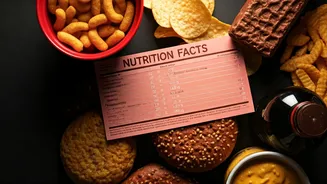
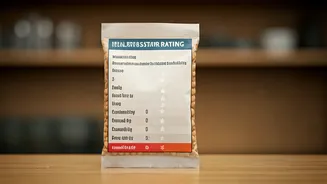
Beyond a single word, regulators are also pushing for a radical change in transparency: front-of-package (FOP) labeling. Instead of forcing shoppers to squint at the tiny nutrition facts panel on the back, the FDA is researching a standardized, symbol-based system for the front of the box. Think of the simple 'traffic light' systems used in the U.K. or the black octagon 'warning' labels in Chile and Mexico that clearly signal when a product is high in sugar, salt, or fat. The idea is to give consumers an at-a-glance understanding of what they’re buying. This is a direct threat to products that rely on colorful packaging and splashy claims to obscure less-than-ideal nutritional content. For a generation like Gen Z, which values authenticity and quick, digitally-native information, a simple, graphic rating system could become the ultimate decision-maker, bypassing marketing jargon entirely.
California Leads a Ban on Additives
While the FDA moves at a federal pace, states are taking matters into their own hands. In 2023, California passed a landmark law banning four food additives, including the controversial red dye No. 3 and brominated vegetable oil, which are still permitted by the FDA but have been banned in the European Union and other countries due to health concerns. Because of California's massive market size, this state-level ban effectively creates a national standard. Few, if any, major food companies will want to produce two versions of the same product—one for California and one for the rest of the country. As a result, brands are already reformulating popular candies, sodas, and baked goods to remove the banned ingredients nationwide. This trend of 'chemical-free' and 'clean label' products aligns perfectly with what younger consumers are demanding, pushing the entire industry toward simpler ingredient lists.
Why It's All About Gen Z
This regulatory tsunami isn't happening in a vacuum; it’s a direct response to a massive shift in consumer values, led by Gen Z. This is the first generation to grow up with unlimited access to information about wellness, nutrition, and corporate ethics. They are famously skeptical of traditional advertising and fluent in the language of 'clean eating' and sustainability. They check ingredient lists, follow influencer dietitians on TikTok, and are more likely to support brands that demonstrate transparency. Regulators see this, and so do food companies. The new rules are essentially codifying the demands that Gen Z is already making with its wallets. Brands that want to capture this demographic—now the largest and most influential consumer group—can no longer rely on old-school marketing. They have to actually change their products to be healthier and more transparent, or risk being seen as obsolete.