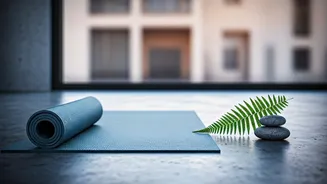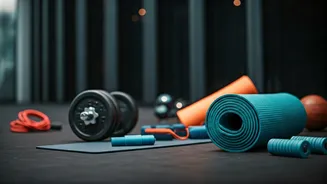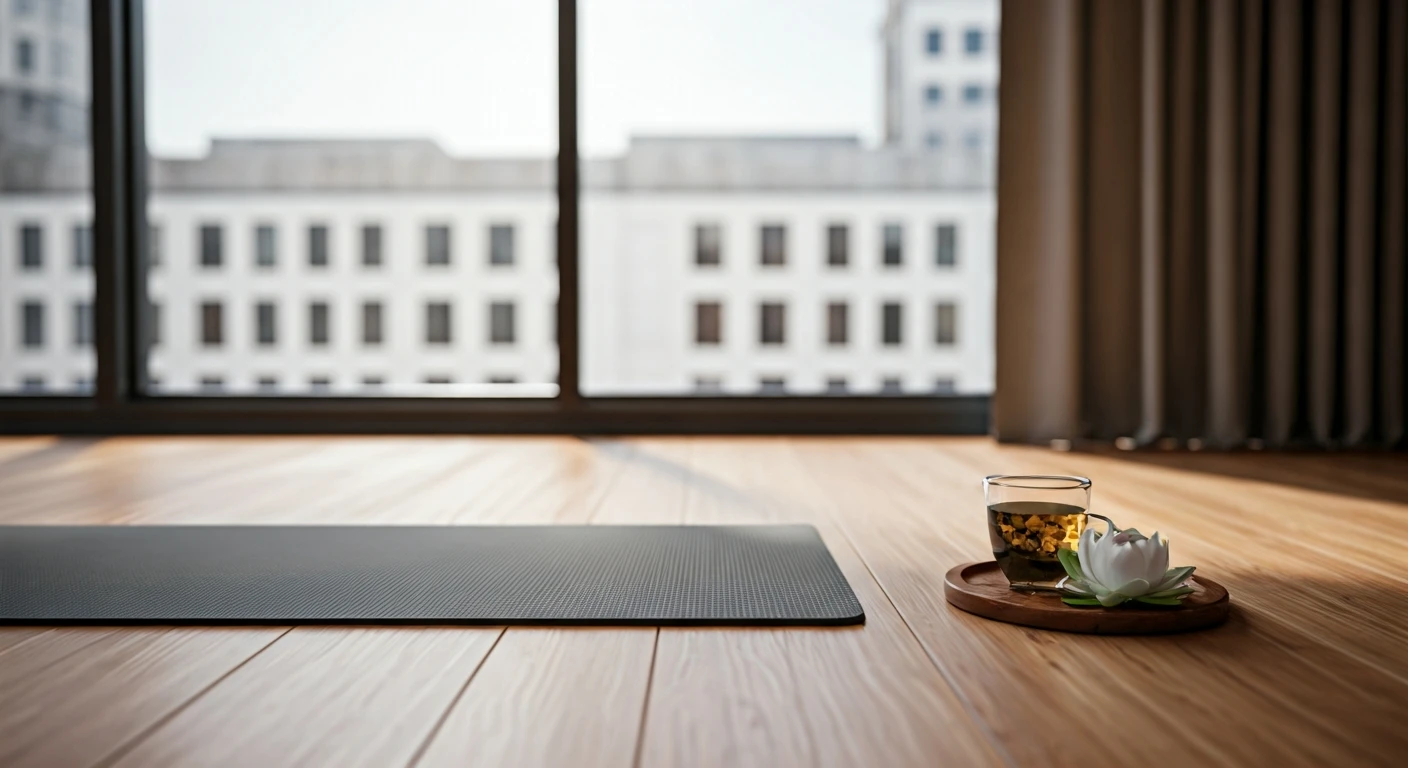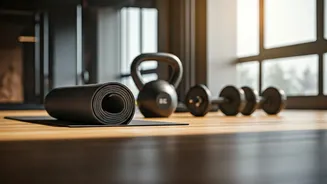






The Hybrid Gym Experience
Forget the stark, intimidating weight rooms of the past. In the upscale neighborhoods of India’s capital, a new kind of fitness center is taking hold. Here, a CrossFit WOD (Workout of the Day) might be followed not by a protein shake, but by a guided
meditation session. Powerlifting platforms exist alongside dedicated yoga shalas. Trainers are as likely to discuss the importance of proper breathing (pranayama) as they are the mechanics of a deadlift. This is the physical embodiment of Delhi’s new fitness mood: a deliberate fusion of high-intensity, Western-style strength training with India’s ancient, holistic wellness traditions. It’s less about sculpting a body for aesthetic perfection and more about building a resilient, functional, and balanced human being. These spaces cater to a new generation that sees no contradiction in pursuing a new personal record on the bench press in the morning and seeking inner peace through a yoga class in the evening.
From Ancient Wrestlers to Global Influencers
To understand how revolutionary this is, you have to look at India’s traditional relationship with physical culture. For centuries, the pinnacle of strength was the ‘pehlwan,’ a wrestler trained in a traditional gymnasium called an ‘akhara.’ Their regimen was a complete lifestyle, blending intense physical conditioning with a strict diet, discipline, and a sense of spiritual duty. While akharas still exist, for decades modern urban fitness was largely seen as a luxury for the elite or a purely functional pursuit. The new trend doesn't completely discard the past. Instead, it reinterprets it for the 21st century. The discipline of the akhara is finding new expression in the structured programming of CrossFit, while the mindfulness central to yoga is being used as a tool for recovery and focus, concepts familiar to any modern American athlete. The Indian fitness consumer is no longer just a passive recipient of global trends; they are active participants, curating a unique blend that feels both modern and authentic.
The Social and Economic Fuel
So, why now? The shift is being driven by a perfect storm of social and economic factors. India's burgeoning middle and upper-middle class has more disposable income than ever before, and they’re choosing to spend it on health and self-improvement. The global pandemic served as a powerful catalyst, dramatically increasing health consciousness across the country. Suddenly, building a strong immune system and robust physical and mental health felt less like a luxury and more like a necessity. Furthermore, social media has flattened the world. Young Indians see fitness influencers from New York and Los Angeles lifting heavy weights, but they also have access to a wealth of information about their own traditions. They are forging a new identity that embraces both—the global and the local. This isn't just about getting fit; it's a statement of aspiration and a reflection of a globally connected, confident new India.
Mindful Muscle, A New Definition
Perhaps the most fascinating aspect of this movement is its redefinition of strength. In this new Delhi fitness scene, ‘strong’ isn’t just about the weight on the bar. It’s about mental clarity, emotional regulation, and physical longevity. The ‘wellness’ component isn't just a marketing gimmick; it's integral. A session might end with foam rolling and mobility drills inspired by physical therapy, followed by a cool-down incorporating deep, diaphragmatic breathing to lower cortisol levels and switch the body from a 'fight-or-flight' to a 'rest-and-digest' state. It's the application of ancient wisdom to solve a modern problem: the chronic stress of urban life. For a U.S. audience accustomed to a fitness industry often hyper-focused on aesthetics or peak performance, this holistic approach offers a compelling alternative—one where building muscle and finding peace aren’t mutually exclusive goals, but two sides of the same coin.