




The Great Un-Rush
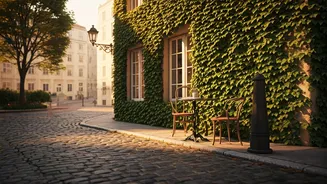
The first thing a Western traveler often notices in a city like Seoul is what *isn’t* happening at 8 a.m. While American cities are buzzing with a pre-work frenzy, many of Seoul’s residential and commercial neighborhoods remain peacefully dormant. Countless
independent shops, bakeries, and boutiques won't roll up their gates until 10 or even 11 a.m. This isn't laziness; it's a different social rhythm. The workday often starts later and ends later, shifting the entire city’s chronometer. For a traveler, this is a gift. It removes the pressure to be ‘up and at ‘em.’ Instead of fighting for a spot in a crowded tourist queue at dawn, you are gently encouraged to simply be. The city itself gives you permission to have a slow, contemplative start, turning the morning from a logistical hurdle into the most peaceful part of your day.
A Kingdom of Cafes
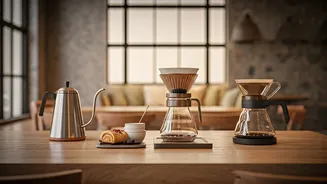
South Korea’s coffee culture is not just a trend; it's a fundamental part of the social infrastructure, and it’s the centerpiece of the slow morning. The country has one of the highest densities of coffee shops in the world, but these aren’t the grab-and-go espresso bars common in the U.S. A Korean cafe is a ‘third space’ perfected. Each one, from the major chains to the tiny, design-forward independents, is built for lingering. They are aesthetically curated worlds with comfortable seating, ambient music, free Wi-Fi, and pristine bathrooms. Ordering a single Americano buys you hours of rent in a beautiful, calm space. The morning ritual for many locals and travelers alike isn't a hurried gulp of caffeine but a pilgrimage to a chosen cafe to read, work, or simply watch the world from a second-story window as the city slowly wakes up around you.
Breakfast, Redefined
The American obsession with breakfast as the ‘most important meal of the day’ doesn't quite translate. A traditional Korean breakfast might consist of rice, soup, and various side dishes (banchan), much like any other meal. But in the modern urban context, a formal breakfast is often a fluid concept. Many Koreans might skip it entirely, opting for a late-morning coffee and pastry. Others might grab a simple kimbap roll or a piece of street toast (gilgeori toast)—a savory, buttery concoction of egg, cabbage, and ham. This flexible approach liberates the traveler from the rigid schedule of hotel breakfast buffets. It encourages you to listen to your own appetite, perhaps enjoying a light snack from a street vendor before settling in for a more substantial brunch or lunch when you—and the city’s restaurants—are truly ready.
Mindful Morning Rituals
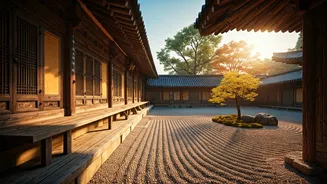
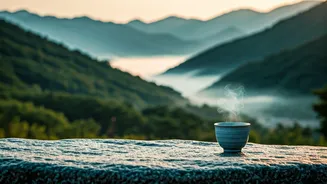
The slow morning isn't just about consumption; it’s also about quiet activity. Many Korean cities are nestled among mountains, with well-maintained trails accessible via public transportation. A morning hike is a national pastime, offering stunning city views and a dose of nature before the day’s plans begin. It’s a meditative, not competitive, activity. Alternatively, one could visit a jjimjilbang, a traditional public bathhouse. Open 24/7, these gender-segregated complexes of hot tubs, saunas, and relaxation rooms are woven into the fabric of daily life. Spending a morning cycling through hot and cold pools, getting a vigorous body scrub, and napping in a heated salt room is a restorative experience that leaves you feeling utterly renewed and perfectly in sync with the unhurried rhythm of a Korean morning.