

The Rise and Reign of Grey
It’s hard to overstate the absolute dominance of grey. For the better part of a decade, it was the undisputed champion of chic. Paired with clean lines, white subway tile, and maybe a fiddle-leaf fig in the corner, “Millennial Grey” wasn't just a color—it
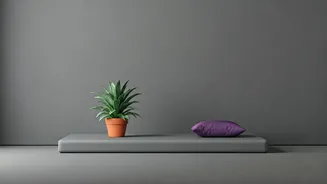
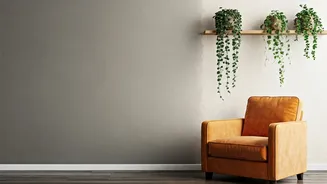
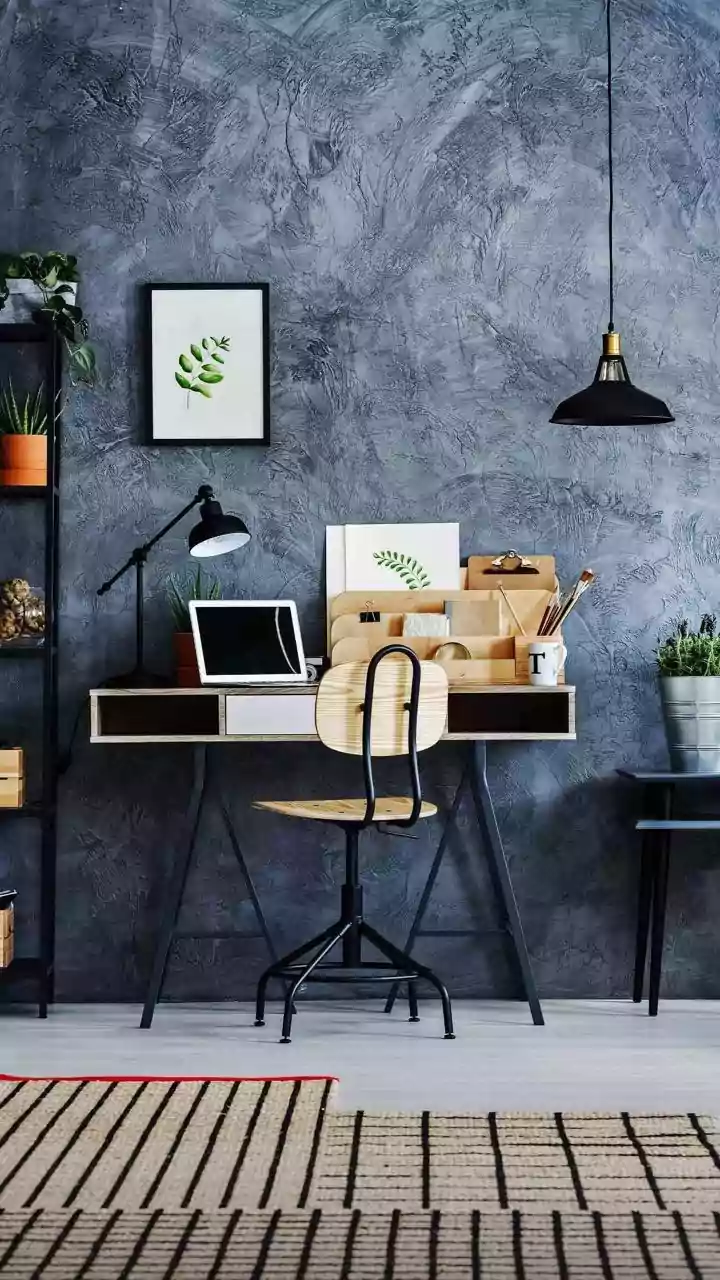
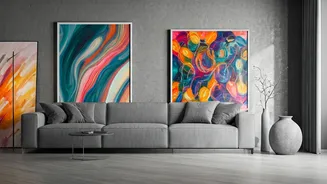
was a worldview. It was the color of quiet competence, of Scandinavian minimalism trickling down into every new-build condo and HGTV home flip. Emerging from the Great Recession, and as a stark rejection of the Tuscan-inspired, brown-and-gold palette of the 2000s, grey felt refreshingly modern and adult. It was the perfect, unobtrusive backdrop for a carefully curated life on Instagram. It whispered sophistication and suggested that, even if your life was messy, your living room wasn't. For a generation navigating economic precarity, a coat of “Agreeable Gray” paint offered an affordable, foolproof way to create a space that felt put-together and serene.
The First Cracks in the Foundation
The first shots in the decor war were fired not with a bang, but with a meme. The rise of the “sad beige” aesthetic on TikTok—mocking the uninspired, colorless clothing and toys marketed to a certain type of minimalist mom—created collateral damage. Soon, the internet’s critical eye turned to the home. Suddenly, the serene grey expanse didn’t feel so calming anymore. It felt… sterile. Impersonal. Like living in a high-end Airbnb that was afraid to show any personality. The pandemic accelerated this feeling immensely. As our homes transformed into our offices, gyms, and entire social worlds, the need for comfort and personality skyrocketed. Staring at the same four grey walls day after day, many began to crave a space that felt less like a showroom and more like a sanctuary—a place that was warm, nurturing, and uniquely their own. The cool, detached elegance of grey started to feel, well, cold.
Enter the Warm Front
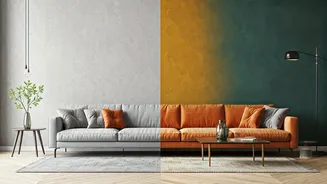
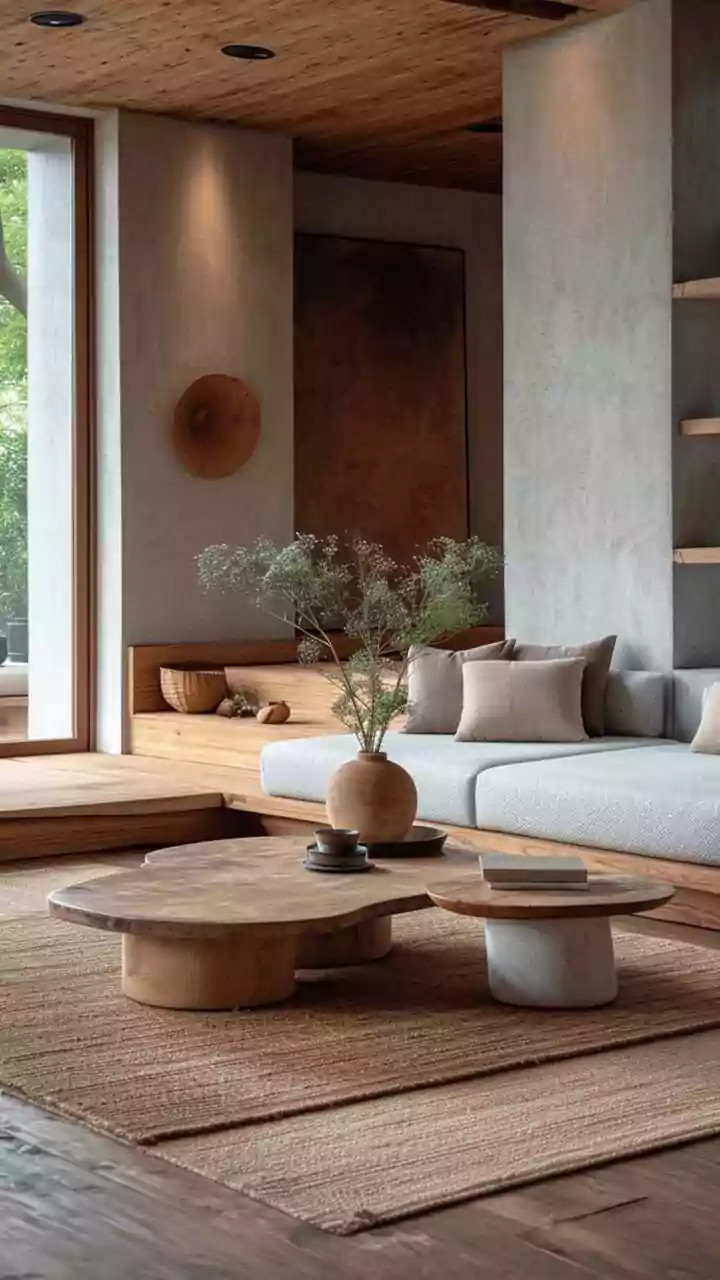
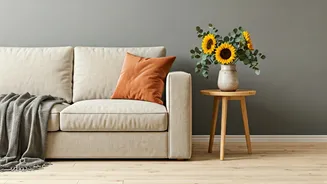
Nature abhors a vacuum, and interior design abhors a trend vacuum even more. Replacing grey is a whole family of warmer, earthier tones. We’re talking rich camels, creamy whites, soft beiges, and even the once-maligned brown. The new buzzword is “greige”—a perfect blend of grey and beige that captures the transition. But this isn't just a simple color swap. The new aesthetic, often dubbed “organic modern,” is about texture and material. Think nubby bouclé fabrics, warm-toned woods like oak and walnut, rattan furniture, travertine tables, and curved, sculptural forms that invite you to curl up. It’s less about a single perfect color and more about layering different tones and textures to create a space that feels rich, lived-in, and deeply comforting. It’s a full-body hug in design form, a stark contrast to grey’s cool, professional handshake.
Beyond Neutrals: The Age of Dopamine Decor
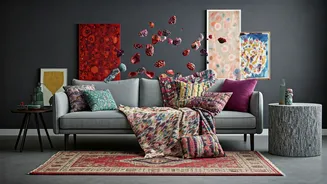
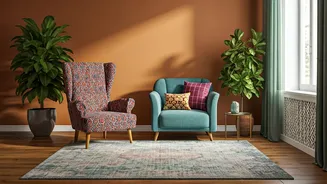
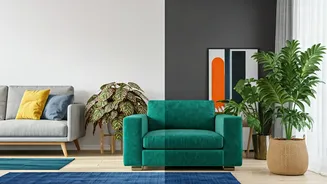
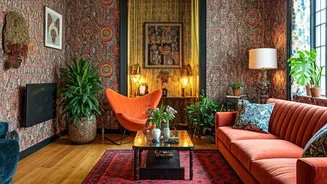
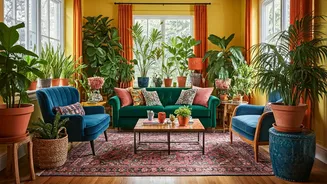
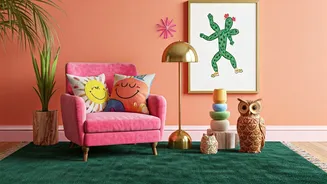
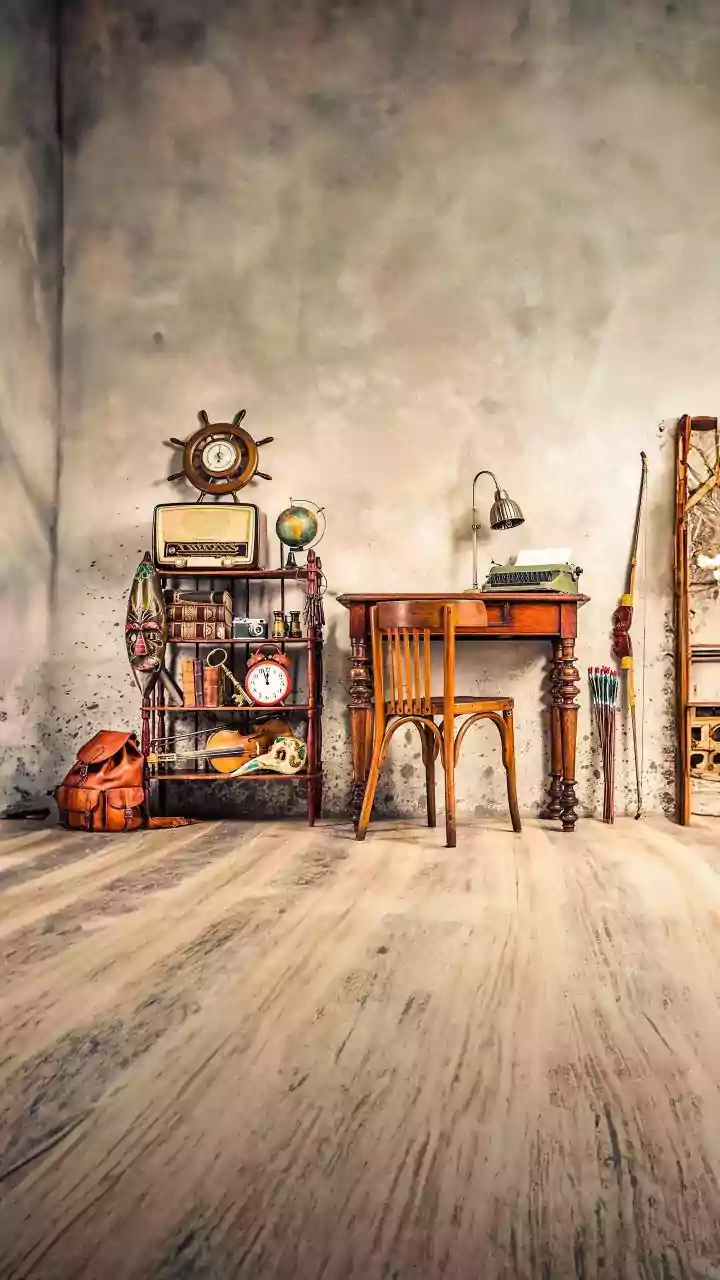
Perhaps the most significant shift isn't just from grey to beige, but from minimalism to a more expressive maximalism. For many, the answer to bland interiors isn’t a warmer neutral, but no neutral at all. Enter “dopamine decorating,” the trend of using bold colors, playful patterns, and quirky, personal objects to create a space that sparks joy. It’s about painting a room a vibrant cobalt blue, collecting mismatched vintage glassware, and hanging art that actually means something to you. This is the ultimate rejection of the one-size-fits-all, trend-driven aesthetic that Millennial Grey represented. It champions the individual, celebrating a home that tells a story and reflects the unique personality of the people who live there. In this new era, the “best” color is simply the one that makes you happy, and the ultimate decorating goal is a home that feels authentically and unapologetically yours.