






Bitter Melon (Karela)
Let’s start with the one that inspires the most opinions. Bitter melon, or karela, looks like a warty cucumber and has a distinctly pungent, bitter taste that can be an acquired preference. But its popularity is soaring for a reason. In traditional Ayurvedic
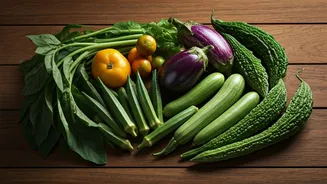
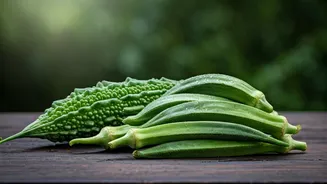
medicine, it's revered for its potential to help regulate blood sugar. For gut health, it's a powerhouse. Rich in fiber, it aids digestion and promotes regularity. It also contains compounds like charantin and polypeptide-p, which are studied for their health benefits. The bitterness itself is a sign of potent phytonutrients. If you're new to it, don't eat it raw. Slicing it thin, salting it to draw out some bitterness, and then stir-frying it with onions, garlic, and spices like turmeric and cumin can transform it into a savory, complex dish.
Okra (Bhindi)
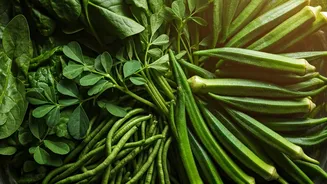
Often unfairly maligned in the West for its sometimes-slimy texture, okra (bhindi in Hindi) is a gut-health hero. That 'slime' is actually mucilage, a soluble fiber that forms a gel-like substance in your digestive tract. This gel is fantastic for feeding good gut bacteria (acting as a prebiotic), helping to soften stool, and promoting smooth digestion. It’s also packed with vitamin C and vitamin K. The key to avoiding the sliminess is how you cook it. High-heat methods are your friend. Try slicing it and roasting it in the oven until crispy, or quickly stir-frying it on a high flame. In Indian cuisine, it’s often pan-fried with spices until browned and tender-crisp, a preparation known as 'bhindi masala' that completely changes its texture.
Bottle Gourd (Lauki)
If bitter melon is the bold choice, bottle gourd is its gentle, soothing counterpart. Known as lauki or doodhi, this pale green, mild-flavored squash is over 90% water, making it incredibly hydrating and easy to digest. It’s the kind of vegetable your grandmother would tell you to eat when you have an upset stomach. Its high fiber content, both soluble and insoluble, helps cleanse the digestive tract and prevent constipation. Because its flavor is so mild, it’s a versatile team player. It readily absorbs the flavors of whatever it’s cooked with, making it perfect for light curries, soups, or even grated into yogurt to make a cooling 'raita'. Some wellness influencers are even juicing it, though cooking it in a simple stew with lentils is a more traditional and comforting approach.
Fenugreek Leaves (Methi)
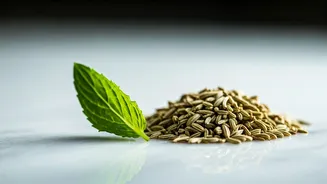
While fenugreek seeds are common in American spice racks, the fresh leaves (methi) are a game-changer. These small, green leaves have a unique, slightly bitter, and aromatic flavor reminiscent of maple syrup and celery. They are exceptionally high in dietary fiber, which is crucial for satiety and a healthy gut microbiome. Methi is also a good source of iron and other minerals. The leaves are incredibly versatile. They can be chopped and mixed into dough to make flavorful flatbreads (methi paratha), sautéed with potatoes (aloo methi), or stirred into lentil dishes (dal) at the end of cooking for a burst of fresh, earthy flavor. They provide a sophisticated bitterness that balances rich and fatty dishes beautifully.
Ridge Gourd (Turai)
Similar to its cousin, the bottle gourd, ridge gourd (turai) is another vegetable prized in Indian cooking for being light and easy on the stomach. As the name suggests, it has distinct ridges running down its length, which are typically peeled off before cooking. Like lauki, it's high in water and rich in fiber, particularly cellulose, which adds bulk and helps move things along the digestive system. It’s also a good source of B vitamins and vitamin C. Ridge gourd shines in simple preparations that don't mask its delicate, slightly sweet flavor. A classic way to prepare it is to sauté it with mustard seeds, turmeric, and a little chili, letting it soften in its own juices. It pairs wonderfully with shrimp or can be cooked with split peas for a hearty, wholesome curry.