





More Than Just a Comfy Bed
Let’s get one thing straight: sleep tourism isn’t just booking a hotel with a nice mattress. While a comfortable bed is a prerequisite, this trend goes much, much deeper. At its core, sleep tourism involves travel specifically designed to improve the
quality of your rest. It’s a deliberate, curated experience that treats sleep not as a passive activity, but as a wellness goal to be actively pursued and optimized. These aren’t your typical vacations where you hope to catch up on sleep between sightseeing and late dinners. Here, sleep *is* the main event. Resorts and hotels offering these programs often combine high-tech amenities with holistic therapies. Think of it as a boot camp for your circadian rhythm, transforming a simple hotel stay into a scientifically informed, deeply restorative retreat.
The Rise of the Burnout Backlash
So why is this happening now? In a word: burnout. The last few years have put our collective well-being through the wringer. The lines between work and home blurred, stress levels skyrocketed, and screen time exploded. For many, sleep was the first casualty. According to the CDC, more than a third of American adults are not getting enough sleep on a regular basis. This widespread exhaustion has created a new market for solutions. People are no longer just looking for an escape; they’re looking for a reset. The pandemic, in particular, heightened our awareness of health and wellness, pushing sleep from a nightly necessity to a top-tier pillar of self-care. Hotels and travel companies, ever savvy to consumer desires, have responded by packaging rest as an aspirational, purchasable commodity.
Pillow Menus and Sleep Coaches
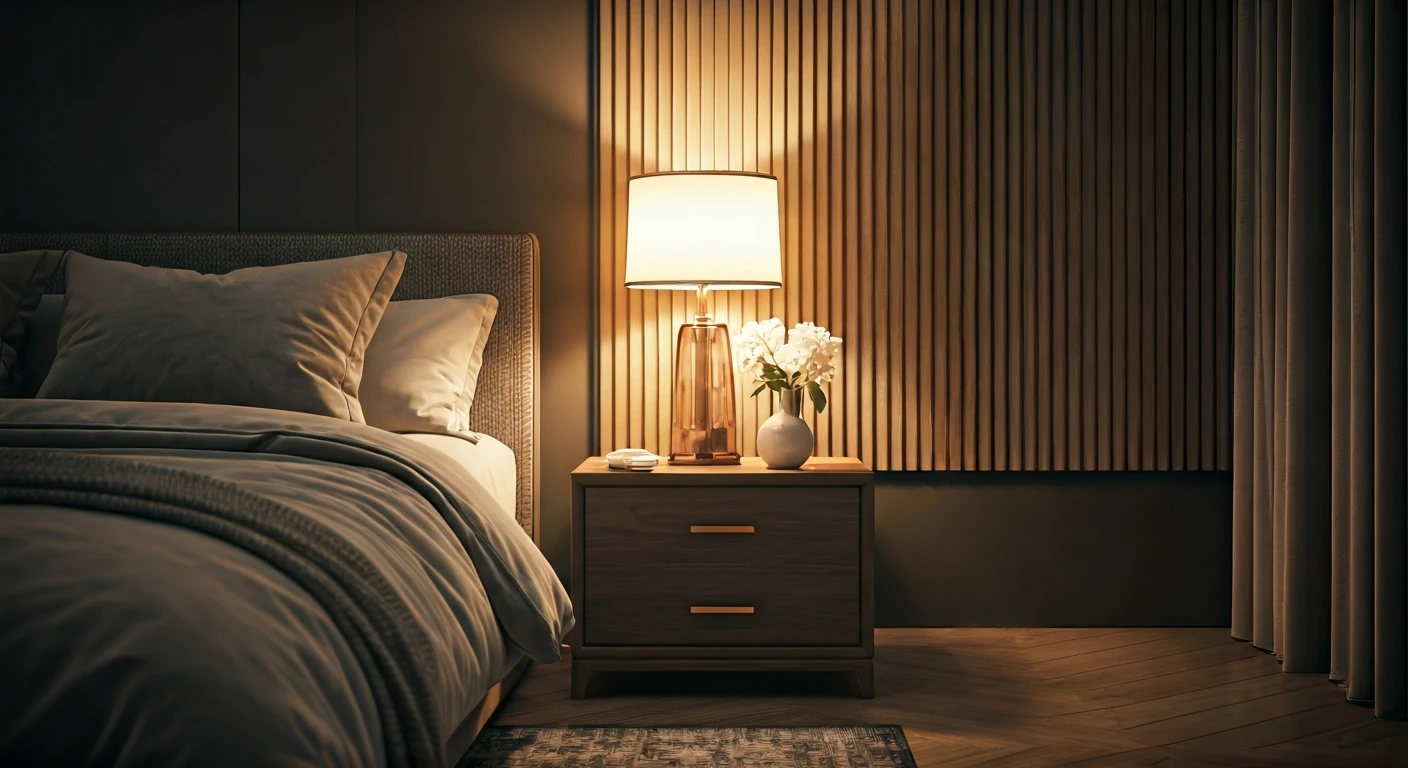
What exactly do you get for your money on a “sleep-cation”? The offerings are as varied as they are luxurious. At the entry-level, you might find a “sleep kit” with essential oils and a weighted blanket waiting in your room. But high-end programs take it to another level entirely. Guests can often choose their ideal sleeping environment from a “pillow menu” offering everything from memory foam to buckwheat hulls. Rooms are frequently engineered for optimal slumber, featuring blackout curtains, soundproofing, and temperature-regulating bedding. Technology plays a huge role, with some hotels offering AI-powered mattresses that adjust to your movements, or wearable trackers to monitor your sleep cycles. Beyond the room, these retreats often include consultations with on-site sleep specialists, guided meditations, yoga sessions, and nutritional plans designed to promote restfulness. It’s an all-encompassing approach that aims to address the physical, mental, and environmental factors that inhibit quality sleep.
The High Cost of Hibernation
As the headline suggests, this level of curated rest doesn’t come cheap. A multi-day sleep program at a luxury hotel can easily run into the thousands of dollars, placing it firmly in the category of high-end wellness. These packages are marketed to a demographic with disposable income and a pressing need to de-stress—overworked professionals, exhausted parents, and anyone feeling the physical toll of a high-pressure lifestyle. For many, the idea of spending a vacation’s worth of money just to sleep better might seem absurd. Yet, for a growing number of people, it’s a worthwhile investment. They aren’t just paying for a few quiet nights; they're paying for tools, knowledge, and a physiological reset they hope will have lasting benefits. It’s the ultimate modern luxury: the chance to unplug so completely that even your subconscious gets a break.