





The Overture of the Clouds
The first rains of the season arrive with a particular scent, known as petrichor—the earthy smell of rain on dry soil. But in places like Meghalaya, the “abode of clouds,” this is no gentle overture. It’s a full-blown symphony. The sky, a placid blue
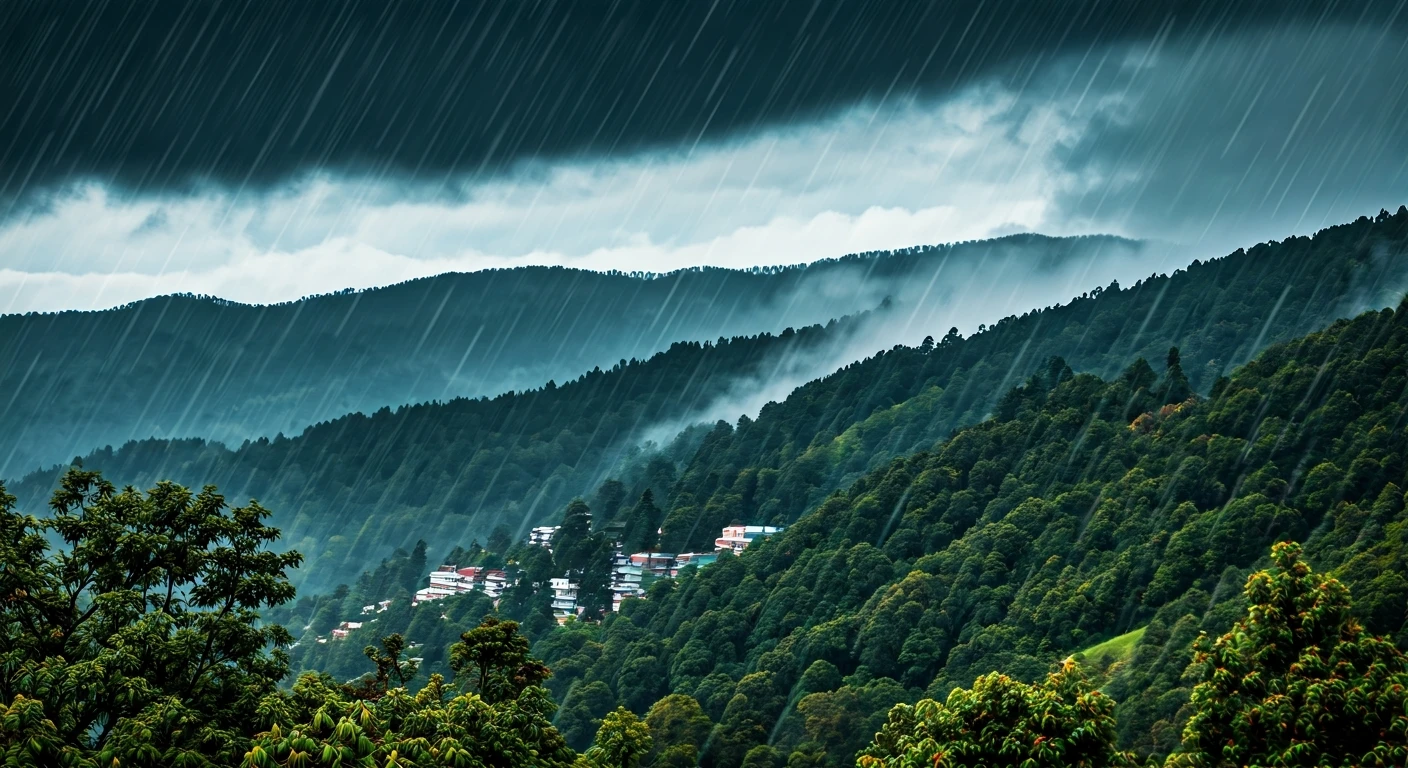
just moments before, can turn a dramatic, bruised purple. The wind picks up, carrying with it the murmur of distant thunder. And then it comes. Not a drizzle, but a deluge. In Mawsynram and Cherrapunji, famously two of the wettest places on Earth, the rain is a constant companion. It drums on tin roofs, turns streets into shallow streams, and falls with such intensity that conversation becomes secondary to the sheer acoustic power of the downpour. This isn't the inconvenient rain of a city commute; it's a cleansing, all-encompassing force that demands you stop, listen, and simply watch.
A Landscape Reborn in Green
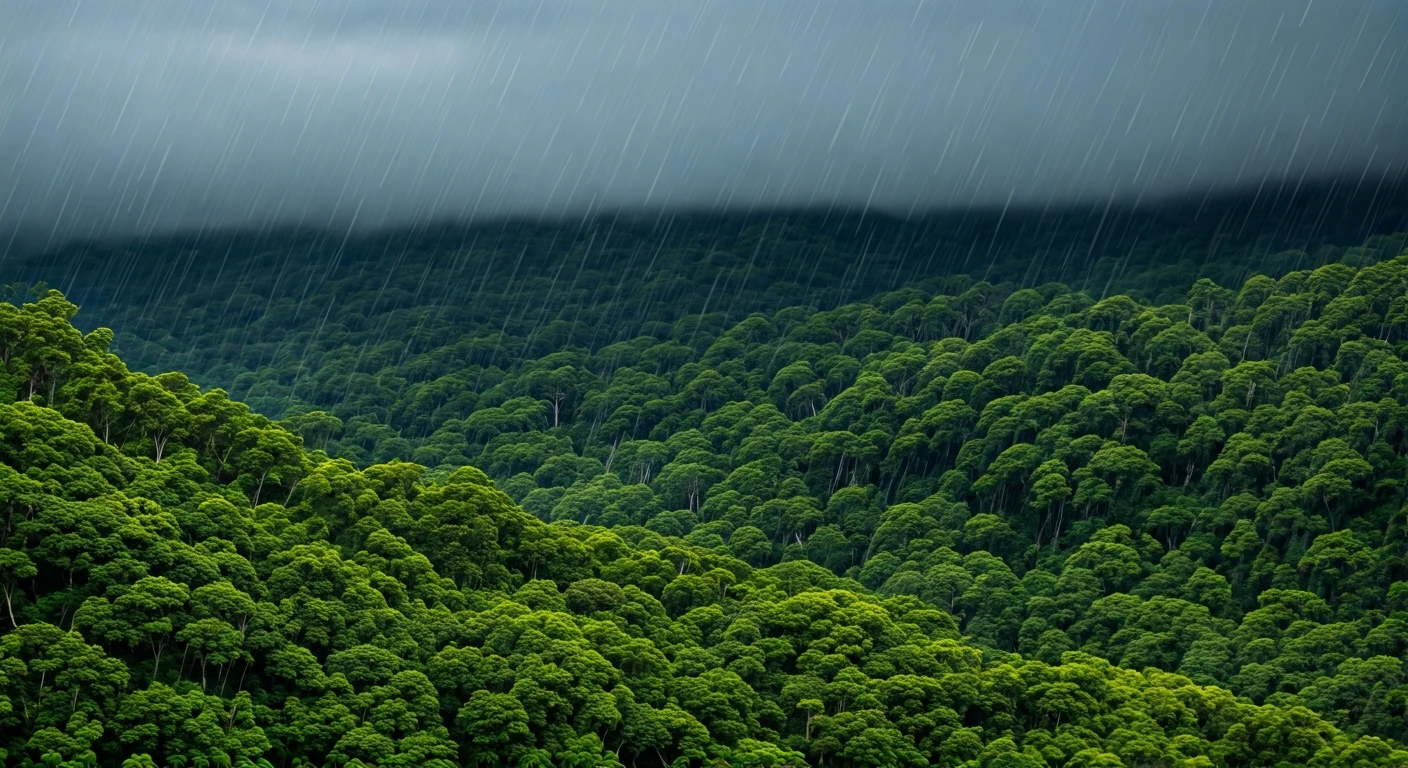
The most immediate effect of the monsoon is the explosion of green. The dust-caked landscapes of the dry season are washed away, revealing a world saturated with color. The rolling hills of Nagaland, the tea estates of Assam, and the valleys of Arunachal Pradesh transform into a vibrant, almost impossibly lush panorama. Ferns uncurl from stone walls, moss carpets ancient trees, and every shade of green, from lime to emerald to deep forest, competes for your attention. Mist clings to the hillsides, creating a mystical, moody atmosphere where entire mountains can disappear and reappear in minutes. Driving along a winding road, you might be enveloped in a thick cloud, only for it to part suddenly, revealing a breathtaking vista of a valley below, shimmering and clean.
Waterfalls in Full Fury
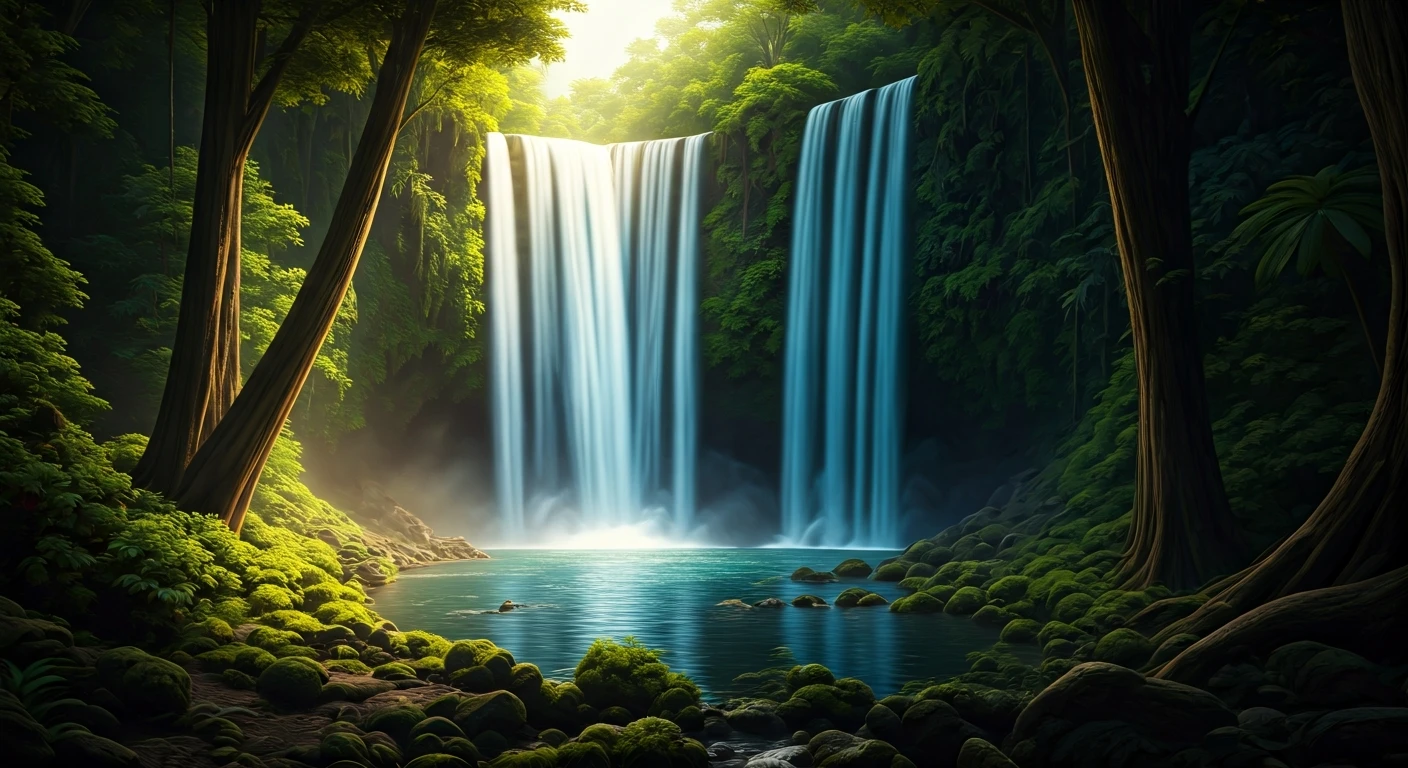
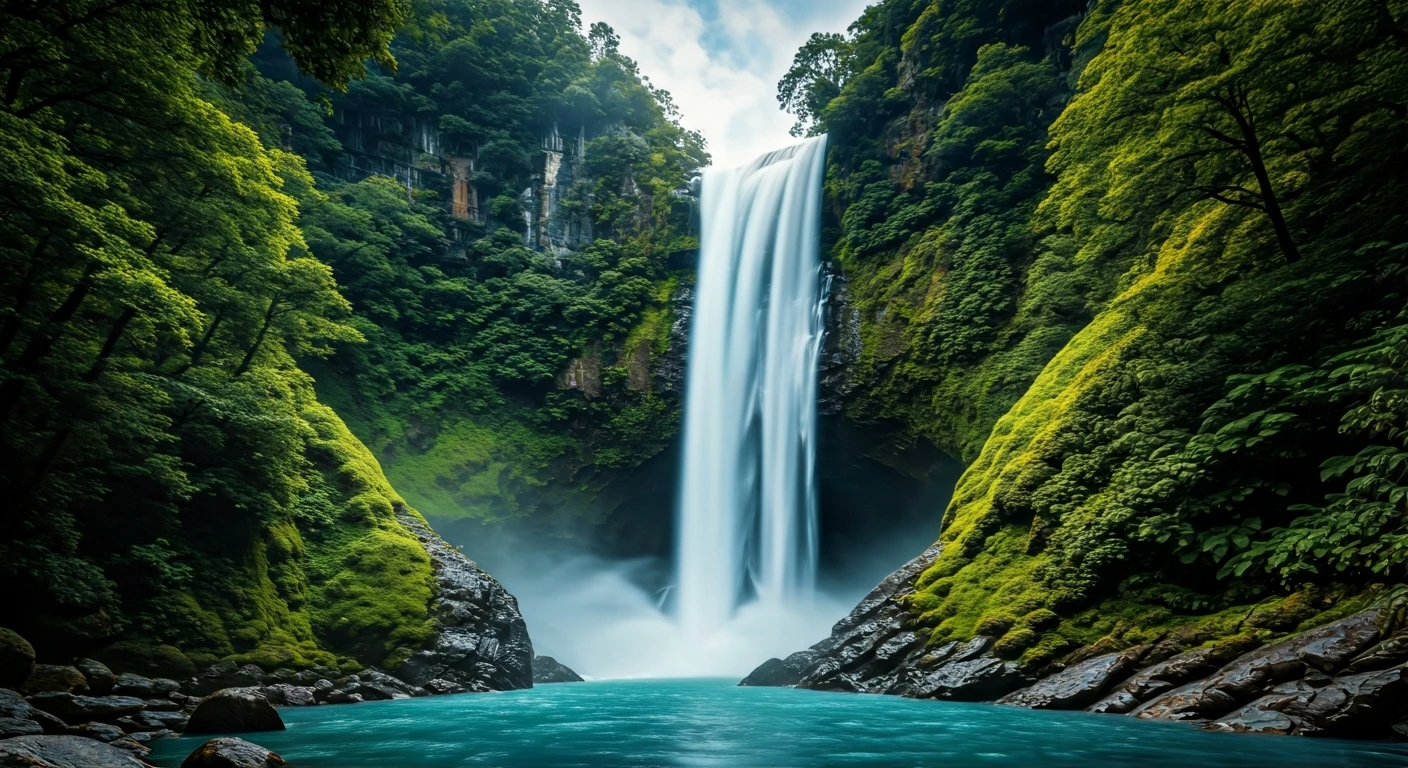
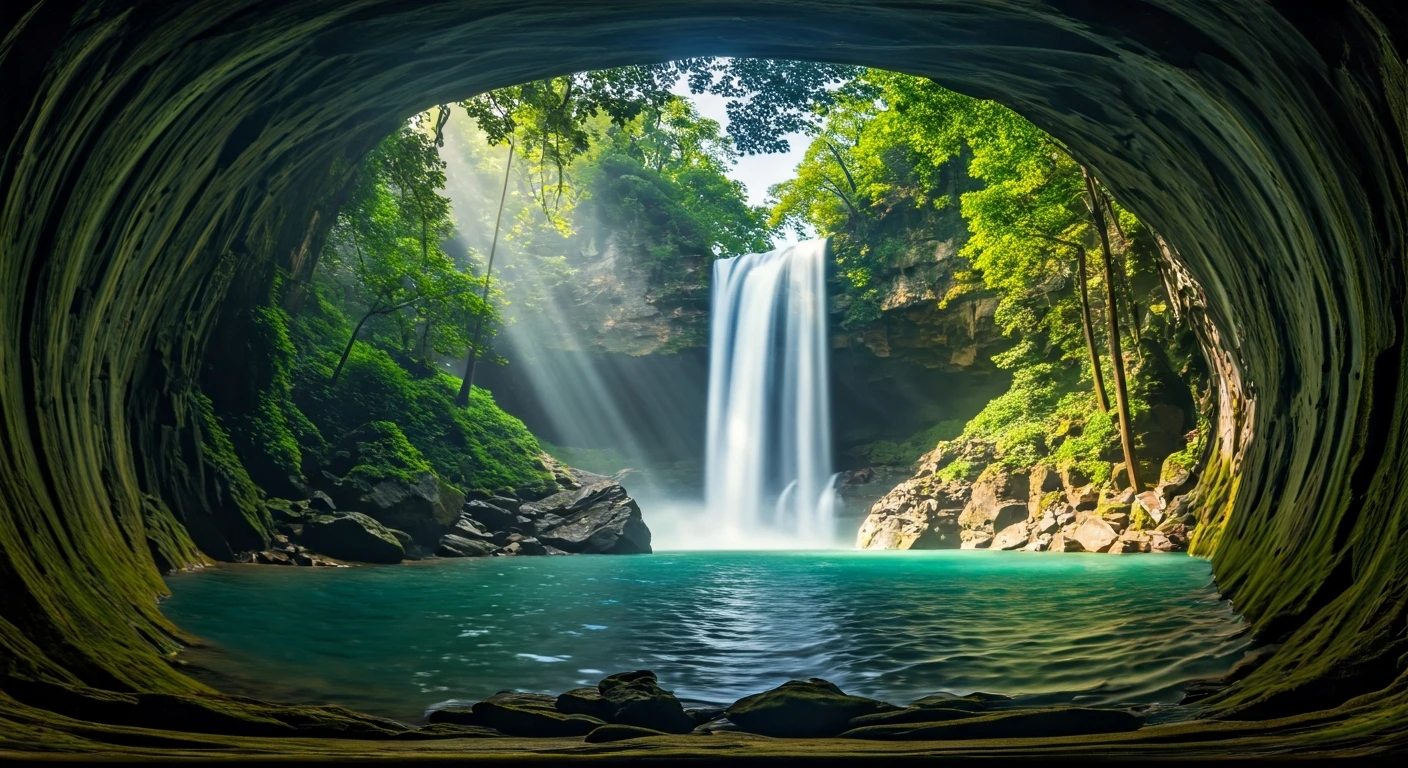
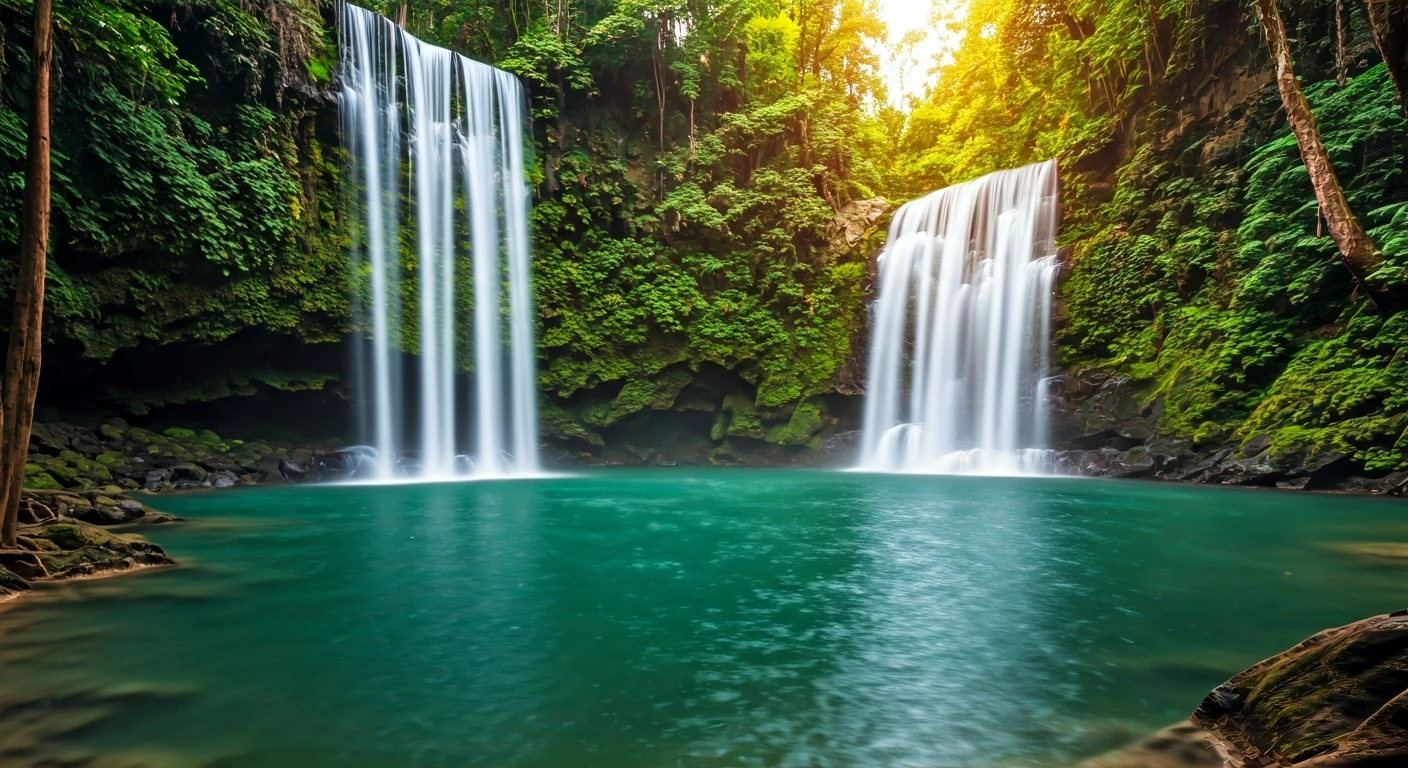
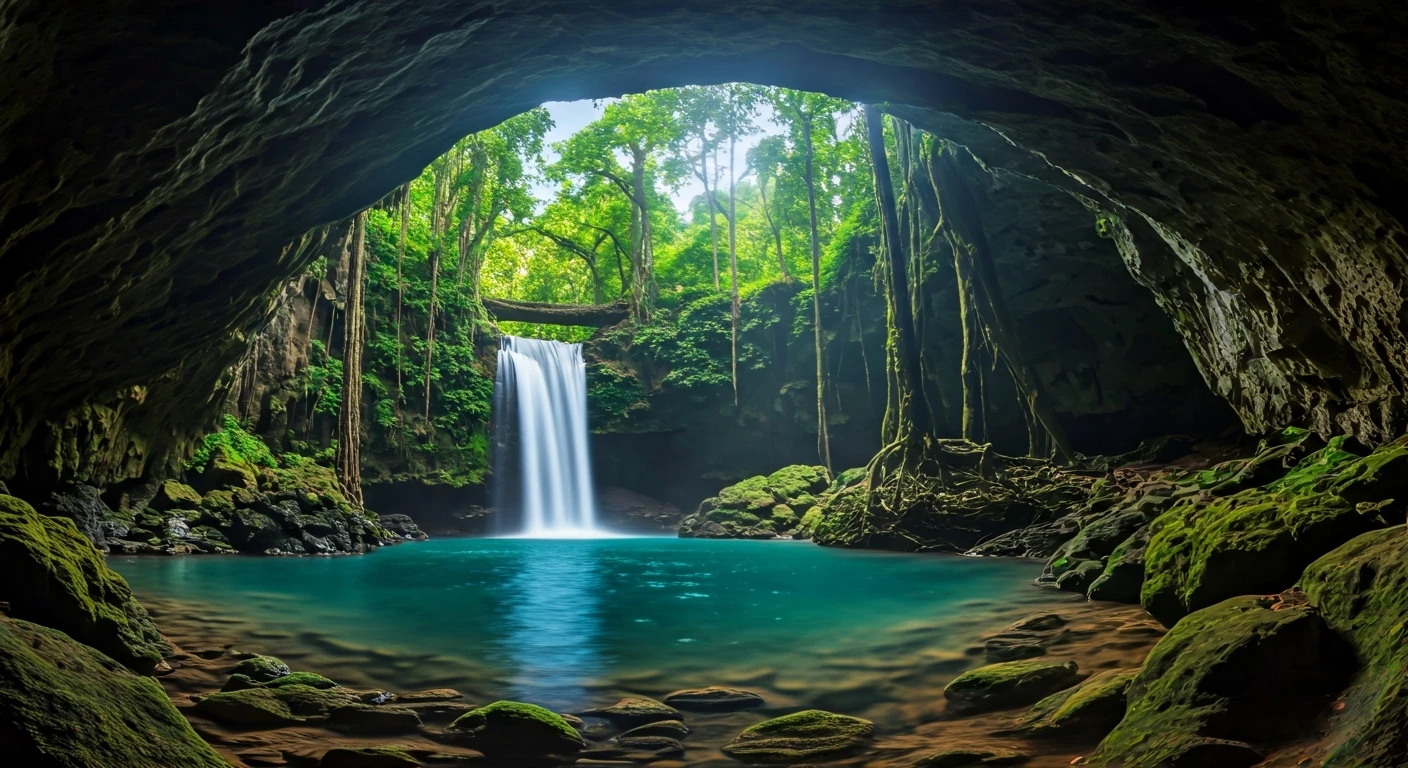
While beautiful year-round, the waterfalls of Northeast India are at their most magnificent during the monsoon. Trickles become torrents. Dry cliff faces suddenly host powerful cascades that thunder into turquoise pools. Nohkalikai Falls in Meghalaya, one of the tallest plunge waterfalls in India, is a prime example. During the monsoon, it’s not just a stream of water but a roaring, furious column that seems to tear a hole in the very fabric of the landscape. Elsewhere, countless other falls appear as if from nowhere, lining the roads and jungles with ribbons of white. The rivers, too, are transformed. The mighty Brahmaputra in Assam swells, reclaiming its floodplains and asserting its dominance over the landscape, a humbling reminder of nature's scale.
The Beauty of the Unpredictable
This is where the adventure truly lies. To travel in Northeast India during the monsoon is to surrender control. A perfectly planned itinerary is a hopeful suggestion at best. A sudden downpour can cause a landslide, blocking a road for hours or even days. A bridge might be temporarily impassable. A trek might be postponed due to slippery conditions. But this unpredictability is not a flaw; it's the defining feature of the experience. It forces a slower, more deliberate pace. You might spend an afternoon in a local tea shop, waiting out the rain and striking up a conversation. You might discover a hidden village because your original route was blocked. This forced spontaneity fosters a deeper connection with the place and its people, who live in harmony with this powerful, seasonal rhythm.