



The Monsoon Shuts the Gates
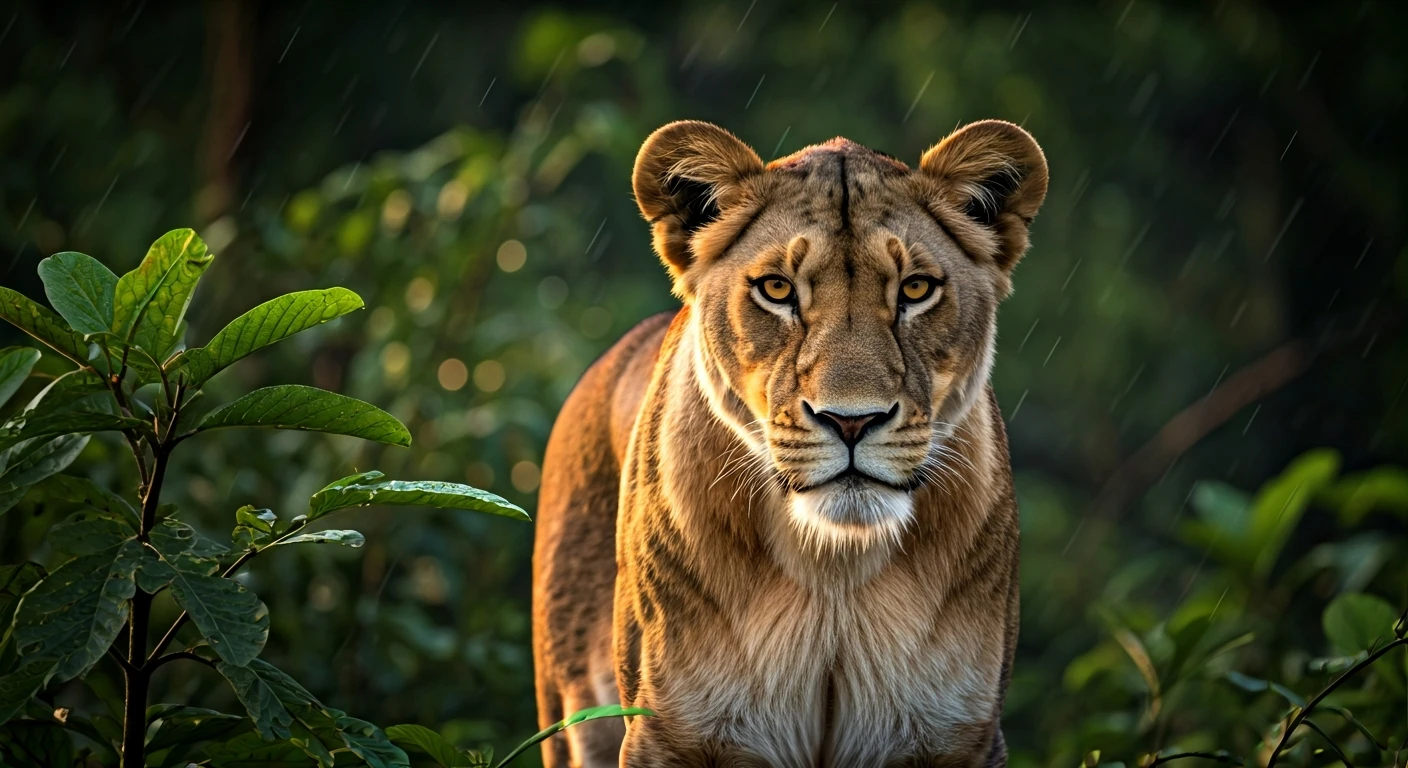
The phrase “last call” isn’t meant to be needlessly dramatic; it’s a practical reality. Every year, from mid-June to mid-October, Gir National Park in Gujarat, India, closes its gates to the public. The arrival of the monsoon rains transforms the dry,
dusty landscape into a lush, impassable wilderness. Roads become muddy tracks, streams swell into rivers, and the entire ecosystem turns inward to rejuvenate. For wildlife officials, it’s a necessary pause that allows nature to reset without human interference. For prospective visitors, it means that early June is the absolute final opportunity to embark on a safari until the park reopens in the fall. This seasonal rhythm makes the weeks leading up to the closure a precious, fleeting time for anyone hoping to witness these magnificent predators in their natural habitat.
A Lion Unlike Any Other
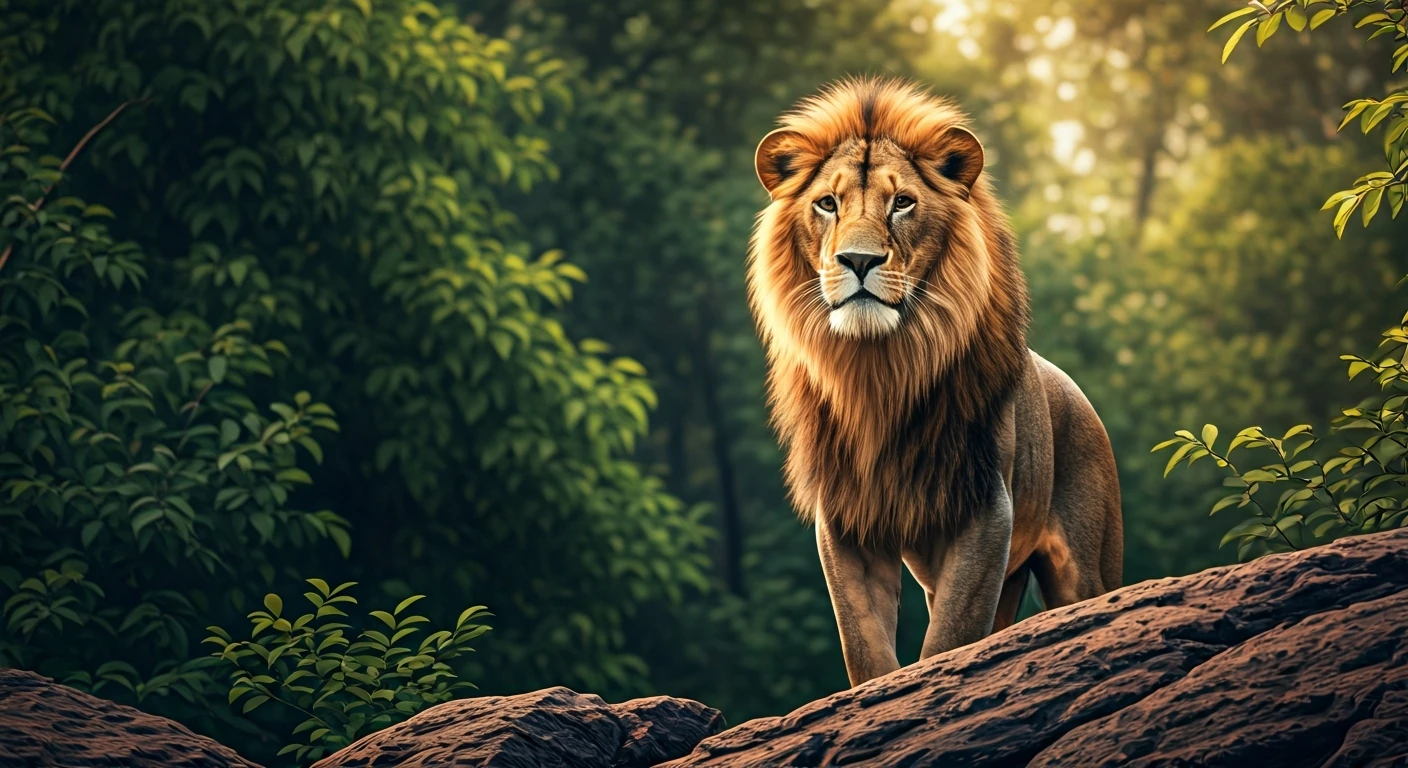
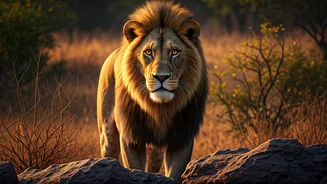
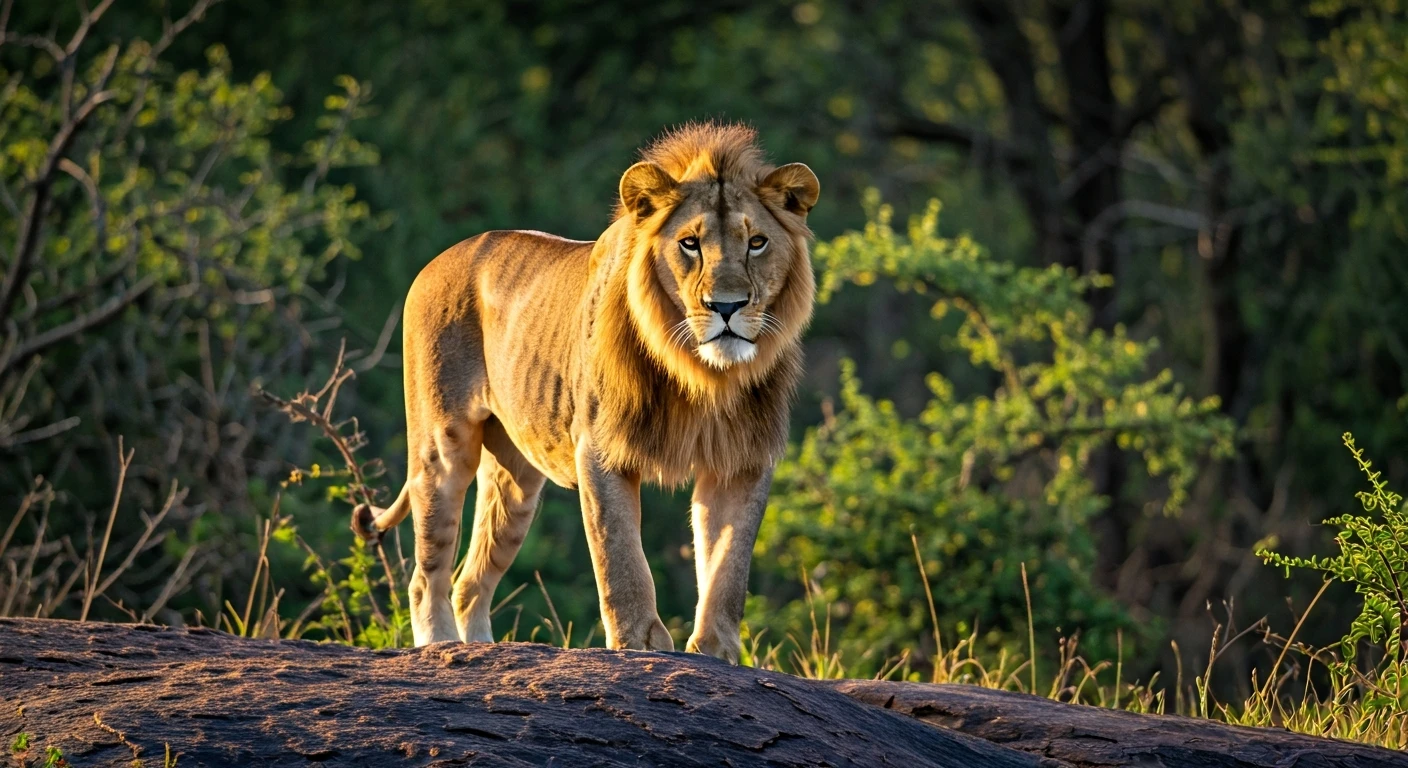
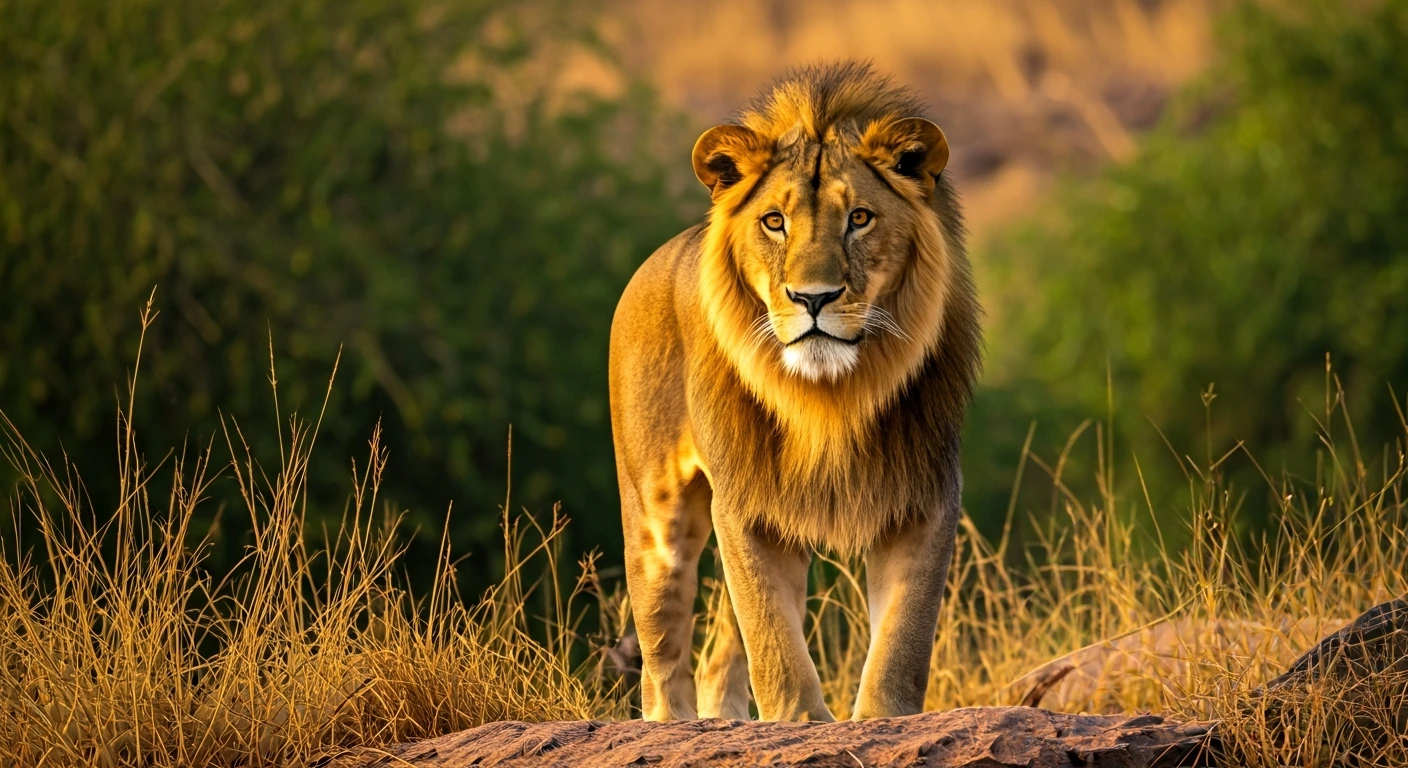
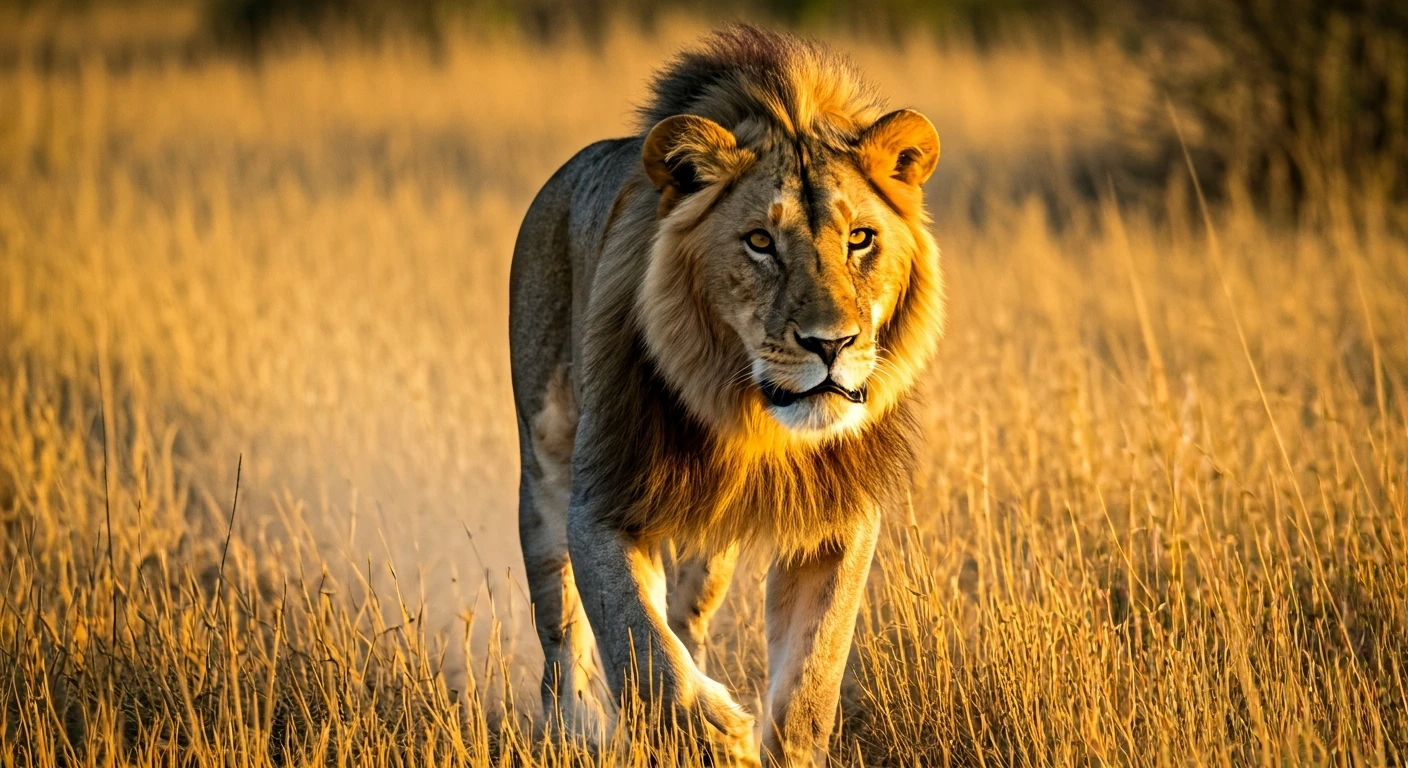
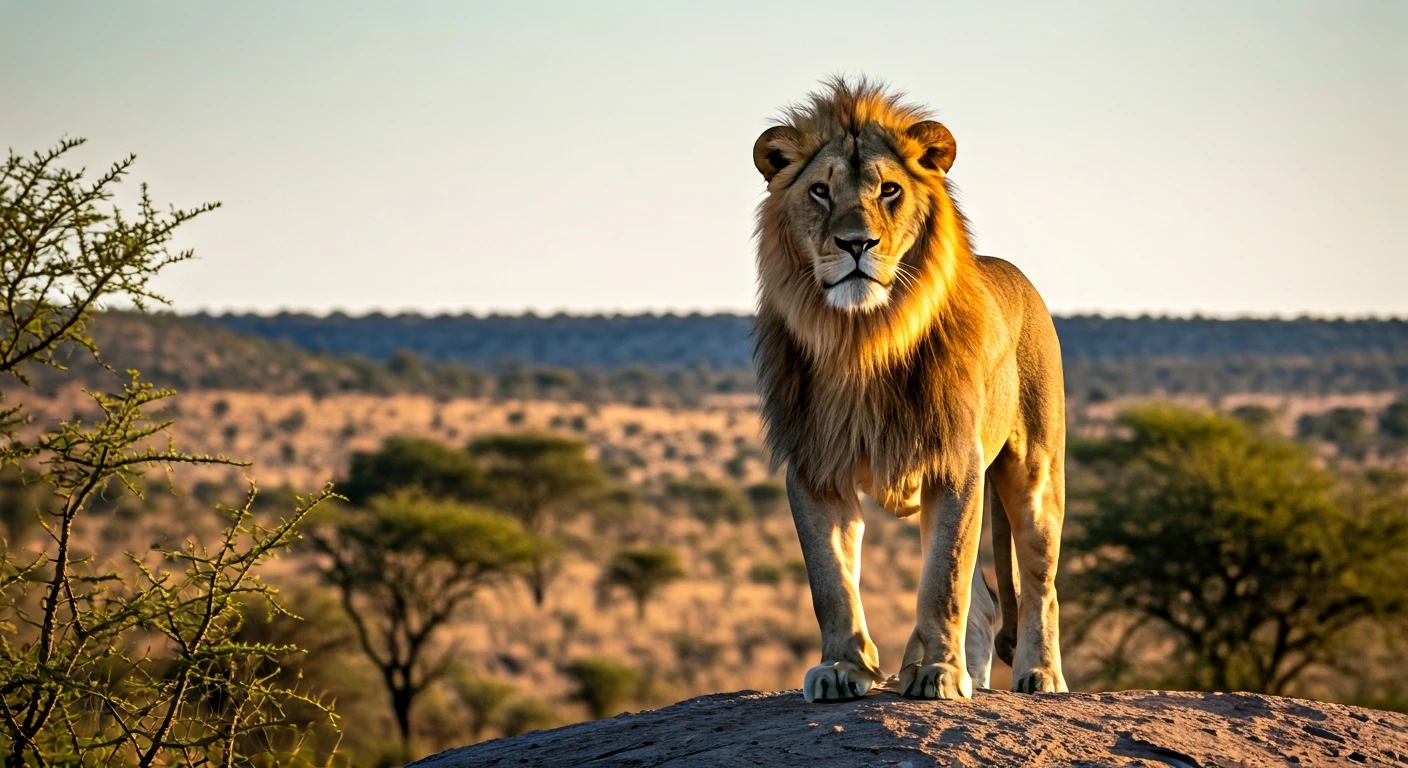
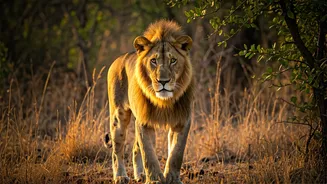
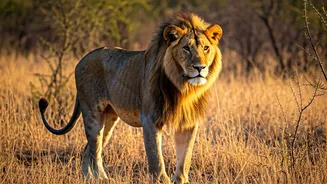
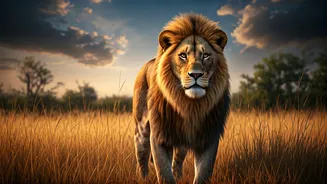
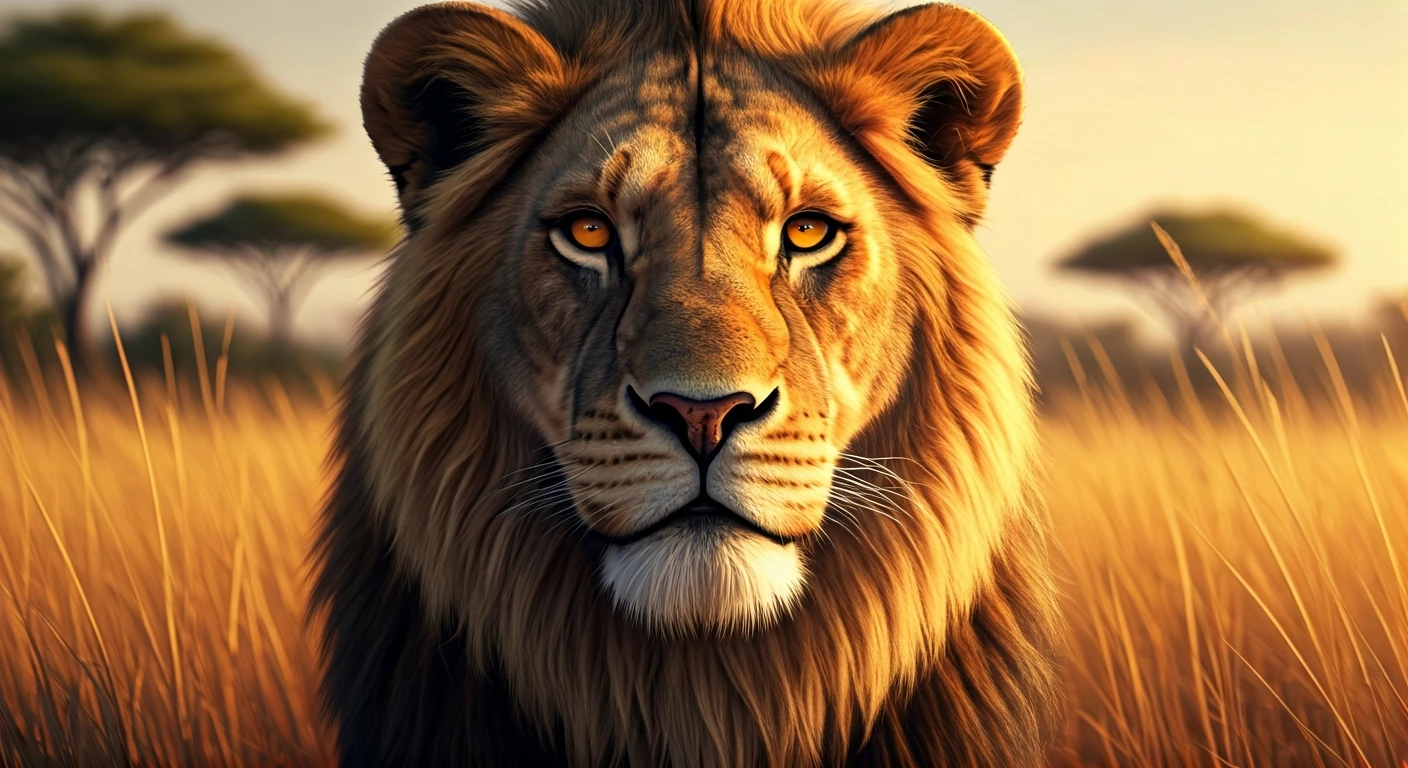
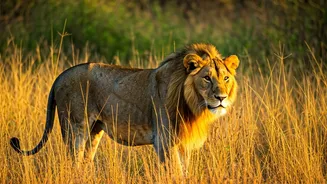
For many Americans, the word “lion” conjures images of the vast savannas of the Serengeti. But the lions of Gir are a different, and arguably rarer, prize. The Asiatic lion (*Panthera leo persica*) is a distinct subspecies, slightly smaller than its African cousin, with a characteristic fold of skin on its belly and a sparser mane that reveals more of its ears. Once, their range stretched from Greece across the Middle East and into India. Today, thanks to centuries of hunting and habitat loss, this single population in Gir Forest is all that remains. Seeing them here is not just a safari; it's a pilgrimage to the last bastion of an ancient lineage. The landscape is also unique—not open grassland, but a mosaic of dry deciduous forest, scrubland, and rocky hills. Spotting a lion here feels more intimate, a glimpse into a secret world.
The Greatest Conservation Comeback
The story of the Asiatic lion is one of the most remarkable conservation successes in modern history. At the turn of the 20th century, relentless hunting had pushed the species to the brink of extinction. By some estimates, fewer than 20 individuals remained, all huddled within the Gir forest, which was then the private hunting ground of the Nawab of Junagadh. In a moment of historic foresight, he declared the area a protected reserve. Over the next century, dedicated conservation efforts by the Indian government and forest department slowly nurtured the population back to health. From a handful of survivors, the count has grown to nearly 700 lions according to the latest census. A trip to Gir is more than just wildlife viewing; it’s witnessing the living, breathing proof that a species can be pulled back from the edge.
The Gir Safari Experience
A safari in Gir is a raw and authentic experience. Visitors climb into open-top 4x4s, known as “gypsies,” for three-hour drives at dawn and dusk, the prime times for wildlife activity. The thrill lies in the uncertainty. While lions are the main draw, the park is teeming with other life. Herds of spotted deer (chital) and sambar graze nervously, while the elusive leopard might be seen slinking through the undergrowth. Crocodiles laze on riverbanks, and the park boasts over 300 species of birds. A crucial part of the Gir ecosystem is the Maldhari people, a semi-nomadic pastoral community that has coexisted with the lions for centuries. Seeing their stone-walled settlements within the park is a powerful reminder that in Gir, the relationship between humans and predators is a complex, time-honored dance, not just a conflict.