
So, What Is It, Exactly?
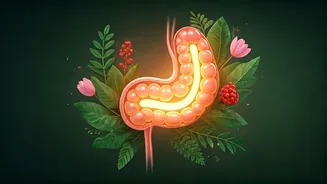
At its core, hormone-friendly nutrition isn’t a restrictive diet with a strict set of rules. Instead, it’s an approach to eating that focuses on supporting the body’s endocrine system—the complex network of glands that produce hormones. These chemical
messengers regulate everything from your mood and metabolism to your sleep cycle and stress response. The central idea is that by choosing certain foods and adopting specific lifestyle habits, you can help these hormones function optimally, potentially easing symptoms like fatigue, mood swings, and irregular cycles that are often chalked up to 'just life.' It's less about weight loss and more about internal balance, aiming to provide your body with the micronutrients it needs to manage processes like insulin response, cortisol (stress hormone) production, and estrogen regulation.
Why Is It So Popular Right Now?
The trend’s explosion can be traced directly to social media platforms like TikTok and Instagram, where creators share personal testimonials and visually appealing recipes. Concepts like 'cycle syncing'—tailoring your diet and exercise to the different phases of your menstrual cycle—have gone viral. This newfound popularity taps into a growing fatigue with traditional, one-size-fits-all diet culture. Many people, particularly women, feel their unique physiological needs have been ignored by mainstream wellness, which has historically focused on a male-centric model. Hormone-focused eating offers a sense of personalized control and body literacy. It empowers individuals to listen to their bodies and connect what they eat with how they feel, moving the conversation from restriction to nourishment.
What Does Hormone-Friendly Eating Look Like?
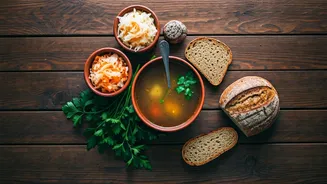
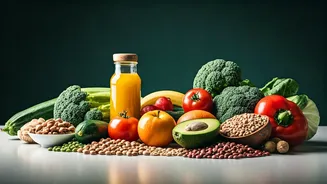
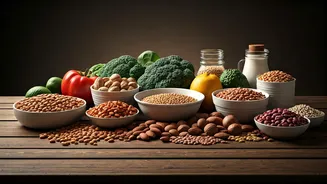
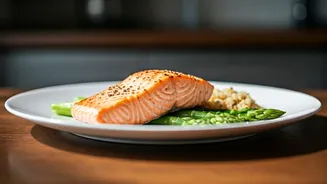
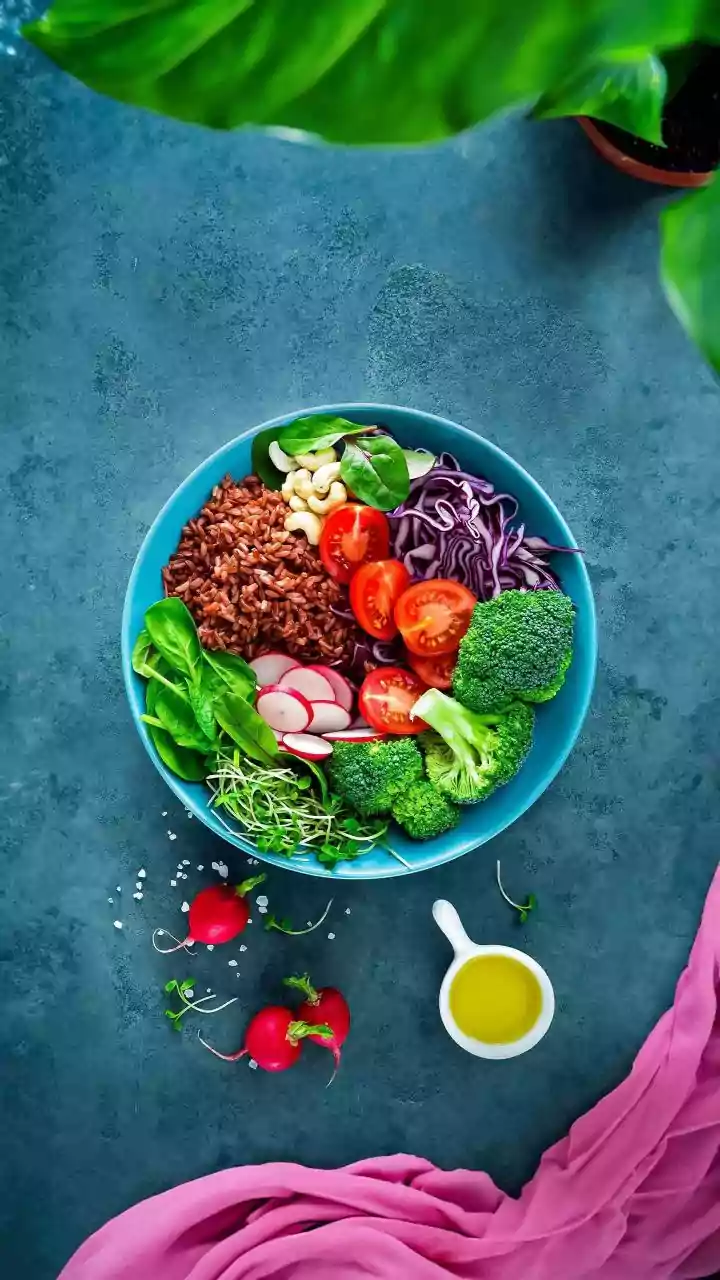
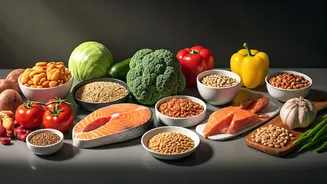
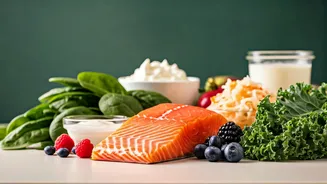
You won't find a single, official 'hormone-balancing diet plan.' Instead, proponents emphasize a set of principles. The foundation is built on whole, unprocessed foods. Think high-quality protein (like fish, eggs, and legumes) to provide amino acids for hormone production, plenty of fiber from vegetables and whole grains to support gut health and estrogen metabolism, and healthy fats (like avocado, nuts, and olive oil) which are the literal building blocks for steroid hormones. Specific recommendations often include cruciferous vegetables (broccoli, cauliflower) to help the liver process estrogen, and seed cycling (alternating between flax/pumpkin seeds and sesame/sunflower seeds) to support hormonal fluctuations throughout the menstrual cycle. The approach also consistently advises limiting ultra-processed foods, refined sugars, and excessive caffeine, as these can spike cortisol and disrupt blood sugar.
The Expert Take: Hype vs. Health
This is where things get nuanced. Most registered dietitians and medical doctors agree that the core tenets of hormone-friendly eating are incredibly healthy. Eating more fiber, protein, and healthy fats while reducing sugar and processed foods is sound advice for nearly everyone. However, experts urge caution about the more specific claims. There is limited large-scale scientific evidence to prove that eating a specific seed at a certain time of the month can definitively 'balance' your hormones. A diagnosis of a true hormonal imbalance, such as a thyroid disorder or PCOS, requires medical testing and a targeted treatment plan from a doctor or endocrinologist. Dietitians warn that while these eating patterns can support overall health, they aren't a substitute for medical care. The consensus is that the general framework is beneficial, but the miraculous claims often seen on social media are an overstatement.