







First, What Is Kombucha?
Before we get into its magical-sounding properties, let’s cover the basics. At its core, kombucha is simply fermented tea. The process starts with sweetened black or green tea, which is then introduced to a SCOBY—a 'Symbiotic Culture Of Bacteria and Yeast.'
This gelatinous, pancake-like disc is the engine of fermentation. The yeast consumes the sugar, producing a small amount of alcohol and carbon dioxide (which gives kombucha its signature fizz), while the bacteria convert the alcohol into organic acids, like acetic acid, which provides its tart, slightly vinegary taste. The end result is a bubbly, tangy beverage teeming with microorganisms, which is where the health claims begin.
The Probiotic Promise
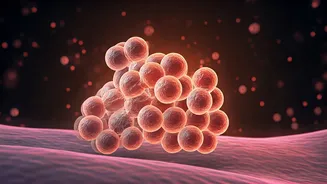
The main reason kombucha has become the darling of the wellness world is its probiotic content. Probiotics are live bacteria and yeasts that are considered 'good' for your digestive system. Your gut is home to trillions of microorganisms—a complex ecosystem known as the gut microbiome. A healthy, diverse microbiome is linked to better digestion, a stronger immune system, and even improved mental health. The theory is that by consuming probiotic-rich foods like yogurt, kimchi, and kombucha, you can help bolster the population of beneficial microbes in your gut, potentially crowding out the 'bad' ones. Since kombucha is a product of bacterial fermentation, it’s a natural source of these helpful little critters.
Myth: An “Instant Gut Reset”
Here's where we need to pump the brakes. The phrase 'instant gut reset' is compelling marketing, but it’s not scientifically accurate. Your gut microbiome is a vast and established community. Changing it for the better is more like tending a garden than flipping a switch. It takes time, consistency, and a holistic approach. One glass of kombucha isn't going to magically erase years of dietary habits or stress-induced gut issues overnight. Think of it this way: you wouldn't expect to get in shape after one trip to the gym. Similarly, improving gut health is a long-term project. There are no instant resets, only gradual improvements.
Reality: A Daily Dose of Good Bacteria
While kombucha won't 'reset' your gut, drinking it regularly *can* be a positive addition to a gut-friendly lifestyle. Consistently introducing beneficial bacteria and the organic acids produced during fermentation may help support digestive health and contribute to a more balanced microbiome over time. Some studies suggest that the antioxidants from the tea, combined with the probiotics, can offer health benefits. Think of it less as a dramatic overhaul and more as a daily contribution. It's one tool in a much larger toolbox that includes eating a high-fiber diet, managing stress, and getting enough sleep. When you see a claim like 'gut reset,' it's more helpful to reframe it as 'gut support.'
Does “Local” and “Daily” Matter?
The 'local' aspect is a nice touch. Supporting a small-batch brewer in your community is great, and their products may be fresher and contain more live cultures than some mass-produced, heavily filtered brands. However, 'local' isn't an automatic guarantee of quality. The most important thing is to choose a brand—local or national—that is unpasteurized (pasteurization kills the beneficial bacteria) and low in sugar. Many commercial kombuchas are loaded with added sugar to make them more palatable, which can counteract the potential health benefits. As for drinking it 'daily,' consistency is key for any supplement or dietary change. But starting with a full glass every day might be too much for some, leading to bloating or digestive discomfort. It’s often better to start with a small amount (say, four ounces) and see how your body reacts before making it a daily habit.