



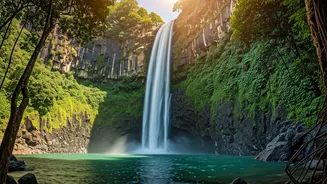


India’s Cascading 'Sea of Milk'
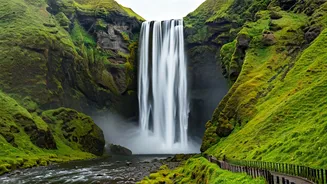
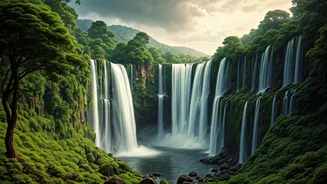
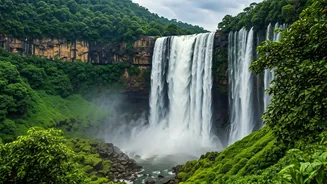
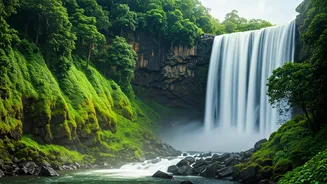
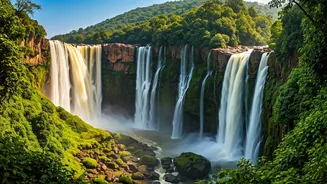
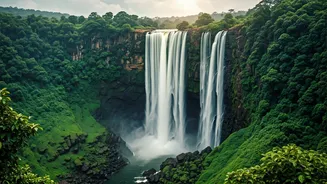
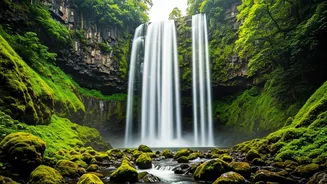
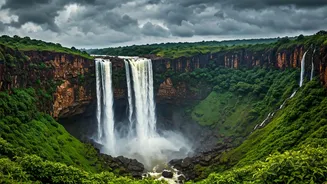
Tucked away in the lush Western Ghats mountain range on the border of Goa and Karnataka, Dudhsagar Falls is one of India's tallest and most revered natural wonders. Its name literally translates to “Sea of Milk,” a poetic nod to the frothy, white appearance
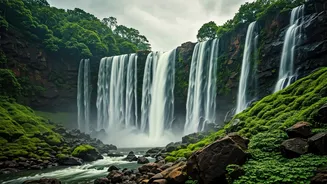
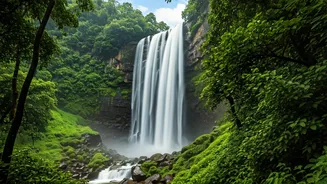
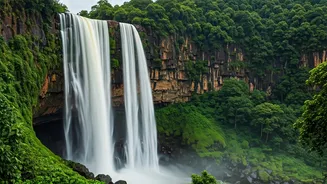
of the water as it cascades down a four-tiered rock face from a staggering height of over 1,000 feet. For much of the year, it’s a beautiful, multi-stream waterfall plunging into a tranquil green pool, surrounded by the dense foliage of the Bhagwan Mahaveer Sanctuary and Mollem National Park. It’s a popular destination for trekkers and nature lovers seeking a scenic escape. But as the dry season ends, the placid giant prepares for a dramatic and breathtaking transformation.
The Monsoon Transformation
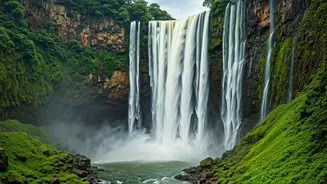
June changes everything. This month marks the official onset of the Southwest Monsoon, a weather system that drenches the Indian subcontinent in life-giving, and often ferocious, rain. For Dudhsagar, this is the start of its peak season. The trickling streams of the dry months converge and swell into a single, thunderous torrent. The volume of water multiplies exponentially, creating a cascade so wide and forceful that it blankets the entire rock face in a thick, opaque curtain of white. This is the “peak waterfall energy” the headline hints at. It’s not just a visual change; it’s an auditory one. The gentle splash becomes a deafening roar that echoes through the valley, and the air grows heavy with a cool, perpetual mist that can be felt from a distance. The serene beauty is replaced by an awe-inspiring display of raw, natural force.
The Most Iconic Viewpoint
What truly sets Dudhsagar apart from other great waterfalls of the world is its unique relationship with the Indian railway system. An active train line, a marvel of colonial-era engineering, crosses directly in front of the falls on a stone arch bridge. For passengers on this route, the journey provides one of the most surreal and spectacular views imaginable. As the train chugs slowly across the bridge, riders are treated to a front-row seat of the monsoon-charged falls. It feels less like looking at a waterfall and more like passing through one. The sheer wall of water crashes down just feet from the train windows, enveloping the carriages in a cloud of spray. This iconic image—a tiny train crossing a bridge against a backdrop of a colossal, roaring waterfall—has made Dudhsagar a bucket-list destination for photographers and travelers from around the globe.
An Adventure in the Wild
Experiencing Dudhsagar up close is an adventure in itself. While the train offers a magnificent fly-by, reaching the base of the falls typically requires a more rugged approach. The most common route involves a bumpy jeep safari through the national park, followed by a short trek to the plunge pool. However, the ferocity of the monsoon often makes this journey challenging and, at times, impossible. Authorities frequently restrict access to the base during the peak of the rainy season due to safety concerns over swollen rivers and slippery trails. This seasonal inaccessibility only adds to the mystique of seeing the falls in their full June glory. The view from the train isn't just a consolation prize; it becomes a privileged, safe way to witness a force of nature too powerful to be approached on foot.