


First, A Quick Tour of Maharashtra
For many Americans, India might conjure images of the Taj Mahal or the ghats of Varanasi. But to the west lies Maharashtra, a state that’s a world unto itself and home to over 125 million people. Its capital, Mumbai (formerly Bombay), is the engine of the nation’s
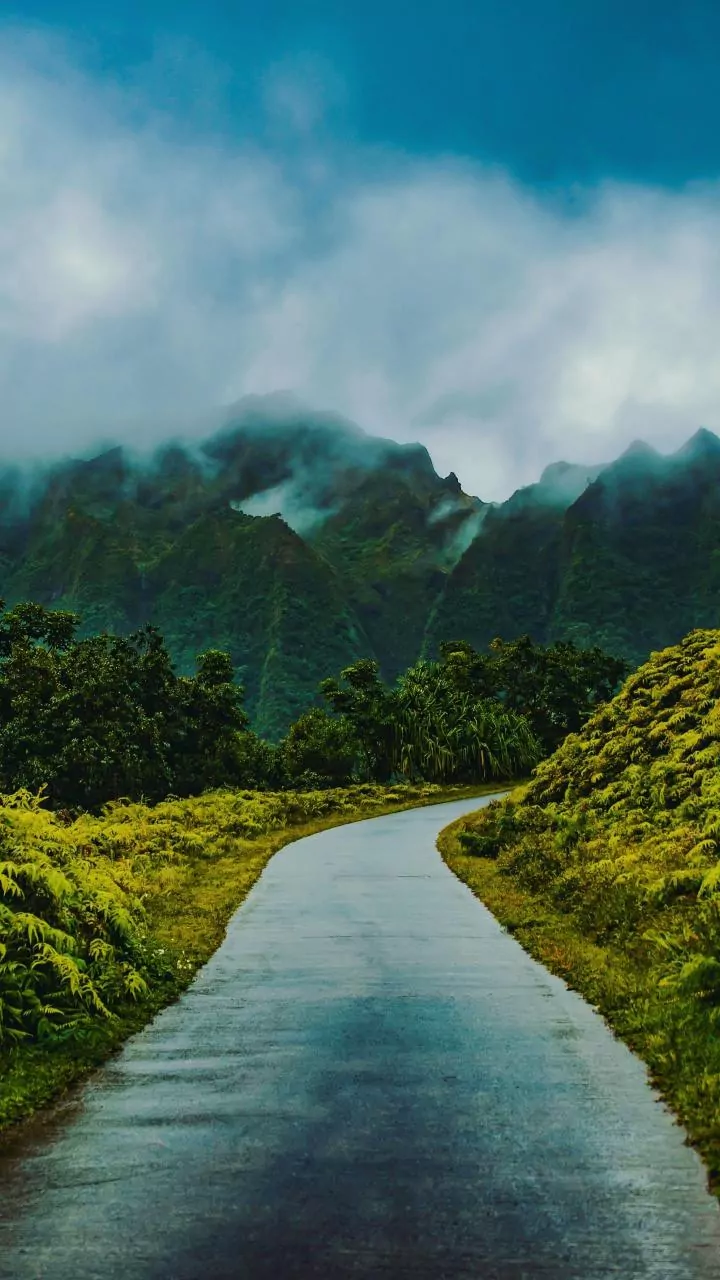
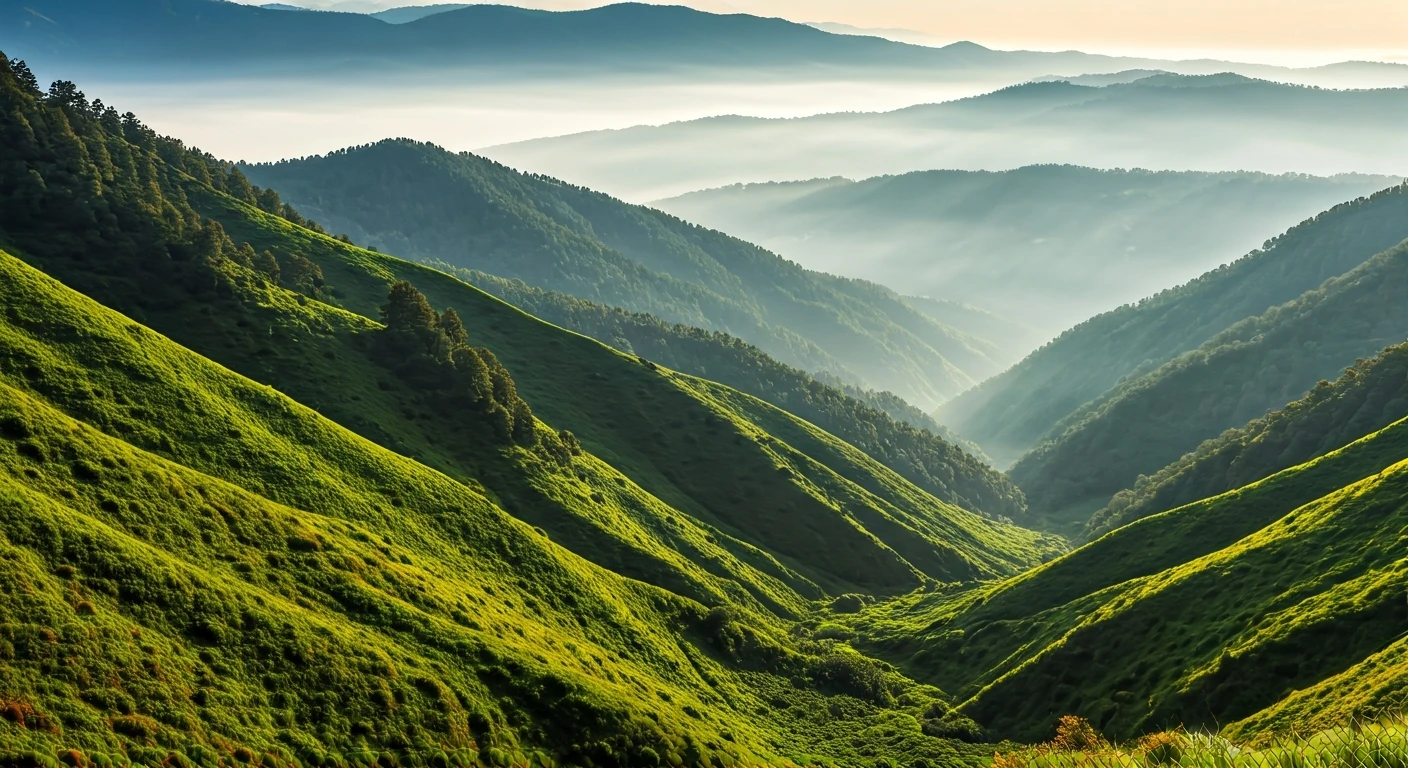
economy and its entertainment industry, Bollywood. But step outside the city, and you'll find a staggering diversity of landscapes. There’s the sun-drenched Konkan coastline, the rugged Sahyadri mountain range (part of the Western Ghats, a UNESCO World Heritage Site), and historical treasures like the breathtaking Ajanta and Ellora caves. It's a region that offers everything from high-octane urban exploration to serene treks and wildlife safaris. It has long been a major destination for domestic tourists, and its appeal to international visitors looking for an experience beyond the typical “Golden Triangle” tour is growing.
The 'Greener' Mandate
In recent years, Maharashtra has been rolling out ambitious environmental policies aimed squarely at its tourism sector. The goal is to combat over-tourism and preserve the natural and historical sites that make the state so special. The most visible change is a war on single-use plastics. In many tourist hotspots, protected forests, and historical forts, carrying plastic bottles, bags, and wrappers is now strictly prohibited, with fines for violators. Beyond plastics, the state is actively promoting eco-tourism. This includes developing designated nature trails, incentivizing rural homestays that offer an authentic, low-impact experience, and pushing for the use of electric vehicles for safaris in its numerous tiger reserves, like Tadoba-Andhari. This “green” shift is a conscious effort to move away from mass tourism and toward a model that values sustainability, ensuring the region’s treasures are protected for generations to come.
So, Where Does It Get 'Trickier'?
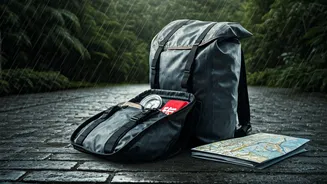
Here's the flip side: all this admirable green policy adds a new layer of complexity to trip planning. The freewheeling, show-up-and-go style of travel is becoming less viable. For example, many popular trekking routes in the Sahyadri mountains now require advance online registration and sometimes mandate hiring a registered local guide. This is to prevent overcrowding and ensure safety, but it kills spontaneity. Visitor numbers are being capped at sensitive sites, meaning you can't just assume you’ll get in. The plastic ban, while excellent in theory, requires foresight from travelers who now need to be diligent about packing reusable water bottles, containers, and bags. For a foreign tourist unfamiliar with the new rules, it’s easy to get caught off guard, facing a fine or being denied entry to a park because of a disposable water bottle in their backpack. The logistics have simply become more involved.
Caravans and the New Way to Travel
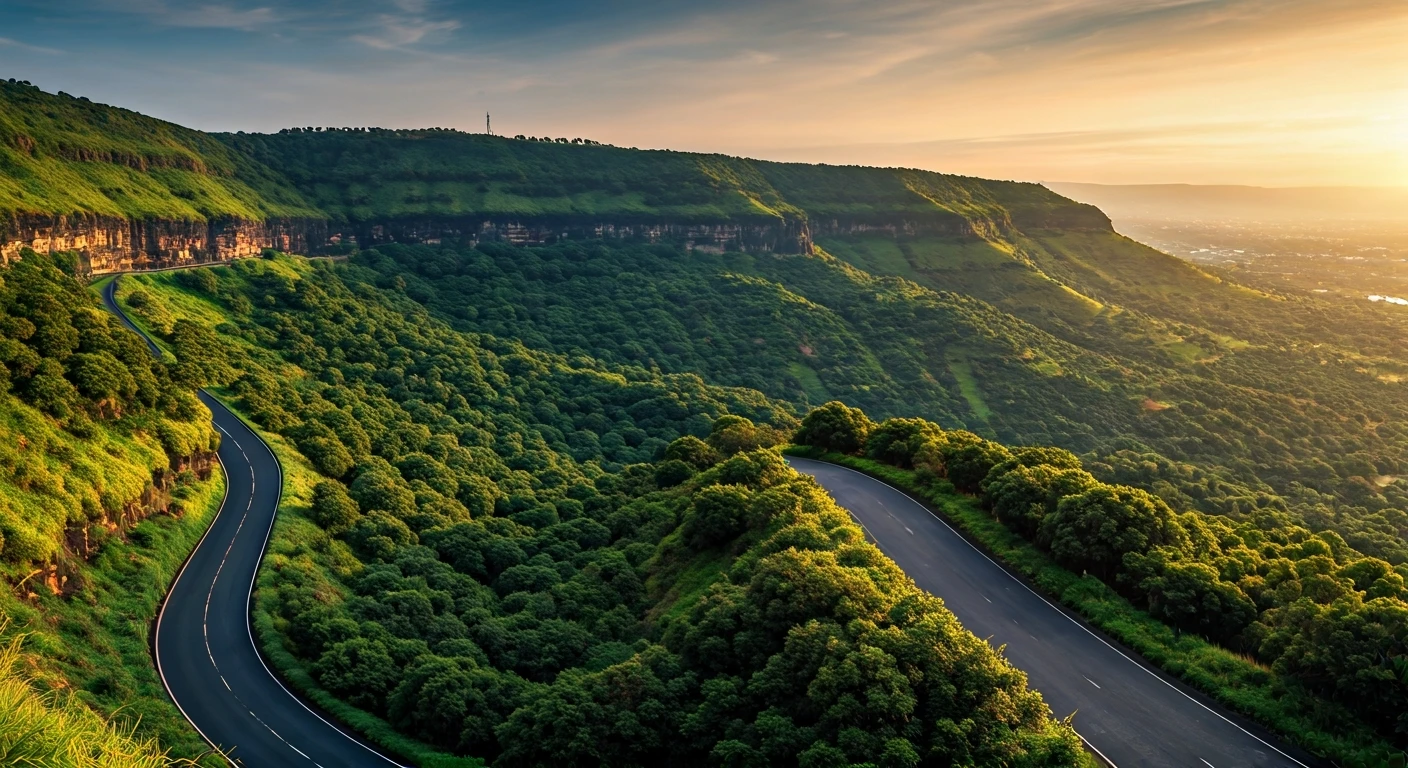
One of the most interesting developments is the state’s official “Caravan Tourism” policy. Recognizing the appeal of road trips and self-contained travel, the government is encouraging the creation of campervan and RV-friendly infrastructure. This includes designated parking spots, or “caravan parks,” with essential amenities like water, electricity, and waste disposal. This initiative perfectly captures the “greener and trickier” dynamic. Renting a caravan offers a unique, flexible way to explore remote coastlines and mountain roads with a lower environmental footprint than staying in a series of large hotels. However, it also requires a higher degree of self-sufficiency, navigational skill, and planning. It’s a mode of travel that puts the responsibility squarely on the traveler, trading convenience for freedom and a deeper connection to the landscape.