


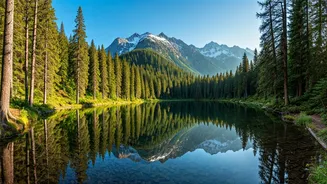


More Than Just a Cabin in the Woods
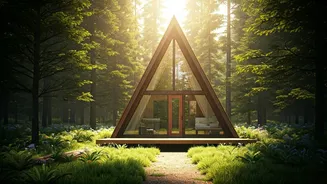
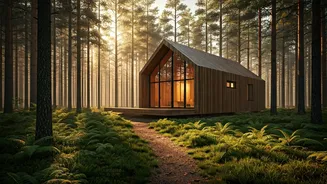
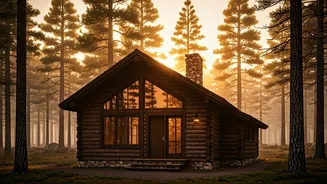
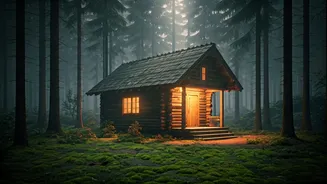
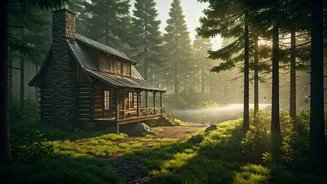
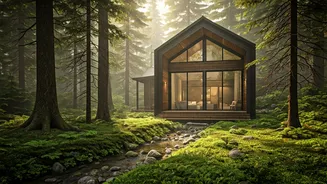
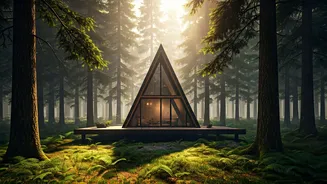
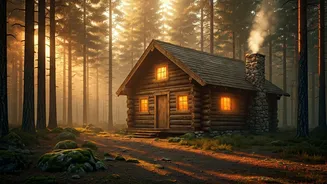
Forget the dusty, forgotten cabins of summer camp lore. The modern 'forest stay' is an intentionally designed experience. Think minimalist tiny homes with massive picture windows, beautifully restored A-frames with Scandinavian décor, or geodesic domes
that let you sleep under the stars. This isn't about 'roughing it'; it's about 'smoothing it.' The core idea is to provide the immersion of camping with the comforts of a boutique hotel. You get the crisp forest air, the scent of pine, and the sound of rustling leaves, but you also get a comfortable mattress, a hot shower, and a well-equipped kitchenette for brewing that perfect morning coffee. It’s a curated escape, designed to make nature accessible and restorative for everyone, not just seasoned backpackers.
The Rise of 'Forced Relaxation'
A key driver of this trend is the intentional disconnection it offers. Many of the most popular forest stay companies, like Getaway and AutoCamp, build their model around the digital detox. Cabins often come equipped with a lockbox for your phone and pointedly lack Wi-Fi. Instead of a television, you’ll find a small library of books, a deck of cards, and a fire pit with everything you need to get a blaze going. In a world of constant notifications and endless scrolling, this 'forced relaxation' feels less like a restriction and more like a luxury. It’s a permission slip to do nothing—to read a book, to stare into the fire, to simply sit and listen to the sounds of the forest without the guilt of being unproductive. This deliberate unplugging is a powerful antidote to modern burnout.
Tapping into 'Forest Bathing'
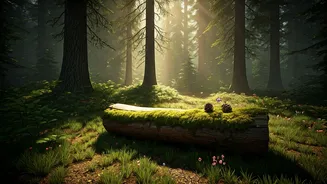
While the aesthetic is new, the philosophy is ancient. The forest stay trend taps directly into the Japanese practice of *shinrin-yoku*, or 'forest bathing.' Developed in the 1980s, shinrin-yoku is not about exercise but about simply being in nature and connecting with it through our senses. Scientific studies have shown that spending mindful time in a forest can reduce stress hormone production, lower blood pressure, and improve mood. By placing design-forward, comfortable shelters deep within natural landscapes, these stays offer a perfect home base for practicing shinrin-yoku. You don’t need to go on a grueling hike; you just need to step outside your door and be present. The trend’s popularity signals a collective yearning for this kind of simple, profound wellness.
An Instagrammable Escape
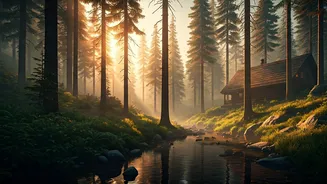
Let’s be honest: aesthetics play a huge role. The visual appeal of a perfectly symmetrical A-frame against a backdrop of towering pines is undeniable. These spaces are catnip for social media, and their photogenic nature has undoubtedly fueled their popularity. A quick search for #cabinlife or #foreststay reveals millions of images of cozy interiors, misty morning views, and crackling fires. But this isn't just vanity. For many, the visual harmony of the space contributes to the overall sense of peace and order. The clean lines, natural materials, and uncluttered design of the cabins mirror the mental clarity travelers are seeking. It’s a vacation that looks as good as it feels, creating a shareable fantasy that inspires others to seek their own escape.
How to Find Your Forest Stay
Ready to trade city noise for birdsong? The market has exploded with options. Companies like Getaway have outposts near major U.S. cities, offering a standardized and reliable tiny cabin experience. For a more unique, one-off stay, platforms like Hipcamp and Airbnb now have dedicated 'cabin' and 'A-frame' filters, revealing thousands of independent rentals. For a more luxurious experience, AutoCamp offers custom Airstreams and modern cabins with clubhouse-style amenities near national parks. The key is to decide what level of isolation and amenity you’re looking for. Do you want to be completely off-grid, or would you prefer to be a short drive from a charming small town? Whatever your preference, your perfect woodland retreat is likely just a few clicks away.