
A Land Locked in Time
Tucked away in the northern Indian state of Himachal Pradesh, Spiti Valley is a world apart. Its name translates to "The Middle Land," a fitting title for the sliver of high-desert territory that lies between India and Tibet. Geographically and culturally,
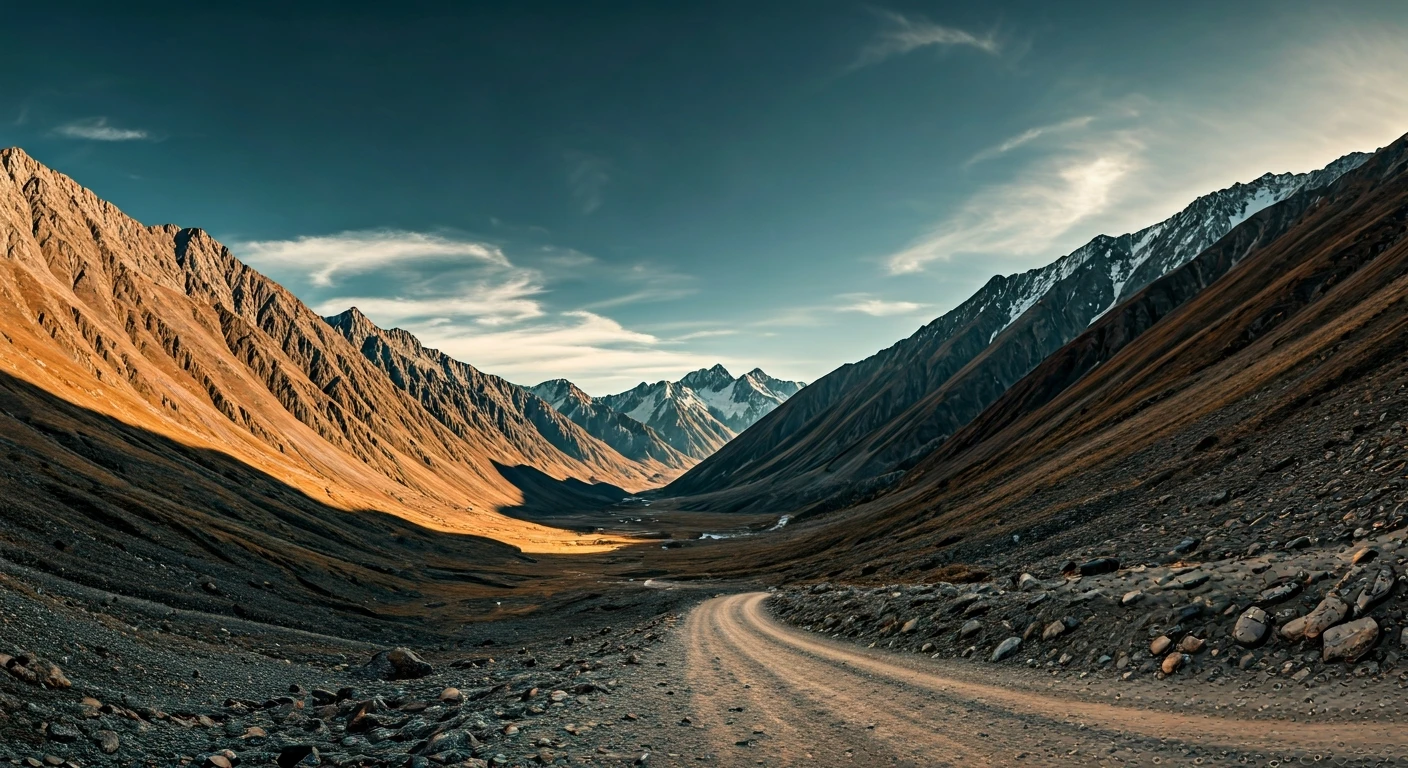
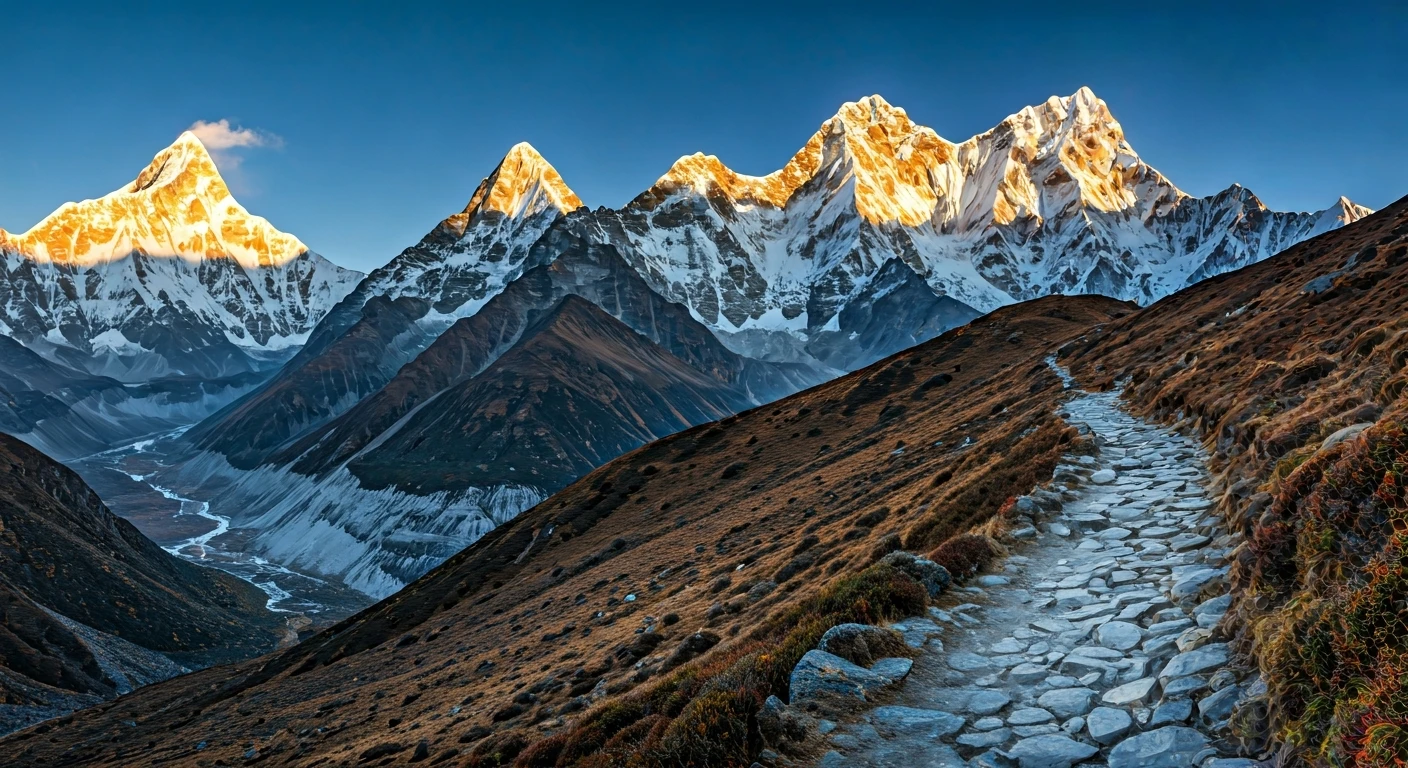
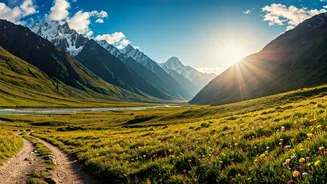
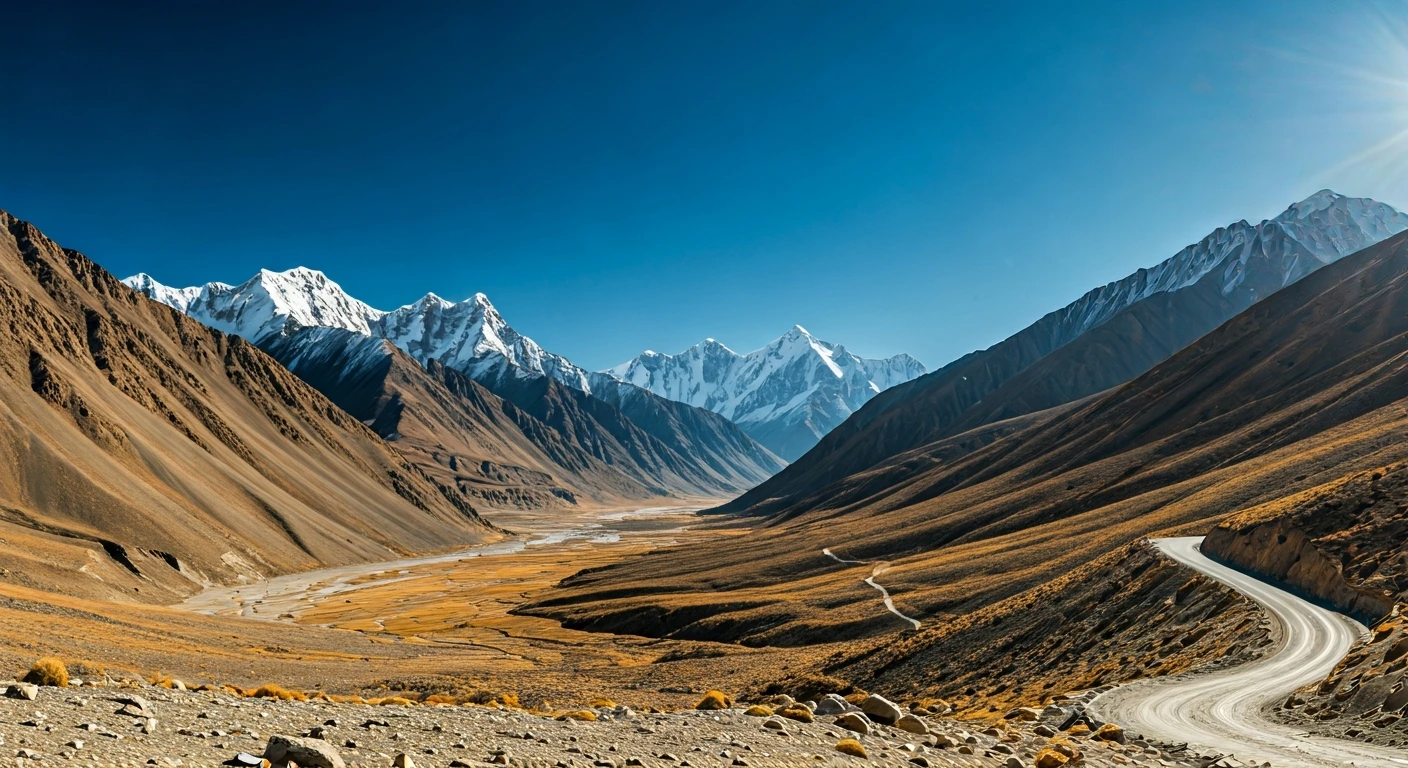
it has more in common with its Tibetan neighbor than with the lush, green valleys of mainland India. This is a cold desert, where the average elevation hovers around 12,500 feet. The air is thin, the sun is sharp, and the landscape is a stunningly stark panorama of barren mountains, deep gorges, and braided rivers. For centuries, this region was almost completely isolated, accessible for only a few months a year. That very isolation is now its primary draw, offering a silence and solitude that has become the ultimate modern luxury.
The Journey Is the Destination
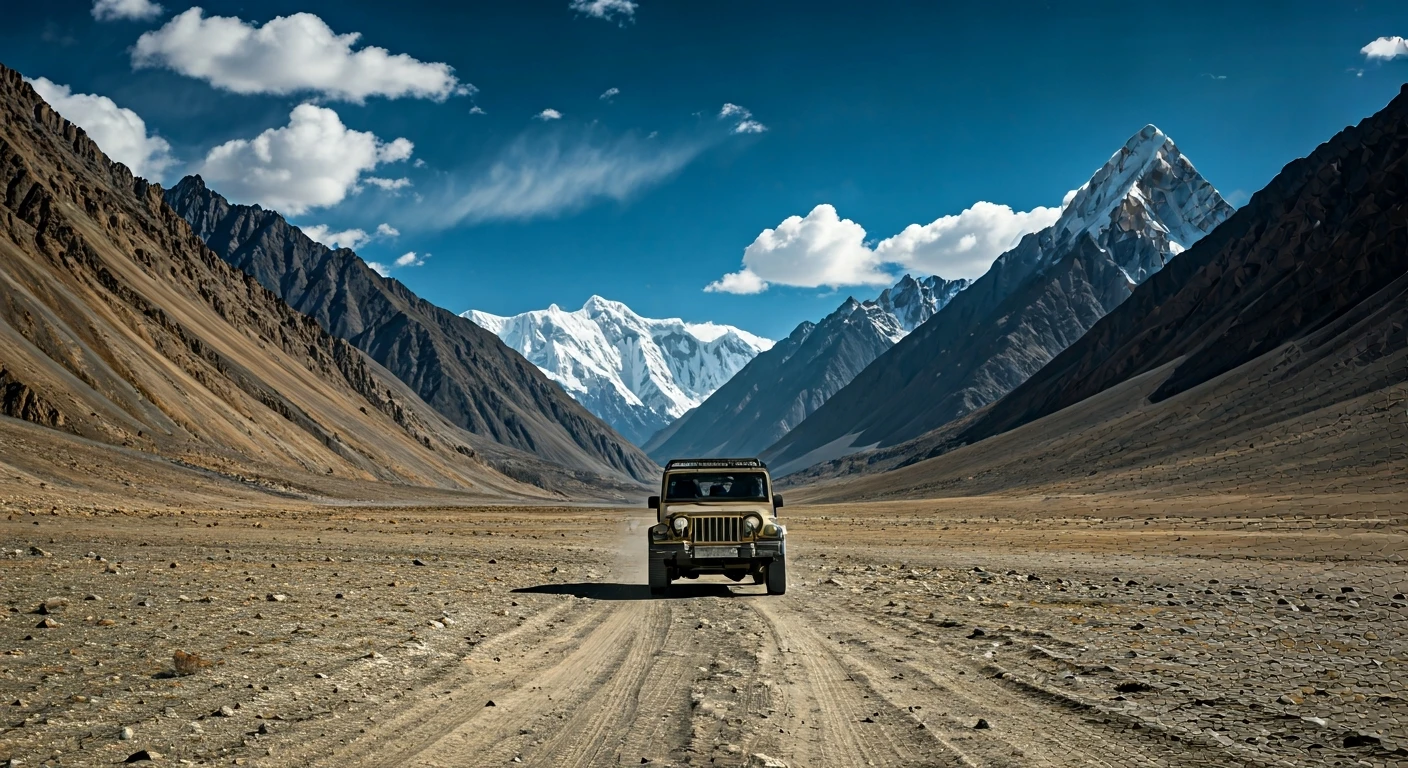
Getting to Spiti is an adventure in itself, a rite of passage that weeds out the casual tourist from the committed traveler. There are two main routes. The most popular, and arguably more dramatic, is the 125-mile road from Manali. This route crosses two of the world’s highest motorable passes, Rohtang and Kunzum La, and is only open from roughly June to September. It’s a bone-rattling, breathtaking journey over unpaved roads, past glacial melts, and through the infamous “water crossings” (streams flowing over the road). The alternative is a longer, more gradual ascent from Shimla, which stays open for more of the year. Whichever path you choose, the drive into Spiti is a slow, deliberate immersion into a landscape that demands respect. For the legions of motorcyclists who make the pilgrimage, the ride is the whole point—a test of endurance and a rolling meditation through the Himalayas.
Monasteries Clinging to Cliffs
The starkness of the land is punctuated by pockets of profound spirituality. Spiti is a vibrant center of Tibetan Buddhism, and its ancient monasteries are the cultural and spiritual heart of the valley. The most iconic is Key Gompa, a whitewashed monastic complex that seems to grow organically from a conical hilltop, looking like something out of a fantasy epic. Inside, narrow corridors lead to prayer halls filled with the scent of butter lamps and the sound of chanting monks. Then there is Tabo Monastery, a UNESCO World Heritage site founded over a thousand years ago. Known as the "Ajanta of the Himalayas," its unassuming mud-brick walls hide a treasure trove of ancient frescoes and sculptures. Visiting these places isn't just sightseeing; it's stepping into a living history, a world where faith is as solid as the mountains themselves.
The New Frontier for Adventure
So why is Spiti capturing the imagination of adventure crowds right now? Because it offers something increasingly rare: a genuinely challenging and authentic experience. In an age of curated travel, Spiti remains raw and unpredictable. It’s a place for self-sufficient trekkers hoping to spot a snow leopard, for stargazers seeking the Milky Way in unparalleled clarity, and for anyone yearning to disconnect. The adventure here isn't just about physical activity; it's about adapting to the altitude, navigating the rugged terrain, and connecting with a culture that has thrived in one of the world's harshest environments. Villages like Kibber and Langza offer homestays, providing a simple, unfiltered look into Spitian life. This combination of physical challenge, natural beauty, and cultural immersion is exactly what today’s experience-hungry traveler is looking for.