

From Gadgets to Ecosystems
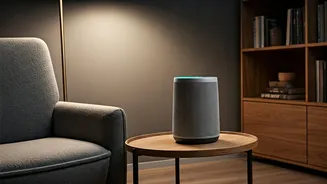
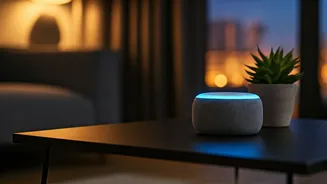
The evolution of the smart home has been rapid. It started with standalone novelties: a smart speaker that could play music, a thermostat you could control from your phone, a doorbell with a camera. These were accessories you added to your existing home.
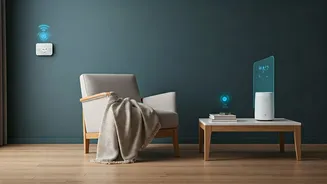
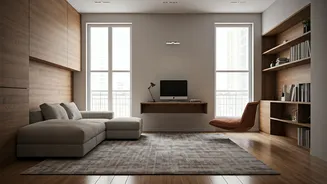
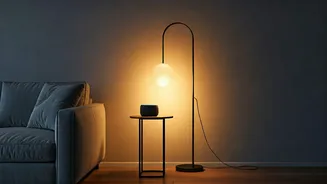
Fun, but often disjointed. The shift we're seeing now is from a collection of gadgets to a cohesive, integrated ecosystem. It's no longer about what a single device can do, but how the entire home functions as one intelligent system. This fundamental change means that technology can’t be an afterthought. You can’t just buy a new sofa; you have to consider if you need a floor outlet with a USB-C port nearby. You’re not just picking light fixtures; you’re designing a lighting system that can adapt to your mood, the time of day, and even the movie you're watching. This holistic approach demands that technology be considered from the very beginning of any design or renovation process, right alongside flooring and furniture.
The Rise of 'Invisible Tech'
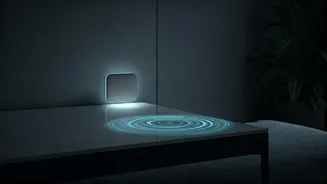
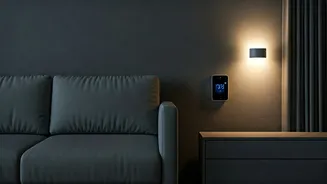
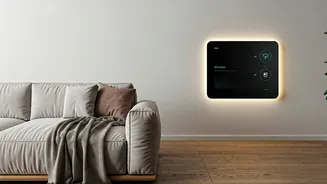
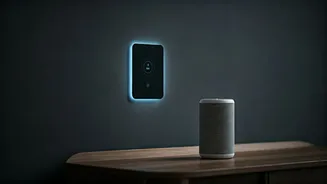
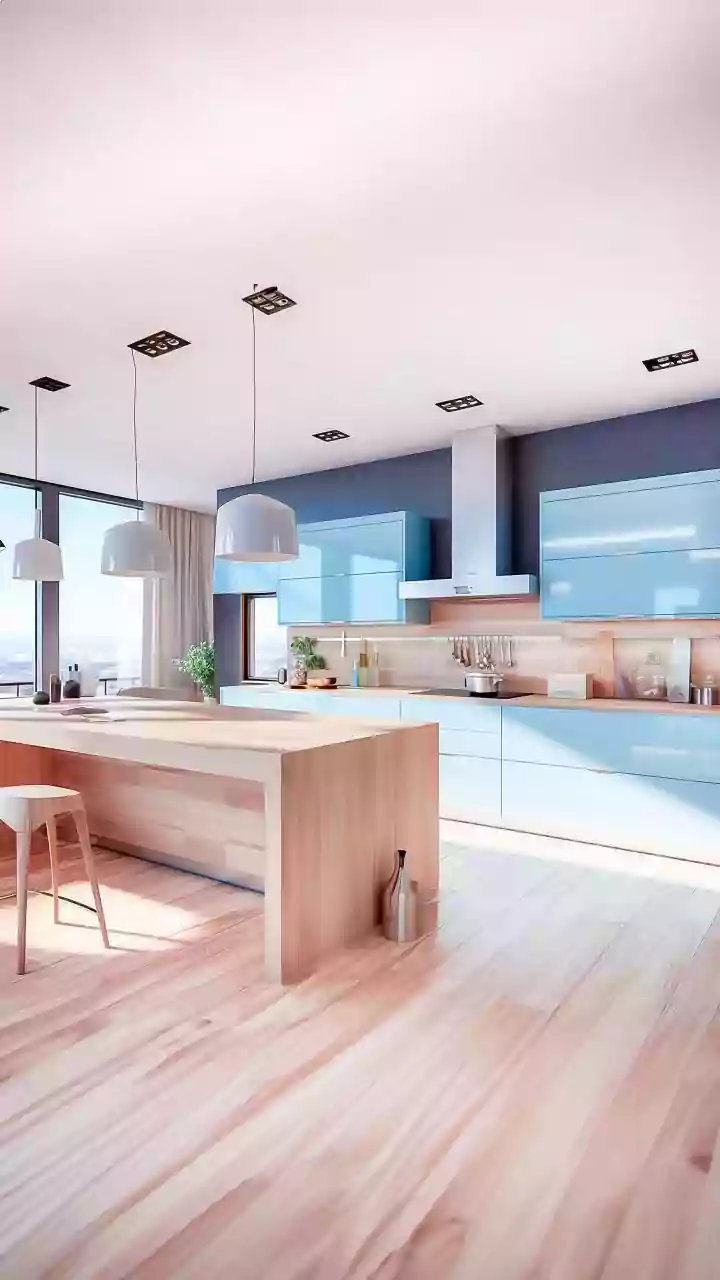
A key driver of this trend is the design philosophy of “invisible tech” or “ambient computing.” The goal is for technology to be felt but not seen. Homeowners and designers are rejecting the visual clutter of exposed wires, bulky black boxes, and mismatched devices. Instead, the most desirable smart features are the ones that blend seamlessly into the decor. Think in-wall speakers that are plastered over and painted to become completely invisible, delivering high-fidelity audio without a single grille in sight. Consider motorized shades that are housed in subtle window casings, silently adjusting to manage sunlight throughout the day. Or smart switches that replace a clunky bank of five toggles with a single, elegant, programmable keypad. This aesthetic demand has forced tech companies to become more like design companies. Products like Samsung's “The Frame” TV, which displays art when not in use, are prime examples of technology designed to disappear into its surroundings, making it an object of decor rather than a distracting black screen.
The Designer as Tech Consultant
This convergence has profoundly changed the role of the interior designer and architect. A decade ago, their job was primarily about space, light, and materials. Today, they are increasingly expected to be tech-savvy consultants who can guide clients through the complex world of home automation. A good designer now needs to ask questions that were once the domain of an AV specialist: Where will the Wi-Fi access points go for seamless coverage? Do you want multi-room audio? Should we pre-wire the living room for a future projector? They collaborate with electricians and low-voltage contractors from day one to ensure the home’s infrastructure can support the desired level of intelligence. This new skill set involves planning for everything from centralized lighting control systems like Lutron to integrating appliances from different brands into a single app. They are no longer just decorating a room; they are choreographing an experience, and technology is a critical part of that performance.
How to Plan Your Own Smart Decor
So, how does the average person embrace this without getting overwhelmed? The key is to think about functionality first, then aesthetics. Instead of being seduced by the latest gadget, start by identifying your pain points. Is your morning routine chaotic? Perhaps a system that slowly raises the blinds, turns on the news, and starts the coffee maker at 7 a.m. is where you should invest. Do you love hosting? A smart lighting scene for “dinner party” that dims the lights and highlights your art could be a game-changer. Once you know what you want technology to *do*, you can seek out the most discreet, well-designed solutions. Prioritize infrastructure. If you’re renovating, run more ethernet cable and neutral wires to light switches than you think you’ll need; it’s cheap to do during construction and expensive to add later. This future-proofs your home, allowing you to add more sophisticated systems down the road without tearing open your beautifully decorated walls.