
The Old-School Itinerary
For decades, the Indian middle-class holiday followed a familiar script. It was a large, multi-generational affair planned with military precision. The goal was efficiency: see the Taj Mahal in Agra, the colonial architecture in Shimla, the beaches of
Goa. The experience was often a blur of bus windows, pre-booked hotel buffets, and a frantic race to tick off every landmark in the guidebook. This 'checklist holiday' was less about personal discovery and more about fulfilling a social and familial duty. It was proof of upward mobility, a tangible reward for a year of hard work, with a photo album to prove you were there. The journey itself was secondary to the destinations visited; the 'how' was less important than the 'where.'
A Generational Break
Today, India’s millennials and Gen Z—a cohort larger than the entire U.S. population—are rewriting the rules. Armed with disposable income, global awareness via the internet, and a powerful sense of individualism, they see travel differently. This isn’t just a preference; it’s a quiet rebellion against the prescribed life paths of their parents. Where the previous generation sought stability and status, this one seeks stories and self-discovery. Increased access to budget airlines, boutique hotels, and online travel planners has democratized travel, making it more accessible and customizable than ever. This economic freedom allows them to prioritize personal fulfillment over simply accumulating passport stamps or landmark selfies. They aren't just visiting a place; they are looking to connect with it.
From Sightseeing to 'Slow' Seeing
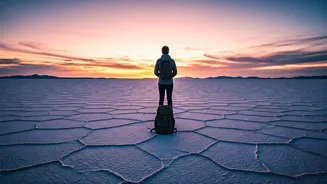
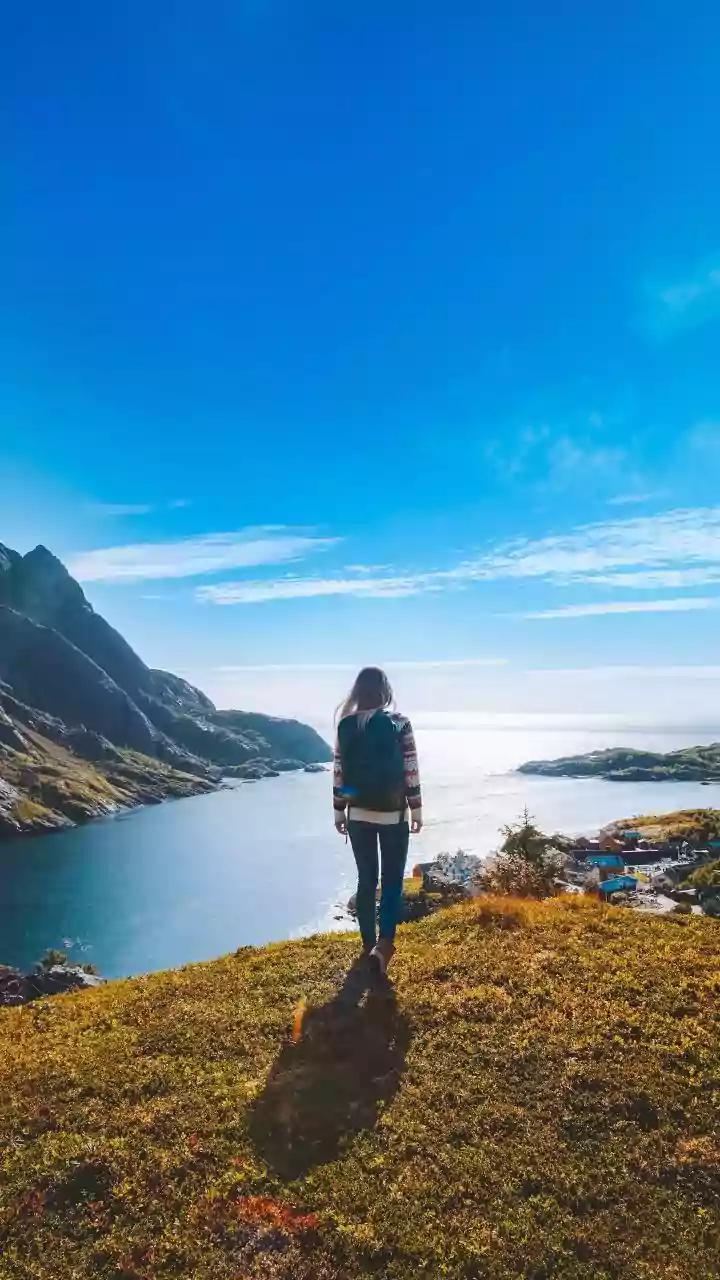
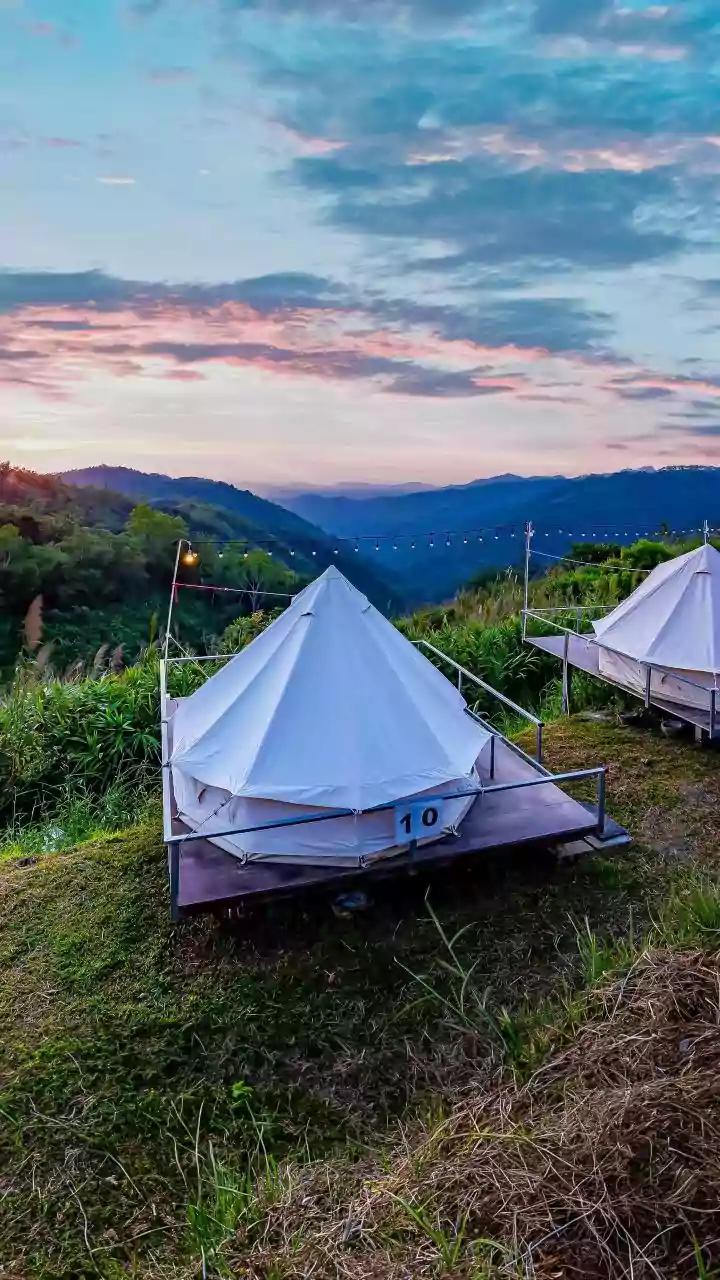
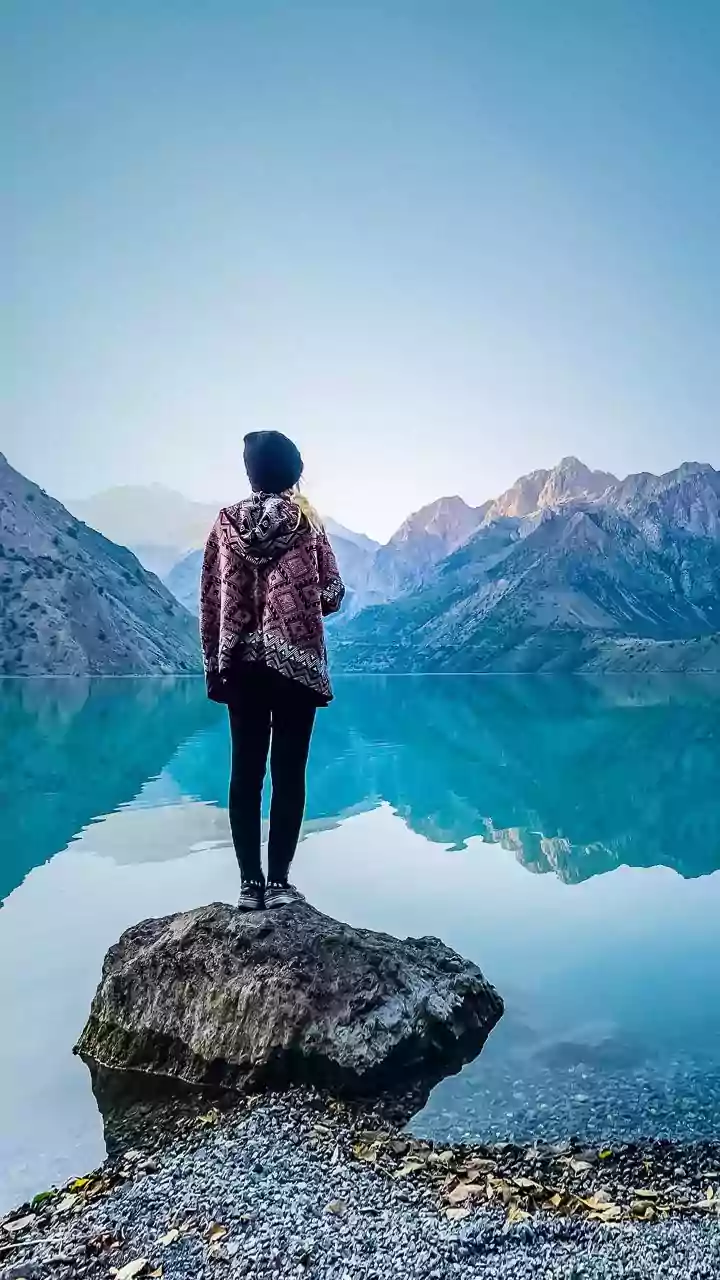
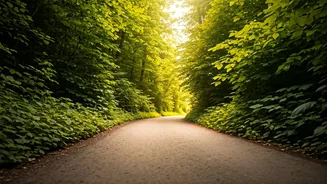
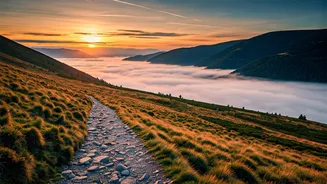
So, what does this new travel look like? It’s slower, deeper, and far more personal. Instead of a weekend dash to a major city, it might be a week-long stay at a sustainable farm in the Himalayan foothills or a pottery workshop in a remote Rajasthan village. The focus has shifted from sightseeing to 'slow seeing'—immersive activities that foster a genuine connection to a place and its culture. This has fueled a boom in niche travel: solo trips are surging (especially among women), adventure sports outfitters are flourishing, and wellness retreats offering yoga and meditation are in high demand. Homestays are chosen over hotels, not for the cost savings, but for the chance to eat home-cooked meals and hear local stories. The new currency of a good trip is not the number of sights seen, but the quality of the experiences lived.
The New Digital Validation
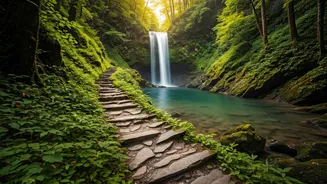
It’s easy to dismiss this trend as being driven by the hunt for the perfect Instagram photo, but the reality is more nuanced. While social media certainly plays a role, it’s not just about showcasing a picturesque café or an infinity pool. For many, it's a tool for discovery and validation. An obscure trek or a hidden waterfall gains legitimacy when it appears on a favorite travel influencer's feed. The digital brag is no longer about standing in front of the Eiffel Tower, but about posting from a place your friends have never heard of. It’s a quest for 'authenticity' and unique social capital. This digital ecosystem creates a feedback loop: travelers seek out unique experiences to share, which in turn inspires others to ditch the checklist and forge their own path, pushing the boundaries of what a holiday in India can be.