


More Than a Pot of Parsley
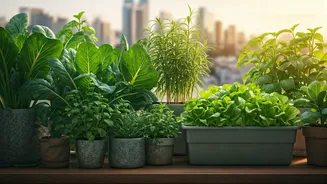
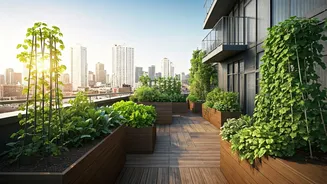
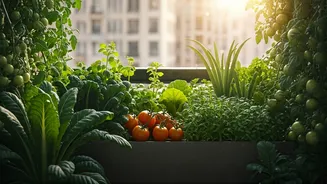
When we talk about an 'edible balcony,' we're not talking about a sad, forgotten pot of basil languishing in a corner. This is a full-blown aesthetic and agricultural commitment. Picture it: tomato vines climbing a trellis, walls covered in vertical pockets
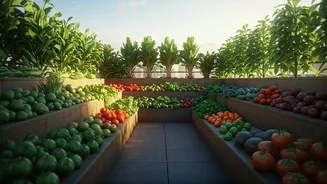
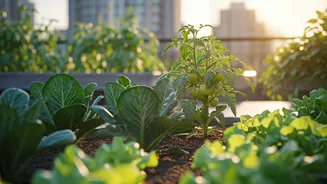
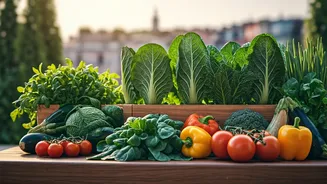
of lettuce and spinach, hanging baskets dripping with ripe strawberries, and planters overflowing with peppers, cucumbers, and fragrant herbs. It’s a miniature farm suspended twenty stories above the pavement, a personal Eden amidst the steel and glass. This isn’t just gardening; it's a curated, living pantry that doubles as a lush, green sanctuary. The goal is to transform a typically sterile outdoor space into a productive and beautiful ecosystem, proving that agriculture isn't just for the countryside.
The Roots of a New Status Symbol
So, why now? This trend is a perfect storm of several cultural currents. The pandemic renewed our interest in home-based hobbies and self-sufficiency, with sourdough starters and victory gardens making a major comeback. That dovetailed perfectly with the ever-growing wellness movement, which emphasizes clean eating and knowing exactly where your food comes from. What’s more organic and local than your own balcony? Add to that a rising awareness of supply chain fragility and a collective desire for sustainability. Growing even a small portion of your own food feels like a tangible, positive action in a world of overwhelming problems. Finally, there's the undeniable visual appeal. In the age of Instagram, a verdant, thriving balcony garden is premium content—a vibrant, authentic backdrop that curated influencer walls can no longer compete with.
The Art of the Green 'Flex'
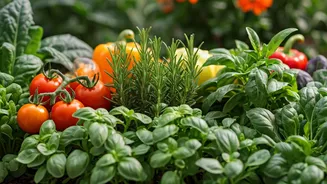
This is where the 'flex' comes in. An edible balcony is a subtle but powerful broadcast of resources. First, it requires space—a balcony or terrace, which is already a premium in most American cities. Second, it signals the luxury of time and dedication. Keeping a miniature farm alive requires daily attention, from watering to pest management. This isn't a passive hobby. Third, it communicates knowledge. Successfully growing a variety of plants in containers demands research and skill, a form of 'gardening IQ' that can't be bought overnight. While a designer handbag screams money, a basket of home-grown heirloom tomatoes whispers a more complex story. It says, 'I have the space, the time, the patience, and the skill to nurture life. I am connected to my food and my environment, even in this concrete jungle.' It’s a flex of competence and mindfulness, a status symbol that aligns with modern values of authenticity and well-being over mere consumption.
Your First Bite of Balcony
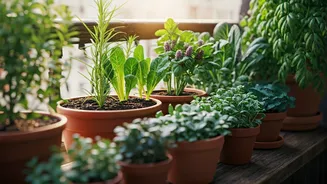
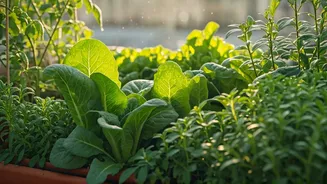
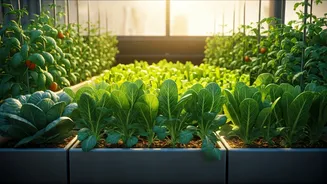
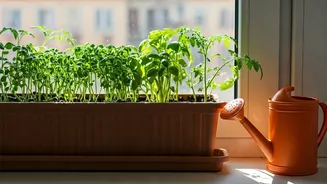
The idea might seem intimidating, but starting your own edible oasis is more accessible than you think. The key is to start small and choose your battles. Don't try to grow watermelons your first year. Begin with the gateway drugs of urban gardening: herbs. Mint, basil, rosemary, and chives are incredibly forgiving and deliver immediate culinary rewards. A fresh sprig of mint in your water or basil on your pasta feels like a five-star upgrade. Next, try a leafy green like loose-leaf lettuce or spinach in a window box. They grow quickly and can be harvested leaf by leaf for weeks. When choosing plants, the most important factor is sunlight. Observe your balcony for a full day to see how many hours of direct sun it gets. This will determine your success more than anything else. Six or more hours is 'full sun,' perfect for tomatoes and peppers. Four to six is 'part sun,' ideal for lettuces and herbs. Start there, and let your confidence grow alongside your plants.