








The 'Insurance Policy' Explained
Let’s unpack the metaphor. An insurance policy is something you pay for to mitigate future risk. You hope you never need it, but you’re glad it’s there when disaster strikes. Pruning functions in the same way for your garden. The “premium” is the time
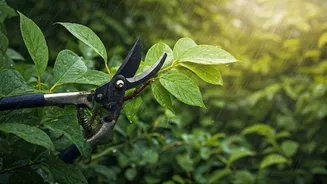
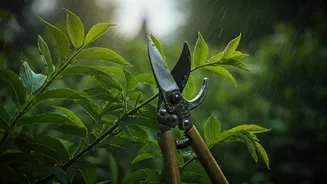
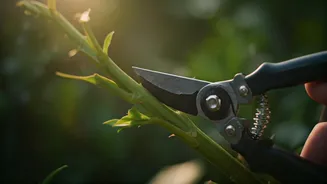
and effort you spend selectively trimming your trees, shrubs, and perennials. The “disaster” is a torrential downpour or a violent gust of wind that can snap branches, uproot entire plants, or create the perfect conditions for rot and disease. By pruning strategically *before* the worst of the weather arrives, you are actively reducing the risk of catastrophic failure. It’s not just a cosmetic chore to make things look tidy; it’s a structural investment in your plant’s survival.
Reducing the 'Sail Effect'
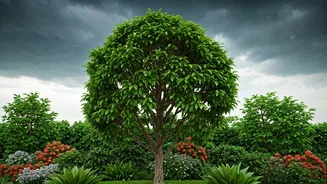
Imagine a ship with its sails fully unfurled in a hurricane. That’s your overgrown shrub in a summer thunderstorm. Dense, untrimmed foliage acts like a massive sail, catching the full force of the wind. This puts immense strain on the plant's branches and root system. A single powerful gust can be enough to split a major limb or even topple the entire plant. Pruning, especially thinning, is the equivalent of reefing those sails. By removing excess branches and opening up the plant’s canopy, you allow wind to pass *through* it rather than *against* it. This dramatically reduces the physical load on the plant, making it far less likely to suffer structural damage. You’re not just removing leaves; you’re dismantling the very mechanism that lets the wind get a grip.
Strengthening the Core Structure
A well-pruned plant is a stronger plant. When you strategically remove weak, crossing, or poorly attached branches, you redirect the plant’s energy into its strongest, most viable limbs. Think of it as a resource management strategy. Instead of wasting energy supporting flimsy, redundant growth that’s likely to fail under pressure, the plant can invest in thickening its main trunk and developing a more robust framework. A good place to start is with the “three Ds”: any wood that is dead, damaged, or diseased. These branches are liabilities. They are the first to break in a storm and can provide an entry point for pests and rot. Removing them fortifies the plant’s core integrity, ensuring the parts that remain are the ones best equipped to handle stress.
Boosting Airflow to Fight Disease
Heavy rains bring more than just physical force; they create a humid, damp environment that is a breeding ground for fungal diseases like powdery mildew and black spot. When foliage is thick and overgrown, moisture gets trapped between the leaves, and the plant struggles to dry out even after the rain stops. This prolonged dampness is an open invitation for pathogens. Proper pruning thins the canopy, creating space between branches and improving air circulation. This simple act allows the plant to dry off quickly after a downpour, robbing fungal spores of the stagnant, moist conditions they need to thrive. In this sense, pruning is preventative medicine. You’re not just protecting your plant from wind, but also from the opportunistic diseases that follow in a storm’s wake.
When and What to Prune for Storm Season
Timing is key. The ideal time for this kind of “insurance” pruning is in late spring or early summer, before the peak storm season gets underway. Avoid heavy pruning in the intense heat of late summer, as this can stress the plant. Focus on thinning cuts rather than wholesale topping. For shrubs, selectively remove about a third of the oldest, thickest stems at the base to encourage new growth and open up the structure. For trees, look for narrow, V-shaped crotches, which are notoriously weak, and remove one of the competing branches. Get rid of any limbs that are crossing or rubbing against each other. The goal isn’t to give the plant a radical haircut, but to make it more aerodynamic, structurally sound, and resilient before the skies open up.