



More Than a Weekend Getaway
For years, the American music festival was a destination event. You’d save up, buy a ticket to Coachella, Lollapalooza, or Bonnaroo, and build a single, memorable weekend around it. But for a growing number of young Americans, that model is starting to feel
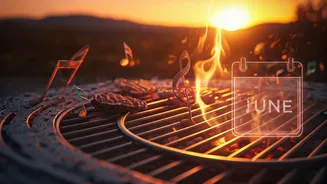
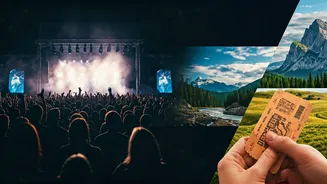
quaint. Festival hopping is the new aspirational journey: a conscious decision to string together multiple festivals across a season, a summer, or even a full year. It’s not about catching a local show and then heading home; it’s about treating the entire festival circuit as the destination. Hoppers might start with Coachella in California’s April desert, fly to Tennessee for Bonnaroo’s Southern charm in June, and cap it off with Chicago’s urban Lollapalooza in August, with smaller, niche festivals sprinkled in between. This isn’t just about seeing bands; it's a lifestyle choice that blends travel, music, and community into a single, continuous experience.
The Post-Pandemic Experience Economy
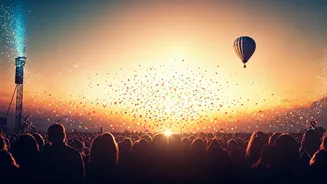
So, why now? The most obvious driver is the post-pandemic craving for connection and live experiences. After years of lockdowns and digital-only interactions, the allure of a sweaty, vibrant, in-person crowd is more powerful than ever. But it goes deeper than simple pent-up demand. Economists and sociologists have long noted the shift, especially among Millennials and Gen Z, from valuing material goods to valuing experiences. A new car is nice, but a summer of memories documented on a camera roll feels more culturally valuable. Festival hopping is the ultimate expression of the experience economy. It offers a rich tapestry of stories, friendships, and personal growth that a static purchase simply can’t match. It’s a rejection of the conventional path in favor of a life measured in setlists and airline miles.
Fueled by TikTok and a Flexible Future
This trend couldn't exist at this scale without two modern phenomena: social media and the rise of flexible work. Platforms like TikTok and Instagram are both the blueprint and the broadcast channel for festival hoppers. A search for #FestivalHopping or #Bonnaroo reveals an endless scroll of 'Get Ready With Me' videos, van life tours, and budget breakdowns. This content demystifies the logistics, creating a digital roadmap for aspiring hoppers and fostering a sense of community before anyone even sets foot on the festival grounds. Simultaneously, the normalization of remote work has untethered a segment of the young workforce from their desks. If you can answer emails from a coffee shop in Boise, you can certainly answer them from a hostel near Austin City Limits. This newfound flexibility allows for the kind of extended travel that was once the exclusive domain of gap-year students and the ultra-wealthy.
The Logistics of the Endless Summer
While the idea is romantic, the reality is a masterclass in budgeting and planning. Festival hopping is not an inherently cheap hobby. Tickets alone can run into thousands of dollars. Add in travel, food, and lodging, and the costs can skyrocket. Successful hoppers become experts in personal finance and logistics. They hunt for early-bird ticket deals, master the art of budget airlines, and embrace communal living, whether it’s cramming into an Airbnb, camping, or joining the #vanlife movement. The industry is taking notice, too. We’re seeing more multi-festival ticket bundles and travel companies that specialize in curated festival tours. It’s a self-sustaining ecosystem where the demand from hoppers encourages more infrastructure, which in turn makes the lifestyle more accessible.
A Vibe or a Grind?
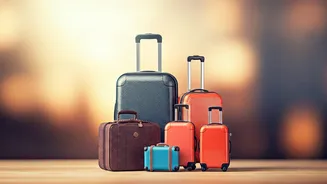
Of course, a life lived on the road between massive, high-energy events has its challenges. There's the physical and mental toll of constant travel, sleep deprivation, and sensory overload—a phenomenon some call 'festival burnout.' The financial strain is real, and the pressure to project a perfect, carefree vibe online can clash with the gritty reality of living out of a suitcase. There are also valid questions about the environmental impact of flying between multiple events. Yet for those committed to the lifestyle, these are just hurdles to overcome, not dealbreakers. The grind is seen as part of the adventure, a small price to pay for the freedom, community, and profound sense of being alive that comes from chasing the music from one city to the next.