
The Memory on the Shelf
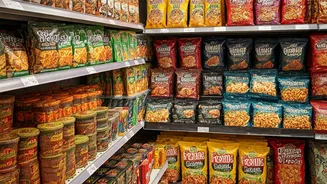
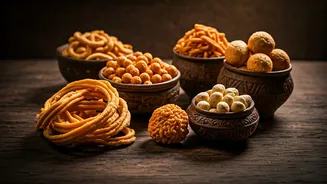
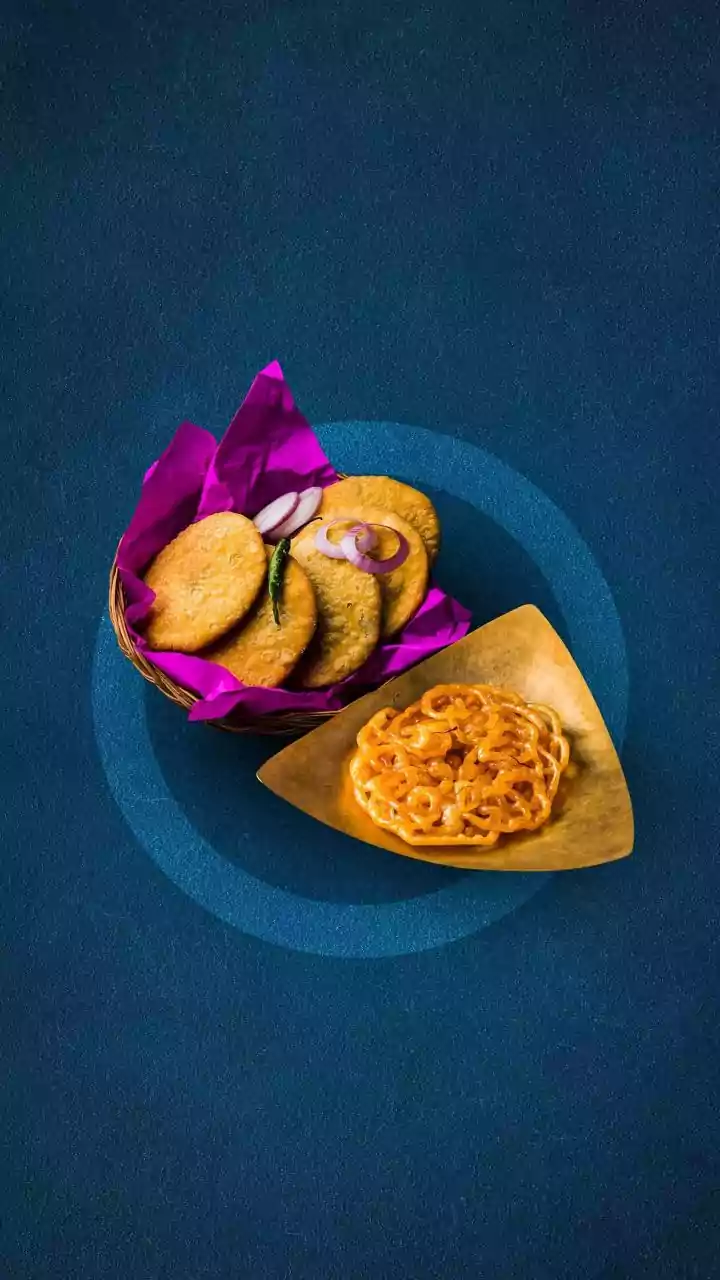
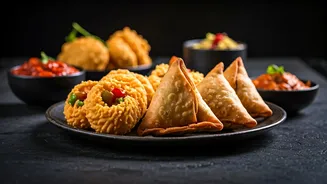
For decades, the experience of finding authentic Indian snacks in the U.S. involved a trip to a specialty grocery store. Tucked away on crowded shelves were translucent plastic bags of chakli (savory, spiral-shaped rice crisps), chivda (a crunchy, spiced
mix of flattened rice, nuts, and lentils), and murukku (spiky, deep-fried spirals). The packaging was purely functional, often printed with simple text and maybe a single, unglamorous photo. The priority wasn't aesthetics; it was authenticity and taste. These snacks were a direct, unvarnished link to a homeland, a taste of a grandmother’s kitchen packed for a long journey. For many first- and second-generation kids, these treats were a staple at family gatherings and after-school bites—a flavorful, if un-Instagrammable, part of growing up between two cultures.
A Millennial and Gen Z Remix
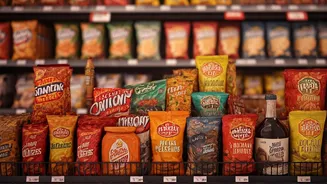
Today, that landscape is changing dramatically, driven by the very kids who grew up on those snacks. A wave of Indian American entrepreneurs, now in their 20s, 30s, and 40s, are launching new brands that are both a tribute to and a reimagining of their childhood favorites. Having navigated the complexities of a bicultural identity, they are uniquely positioned to bridge the gap. They understand the deep emotional resonance of these flavors but also possess the savvy of modern American consumer branding. Their mission is often deeply personal: to see the food they love presented with the same care, quality, and beautiful design as a bag of gourmet potato chips or a box of artisanal cookies. It’s an act of cultural translation, ensuring the snacks of their heritage can occupy a proud new space in the American pantry.
More Than Just a Pretty Package
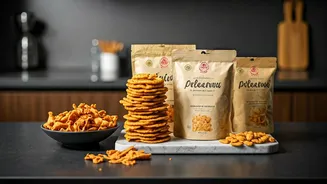
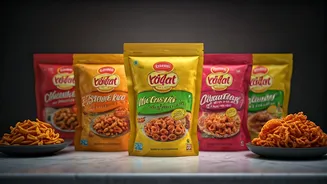
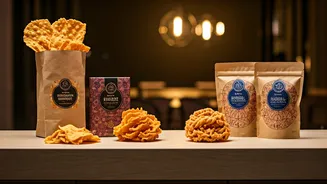
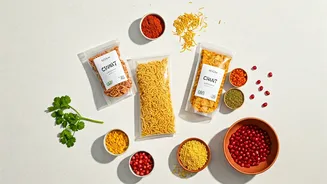
This “glow-up” goes far beyond a minimalist font and a matte-finish pouch. While the new packaging is certainly a key element—think bold, colorful graphics and compelling storytelling right on the bag—the transformation is inside, too. Founders are reformulating old recipes to meet modern dietary preferences. You’ll find baked, not fried, versions of traditionally oily snacks, options made with gluten-free flours like lentil or chickpea, and a focus on “clean” ingredient lists without artificial preservatives. The flavor profiles are also getting a remix. While the classic masala and tamarind notes remain, they might be joined by contemporary twists like truffle, peri-peri, or jalapeño. This isn’t about replacing the original; it’s about expanding the definition of what an Indian snack can be, making it accessible and appealing to a broader audience, including those who didn’t grow up with it.
From Niche Aisle to Mainstream Cart
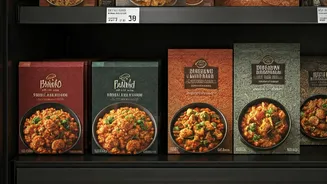
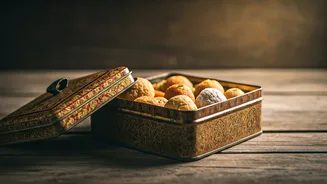
Perhaps the most significant aspect of this trend is where these snacks are being sold. While still beloved in Indian grocery stores, these new-wave brands are targeting a different retail environment. They are primarily direct-to-consumer businesses, building loyal followings through social media and slick e-commerce sites. They are also popping up in places once unimaginable for a bag of chivda: curated gift boxes, boutique hotel minibars, and the snack aisles of mainstream chains like Whole Foods and Sprouts. This shift marks a major milestone. It signals that Indian food culture in America is moving beyond the confines of the “ethnic” aisle and into the spotlight, driven by entrepreneurs who are confidently claiming their space in the market. It represents not just a business opportunity, but a moment of cultural arrival.