



Goodbye to the Generic Curry
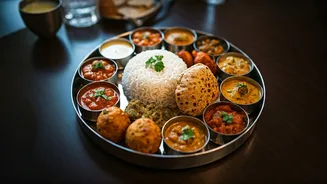
The single most important change in modern Indian dining is the death of the monolithic menu. For too long, the rich and dazzlingly diverse culinary traditions of a billion people were flattened into a handful of creamy, tomato-based dishes, mostly representing
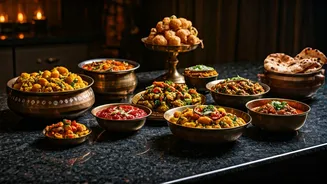
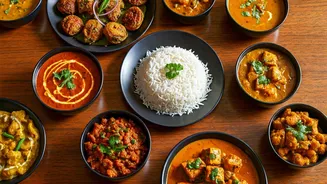
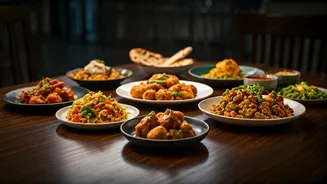
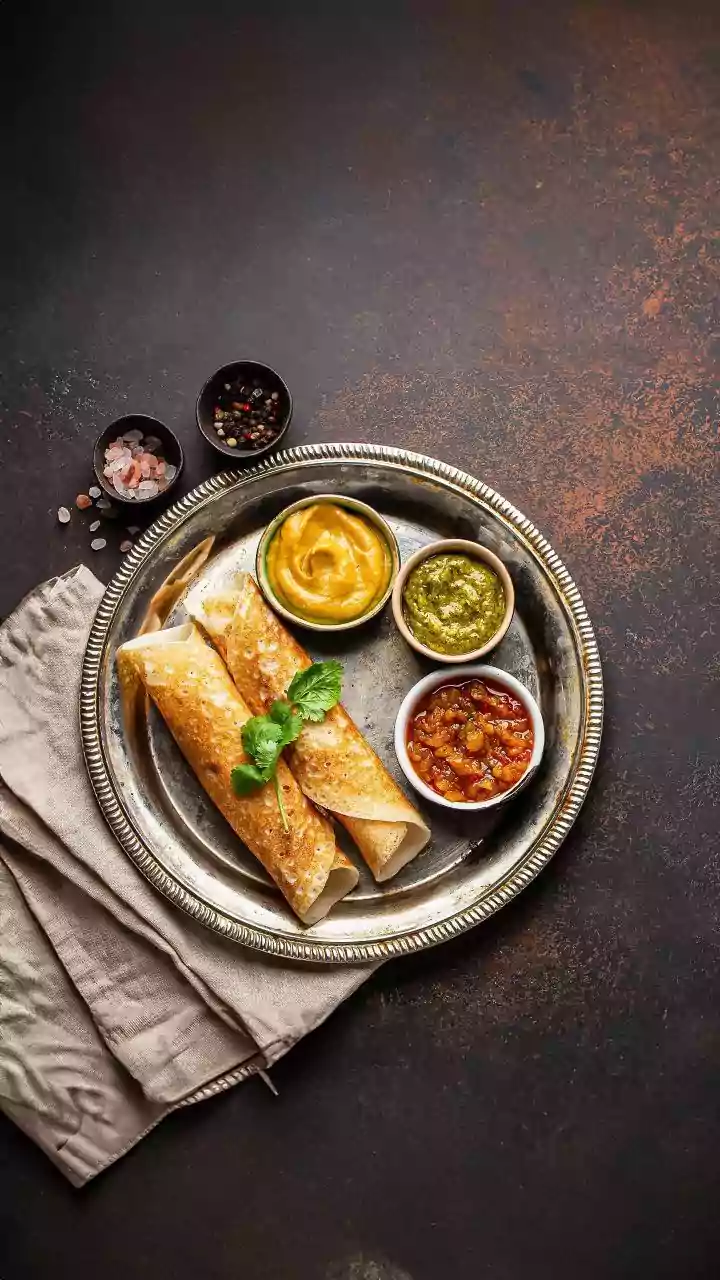
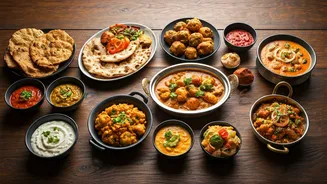
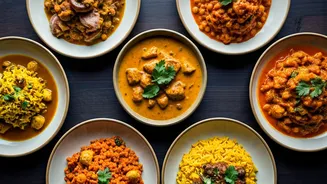
Punjabi and Mughlai cuisines. That era is definitively over. The new guard of Indian restaurants in the U.S. is championing fierce regionalism. Think of it less as 'Indian food' and more as food from Kerala, Bengal, Goa, or Gujarat. This means diners are discovering the delicate, coconut-laced seafood stews of the Malabar Coast, the tangy, fermented flavors of the Northeast, and the complex, mustard-oil-forward dishes of Kolkata. Chefs are no longer afraid that an American palate won't 'get it.' Instead, they’re proudly presenting dishes like Goan pork vindaloo in its fiery, authentic form—a world away from the mild, anglicized versions of the past. This isn't just about new flavors; it’s about respecting the geography and cultural identity baked into every recipe.
Wellness on the Plate
The concept of 'intentional eating' finds its deepest roots in the connection between food and health. As Americans become more wellness-conscious, they are discovering what Indian culture has known for millennia: food is medicine. This goes far beyond sprinkling turmeric in a smoothie. The emerging trend is an embrace of Ayurvedic principles—an ancient system of holistic health that emphasizes balance through diet. We're seeing this manifest in menus that highlight ingredients for their healing properties: ginger for digestion, fenugreek for blood sugar, and a symphony of spices chosen not just for taste but for their anti-inflammatory and antioxidant power. This isn't about deprivation or bland 'health food.' It's about unlocking the inherent nutritional wisdom of traditional Indian cooking—using ghee instead of processed oils, whole grains over refined flours, and focusing on seasonal, vegetable-forward dishes that are both deeply satisfying and genuinely good for you. It’s a return to the original intent of the cuisine, where pleasure and well-being are one and the same.
The Story Behind the Spice
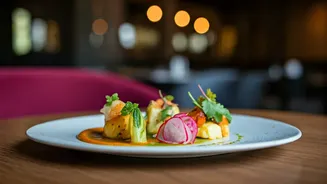
Perhaps the most compelling shift is the rise of the chef as a storyteller. A wave of second-generation Indian-American chefs are no longer just recreating the food of their parents; they're using it as a medium to explore their own hybrid identities. Their food tells a story—of immigration, of belonging, of blending tradition with a modern American experience. Restaurants like New York's Dhamaka or Asheville's Chai Pani (crowned America's most Outstanding Restaurant in 2022) are not just serving meals; they are curating cultural experiences. The menu might feature a 'forgotten' dish from a specific village or a playful take on a street food classic that combines Indian flavors with American ingredients. This culinary memoir is deeply intentional. Every dish has a purpose and a point of view. It invites the diner to engage not just with a plate of food, but with a personal history, making the act of eating an act of connection and understanding.
Bringing It All Home
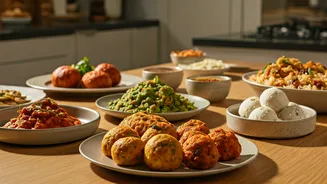
This evolution isn't confined to restaurant dining rooms. The same principles are transforming American home kitchens. The pandemic accelerated a desire for more ambitious and meaningful home cooking, and Indian food was a major beneficiary. More home cooks are moving beyond pre-made simmer sauces and diving into the art of creating their own spice blends (masalas), mastering the perfect pot of basmati rice, and exploring the vast world of Indian breads beyond naan. Fueling this is better access to high-quality, regionally specific ingredients online and in growing local markets. Cookbooks, blogs, and cooking shows from a new generation of Indian culinary experts are demystifying techniques that once seemed intimidating. The intentionality here is about reclaiming the process—understanding the 'why' behind the techniques and creating healthier, more authentic, and more personal meals for the family.