





1. The Modern Rain Jacket
Forget the clammy, crinkly plastic ponchos of your youth. Today’s rain jackets are marvels of material science, designed not just to block water but to breathe. The key term to look for is a “waterproof-breathable” membrane, with Gore-Tex being the most
famous brand name, though many companies have excellent proprietary versions. This technology uses microscopic pores that are large enough to let water vapor (your sweat) escape but too small for liquid water droplets to get in. This prevents that dreaded feeling of being soaked from the inside out. When shopping, also look for sealed or taped seams, which prevent water from leaking through the stitching—a weak point in lesser jackets. Adjustable hoods, cuffs, and zippered underarm vents (“pit zips”) are not just frills; they allow you to customize ventilation and fit, keeping you comfortable whether you’re on a brisk walk or a humid hike.
2. A Truly Windproof Umbrella
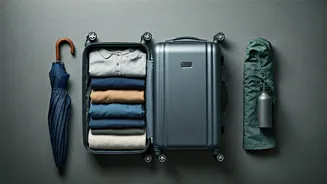
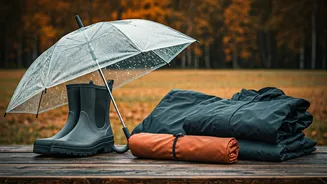
We’ve all been there: a gust of wind turns your cheap corner-store umbrella into a mangled, useless skeleton. Investing in a quality, windproof umbrella isn’t an indulgence; it’s a practical decision that saves you money in the long run. Look for two key features: a reinforced frame and a vented canopy. High-end frames are often made from flexible fiberglass or a combination of fiberglass and steel, which allows the ribs to bend under stress without snapping. A vented or double canopy features overlapping layers of fabric with an air gap in between. This design lets strong gusts of wind pass through the umbrella rather than catching it like a sail, dramatically reducing the risk of it flipping inside out. A compact, travel-sized model is great for a briefcase or backpack, but for truly torrential downpours, a larger “golf” umbrella provides superior coverage.
3. Versatile Waterproof Footwear
Soggy socks are a universal misery. While classic rubber rain boots are fully waterproof, they can be clunky, heavy, and don’t breathe, leading to sweaty feet. For everyday use, consider waterproof shoes or boots that blend style with function. Many modern hiking shoes, sneakers, and even dressier leather boots now come with built-in waterproof membranes (like Gore-Tex, again). This allows them to look like normal footwear while providing complete protection from puddles and downpours. When choosing, check the tongue construction. A “gusseted” tongue, which is attached to the upper along the sides, is crucial for preventing water from seeping in through the laces. This makes the difference between a truly waterproof shoe and one that’s merely water-resistant.
4. The Underrated Dry Bag
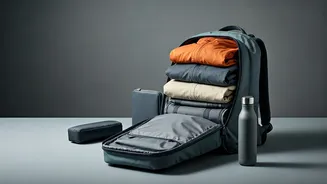
Your jacket keeps you dry, but what about your laptop, phone, and important documents? A dry bag is a simple, effective, and surprisingly affordable solution. Originally designed for kayaking and boating, these roll-top bags create an airtight, waterproof seal that provides total protection for your valuables. You don’t need a massive one; a small 5- or 10-liter dry bag is lightweight and can be easily tossed into your existing backpack, tote, or messenger bag. It acts as a fail-safe, ensuring that even if your main bag gets soaked during a sudden cloudburst on your commute, your expensive electronics and irreplaceable papers remain perfectly safe and dry inside.
5. Your Home’s First Line of Defense
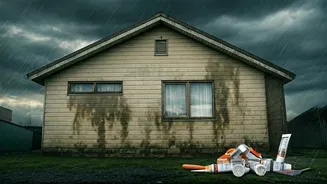
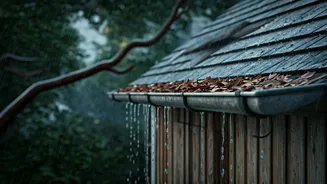
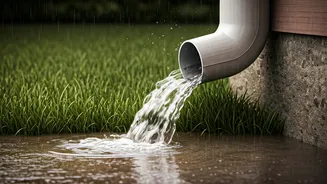
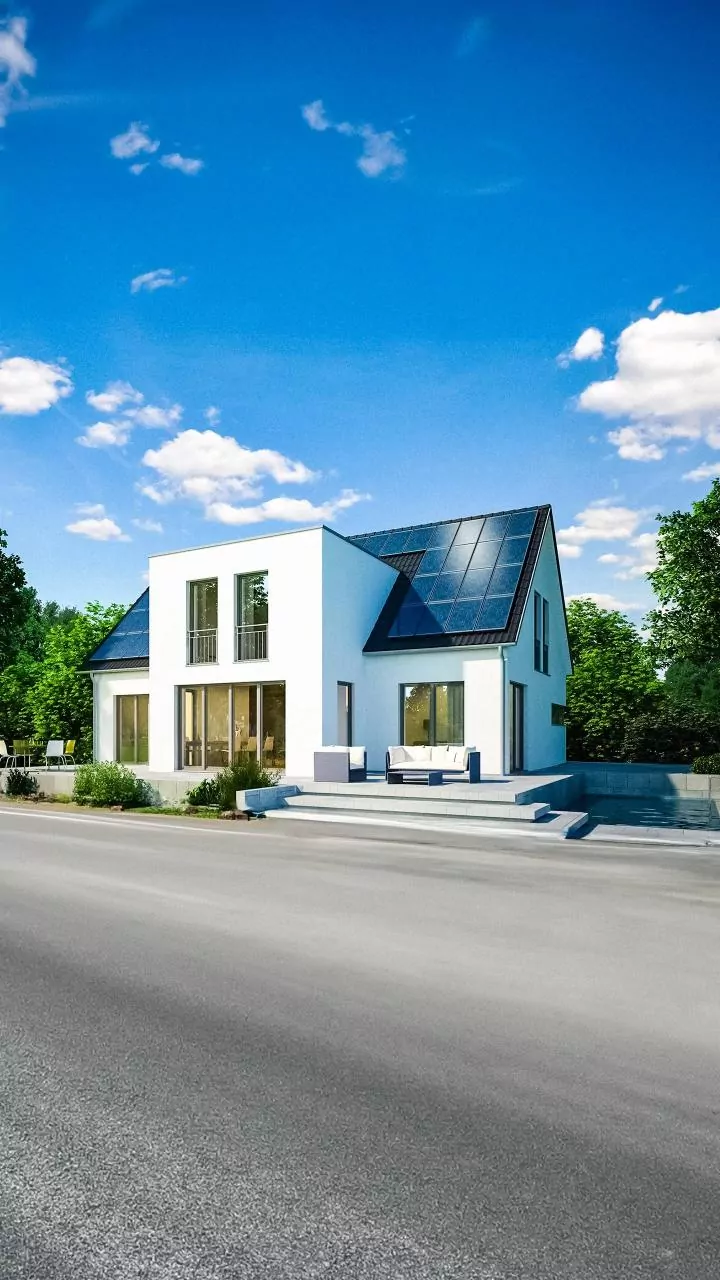
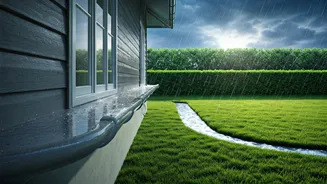
Staying dry isn’t just about personal gear. Your home needs to be ready, too. The single most important task is to ensure your gutters and downspouts are clear of leaves, sticks, and other debris. When gutters clog, rainwater has nowhere to go but over the sides, where it can saturate the ground next to your foundation, leak into your basement, or damage your home's siding and roofline. A simple cleaning before the rainy season begins can prevent thousands of dollars in water damage. While you’re at it, check that your downspouts are directing water at least three to four feet away from your foundation. If they’re not, inexpensive extenders are available at any hardware store and are a crucial investment in protecting your home’s structural integrity.