


The Backlash Against the Beige
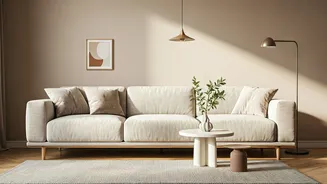
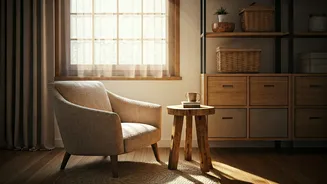
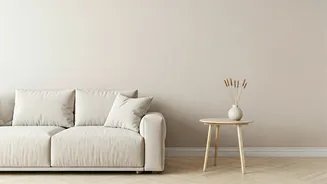
For years, the aspirational home was a study in minimalist perfection—clean lines, neutral palettes, and furniture so sleek it felt almost anonymous. It was the era of the 'millennial beige' aesthetic, easily replicable and heavily marketed by fast-furniture
giants. While beautiful in its own way, this uniformity created a sea of homes that looked more like sterile showrooms than personal sanctuaries. Now, the pendulum is swinging hard in the other direction. There's a growing fatigue with mass-produced sameness. Homeowners are craving personality, warmth, and spaces that tell a story about who lives there. This isn't just about rejecting minimalism; it's about rejecting the impersonal nature of algorithm-driven decor and seeking out objects with a soul.
Redefining the 'Flex'
So, what exactly is a 'quiet flex'? It's not about the price tag, though many handmade items represent a significant investment of both money and time. The 'flex' is in the curation, the story, and the evidence of a human touch. It’s the slightly asymmetrical ceramic mug you bought from a potter in Asheville, the hand-knotted rug with a charmingly imperfect pattern, or the custom-built side table with a visible wood grain. The flex lies in having something no one else has. It says, 'I have taste, I value craftsmanship, and I was patient enough to find this.' In a world of two-day shipping and instant gratification, choosing to seek out or commission a unique, artisanal piece is a powerful statement. It's a flex of discernment over dollars.
The Stars of the Show
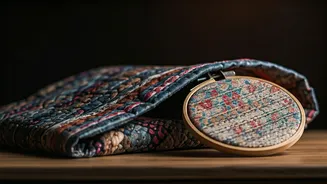
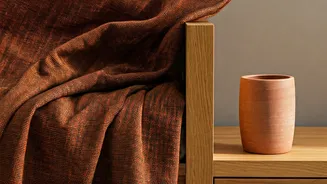
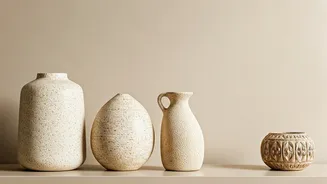
While the movement is broad, a few categories have become the poster children for the handmade revolution. Ceramics are arguably at the forefront. Lumpy, bumpy, and gloriously imperfect vases, bowls, and plates from small-batch potters have become coveted centerpieces. They bring an organic, earthy texture that mass-produced porcelain can’t replicate. Next are textiles. Hand-loomed throws, block-printed pillows, and vintage quilts add layers of history and softness. Each knot and dye variation tells a story of the maker’s hand. Finally, unique woodwork and hand-blown glass are having a moment. A sculptural wooden bowl or a set of colorful, subtly different drinking glasses can elevate a simple shelf into a personal gallery, showcasing an appreciation for skill and artistry.
Connecting with the Human Element
Ultimately, the turn toward handmade decor is about connection. In a digitally saturated world, we are starved for tangible, authentic experiences. Bringing a handmade object into your home is a way to connect with the artist who made it. You can often learn their name, see their studio on Instagram, and understand the process behind the piece. This narrative transforms the object from a simple commodity into a piece of art with a lineage. It’s a small act of rebellion against a globalized supply chain, a vote for small-scale creativity, and a way to ensure your living space reflects not just a trend, but your own unique story and values. These pieces don't just decorate a room; they infuse it with humanity, imperfection, and a quiet, confident sense of self.