



More Than Just Houseplants
First, let's clear up a common misconception: biophilic design isn’t just about adding more plants. While greenery is a vital component, the philosophy runs much deeper. Coined from “biophilia,” which means a love of life and the living world, the term
describes our innate human tendency to connect with nature. Biophilic design is the practice of translating that connection into the built environment. It's about creating spaces that satisfy our deep-seated need for nature by incorporating natural elements, materials, and even patterns. The goal is to design a habitat, not just a house—a place that reduces stress, enhances creativity, and improves our overall sense of well-being by mirroring the environments we evolved in.
Maximize Your Light and Air
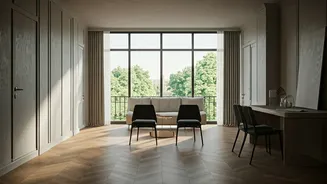
The most fundamental connection to nature is through light and air. In an urban setting, this can feel like a luxury, but it’s the most powerful and cost-effective upgrade you can make. Start by decluttering your windows. Ditch heavy, dark drapes for sheer curtains or blinds that allow you to control light without blocking it completely. Clean your windows regularly—it’s shocking how much light a layer of city grime can steal. Strategically placed mirrors can also work wonders, bouncing light into darker corners and creating an illusion of spaciousness. If possible, improve ventilation by opening windows to create a cross-breeze. The feeling of fresh air and the sight of shifting sunlight throughout the day are powerful, subconscious cues that connect you to the world outside.
Incorporate Natural Materials
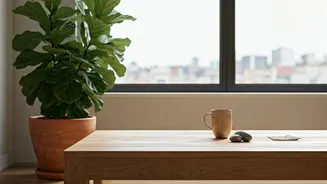
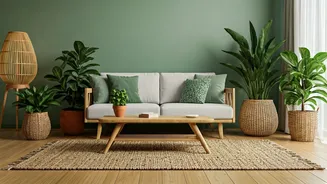
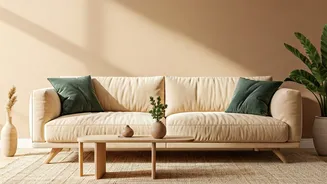
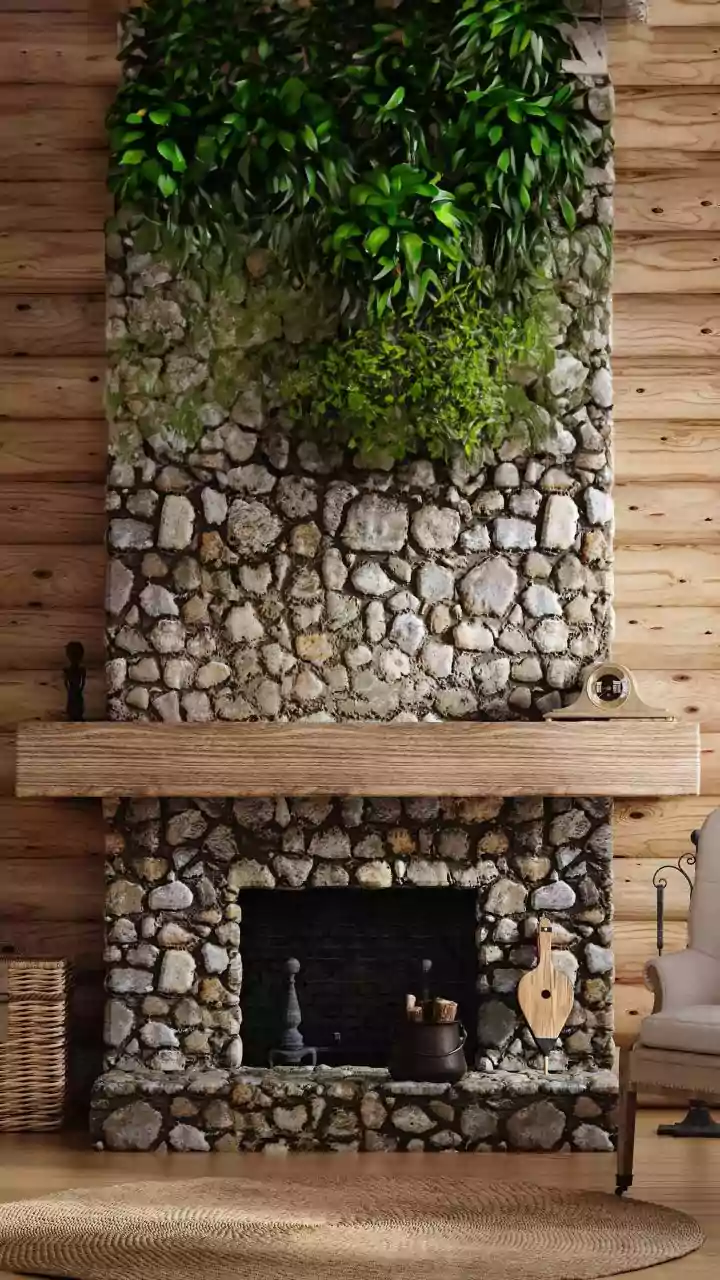
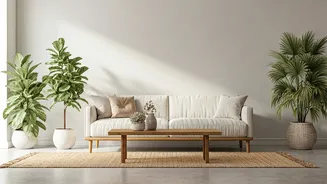
Our bodies are highly attuned to texture and material. Think about the cold, sterile feel of plastic versus the warm, varied grain of wood. Biophilic design prioritizes materials that come from nature. This doesn't require a gut renovation. You can start small. Swap a synthetic-fiber rug for one made of jute, sisal, or wool. Choose a solid wood coffee table, a rattan armchair, or linen throw pillows. Look for elements that show their natural origin: the veins in a marble countertop, the knots in a pine shelf, the unique texture of a cork board. These materials provide a rich sensory experience that sterile, mass-produced items lack, grounding your space and giving it a timeless, organic feel.
Embrace Living, Dynamic Elements
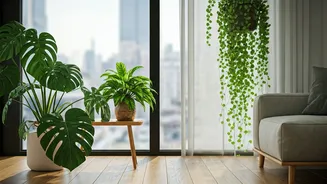
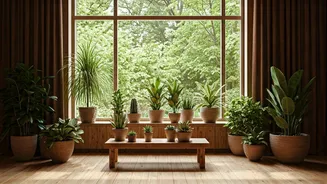
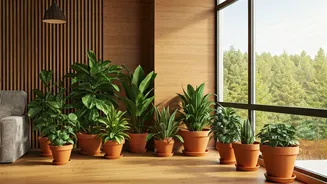
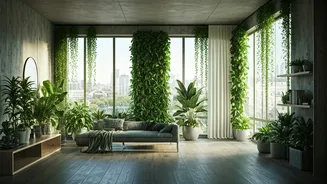
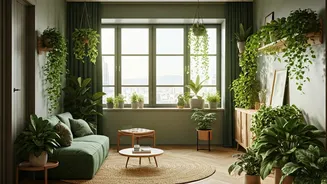
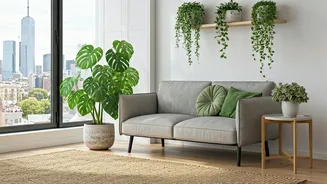
This is where the plants come in, but think beyond a single, lonely ficus. Aim for variety in size, shape, and species to mimic a natural ecosystem. A mix of hanging plants, floor plants, and tabletop arrangements creates layers of green. Consider a small indoor herb garden on a windowsill, which offers visual, aromatic, and even culinary benefits. For a more ambitious project, a small living wall can become a stunning focal point. Don’t forget other living elements. A small tabletop fountain provides the soothing sound of moving water, while a simple aquarium can offer a mesmerizing, dynamic view that has been shown to lower blood pressure and heart rate. These elements bring movement and life into a static indoor environment.
Mimic Nature’s Patterns and Forms
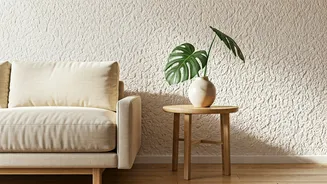
This is a more subtle but incredibly effective biophilic strategy. Nature rarely uses straight lines and perfect right angles. It’s full of spirals, branches, waves, and fractal patterns—like those seen in ferns, snowflakes, and coastlines. You can incorporate these “natural analogues” into your decor. Look for wallpaper with a subtle leaf or water pattern, textiles with organic motifs, or furniture with soft, curved edges rather than sharp corners. A honeycomb-shaped shelf, a rug with a design that mimics ripples in sand, or artwork depicting natural landscapes all count. These indirect references to nature work on a subconscious level, making a space feel more harmonious, interesting, and inherently calming.