




Before You Turn the Key
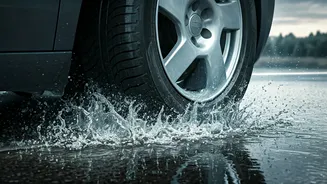
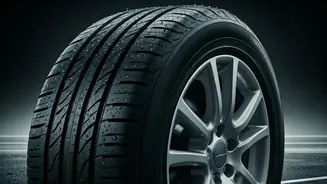
The safest wet-road drive begins before you even leave the driveway. Your car's condition is your first line of defense. Start with the tires. They are the only part of your vehicle that touches the road, and their ability to grip is paramount. Use the 'penny
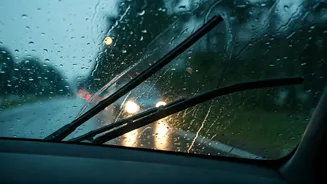
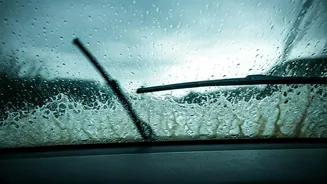
test' to check your tread depth: insert a penny into the tread with Lincoln's head upside down. If you can see all of his head, your tread is worn below the legal minimum (2/32 of an inch) and it's time for new tires. Also, ensure your tires are properly inflated to the pressure listed on the sticker inside your driver's side door jamb, not the number on the tire itself. Under-inflated tires can't channel water effectively. Next, check your windshield wipers. If they squeak, skip, or leave streaks, replace them immediately. Finally, walk around your car and confirm that all your lights—headlights, taillights, and brake lights—are working. Being seen is just as important as seeing.
The Golden Rule: Slow Down
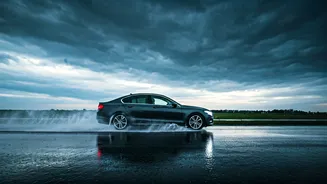
It sounds obvious, but it's the single most important adjustment you can make. Speed limits are designed for ideal, dry conditions. When roads are wet, your car's braking distance can increase significantly—sometimes doubling or even tripling. Water on the pavement reduces the friction between your tires and the road surface. This means you need to begin braking sooner and more gently than you would in the dry. Aggressive, last-second braking is a recipe for a skid. Furthermore, reducing your speed gives you more time to react to hazards, whether it's a spray of water from a truck obscuring your vision, a puddle that's deeper than it looks, or another driver losing control. A good rule of thumb is to reduce your speed by about one-third. If the speed limit is 60 mph, aim for 40 mph or less, depending on the severity of the rain and traffic.
Handling a Hydroplane
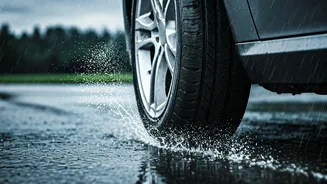
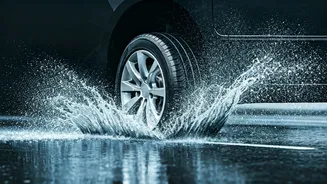
Hydroplaning is one of the most frightening experiences a driver can have. It occurs when a layer of water builds up between your tires and the road surface, causing a loss of traction and control. Your car is essentially surfing on the water. The key to survival is to not panic and to resist your instincts. Do not slam on the brakes. Do not jerk the steering wheel. Instead, calmly ease your foot off the accelerator. Keep the steering wheel straight or make very small, gentle corrections in the direction you want to go. As the car slows, the tires will hopefully regain contact with the pavement, and you'll feel traction return. Once you have control, you can apply the brakes gently if needed. The best way to deal with hydroplaning is to prevent it by slowing down and avoiding standing water whenever possible.
Maximize Visibility and Following Distance
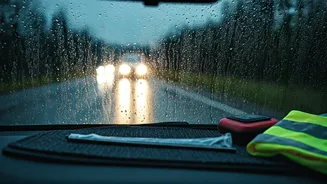
When rain is pouring down, your ability to see and be seen is drastically reduced. Turn on your headlights, even during the day. In many states, it's the law. This isn't just so you can see the road better; it makes your vehicle far more visible to other drivers. Use your defroster and air conditioning to keep your windows from fogging up. If you're dealing with the blinding spray kicked up by trucks and larger vehicles, increase your following distance. The 'three-second rule' for dry conditions should become a 'five- or six-second rule' in the rain. Pick a fixed object on the side of the road, like a sign or a tree. When the car in front of you passes it, start counting. If you reach the object before you're done counting to five, you're following too closely. This buffer gives you the space and time needed to react to sudden stops.
Cruise Control Is Not Your Friend
Modern conveniences are great, but some work against you in bad weather. Cruise control is a prime example. This feature is designed to maintain a constant speed, which is exactly what you don't want to do on a wet or slippery road. If your car begins to hydroplane while cruise control is engaged, the system will try to maintain speed by accelerating as the tires lose traction, which can make the situation much worse and harder to recover from. Your wheels might spin faster, deepening the skid. Driving in the rain requires constant, subtle adjustments to your speed based on changing conditions—something only an attentive human driver can do. When the rain starts, your first move should be to slow down. Your second should be to ensure your cruise control is turned off.