



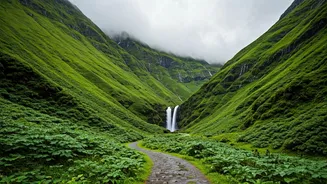
From Tourist Traps to Tranquil Trails
For decades, domestic travel in India for the burgeoning middle class often meant a frantic, checklist-driven tour: see the Taj Mahal, snap a photo at the Gateway of India, brave the crowds in Goa. It was about conquering a circuit, proving you’d been
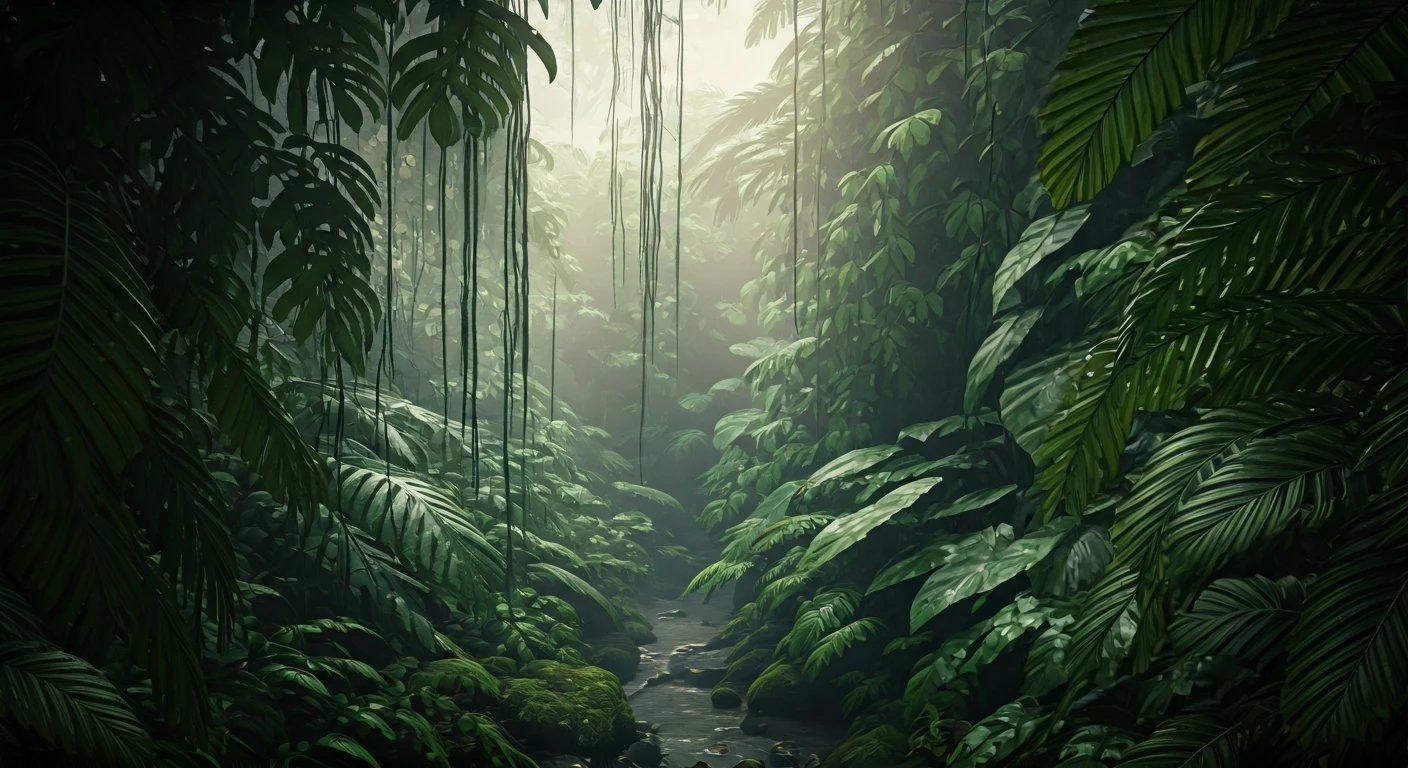
there. But a quiet revolution is reshaping the subcontinent’s travel map. In the wake of a pandemic that forced a global pause, many Indian travelers are looking inward and outward—away from the cities and toward the country's vast, and often overlooked, natural splendor. The new aspiration isn't about seeing how much you can cram into a weekend; it's about how deeply you can exhale. This shift represents a maturation of the Indian traveler, who is now seeking experiences over sights, and peace over pace. It’s a collective turn away from the cacophony of the group tour and toward the hushed solitude of a forest path.
The New 'Gram: Cabins, Glamping, and Treehouses
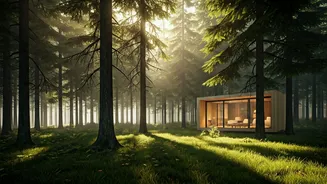
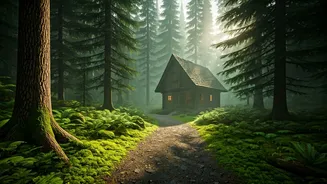
Driving this trend is a blossoming of unique, design-forward accommodations that are destinations in themselves. The word “whimsical” perfectly captures the new hospitality ethos. Think less about standardized hotel rooms and more about one-of-a-kind structures that blend seamlessly with their environment. We're seeing a surge in A-frame cabins in the Himalayan foothills of Himachal and Uttarakhand, luxury treehouses perched in the dense jungles of the Western Ghats, and geodesic domes offering panoramic views of sprawling tea plantations. These aren’t just places to sleep; they are highly curated, Instagram-worthy cocoons designed for immersion. The aesthetic is often a blend of rustic charm and minimalist Scandinavian design—think exposed wood, floor-to-ceiling windows, and cozy reading nooks. This architectural movement provides the perfect backdrop for a generation documenting its life online, but it also caters to a deeper desire for a novel experience that feels both adventurous and supremely comfortable.
Beyond the Golden Triangle
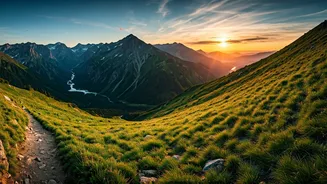
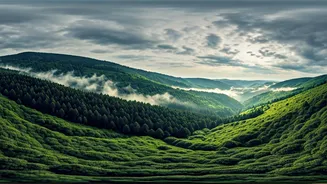
While international tourists might associate India with the iconic “Golden Triangle” of Delhi, Agra, and Jaipur, domestic travelers are now pioneering new circuits. The “woodsy” element of this trend is drawing them to regions previously considered too remote or lacking in infrastructure. Places like Coorg in Karnataka, with its rolling hills and coffee estates, have become hubs for boutique farm stays. The lesser-known corners of Kerala are offering serene backwater retreats far from the tourist houseboats. In the north, destinations beyond the popular hill stations of Shimla and Manali are gaining traction, with travelers seeking out quiet villages in valleys like Tirthan or Parvati. This geographical diversification is not only enriching the travel landscape but also bringing economic benefits to more remote communities, fostering a more distributed and sustainable tourism model. It’s a discovery of the India that lies just off the main highway, an India of misty mountains, dense forests, and unhurried village life.
A Search for Slower, Sustainable Stays
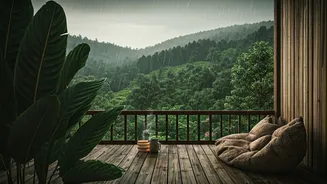
Underlying this aesthetic and geographical shift is a philosophical one. The move toward “whimsical and woodsy” travel is intertwined with a growing interest in wellness, slow living, and sustainability. Many of these new properties operate on an eco-conscious model, using local materials, employing local staff, and offering farm-to-table dining experiences. For the traveler, the appeal is clear: it’s a chance to truly disconnect from the hyper-connectivity of urban life. The itinerary is no longer about sightseeing; it’s about 'non-doing.' Days are structured around nature walks, bird watching, reading by a fire, or simply enjoying a cup of chai while watching the mist roll in. This form of regenerative travel is as much about restoring the soul as it is about exploring a new place. It speaks to a global post-pandemic yearning for authenticity and a deeper connection—to nature, to local culture, and ultimately, to oneself.