





An Unlikely Oasis in the Desert State
Rajasthan is famously known as the “Land of Kings,” a region defined by its arid climate and majestic desert cities like Jaipur and Jodhpur. But nestled in the Aravalli Range, the oldest mountain range in India, sits Mount Abu. At an elevation of about
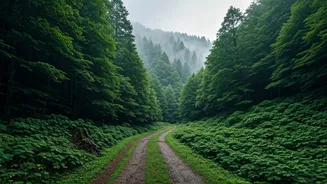
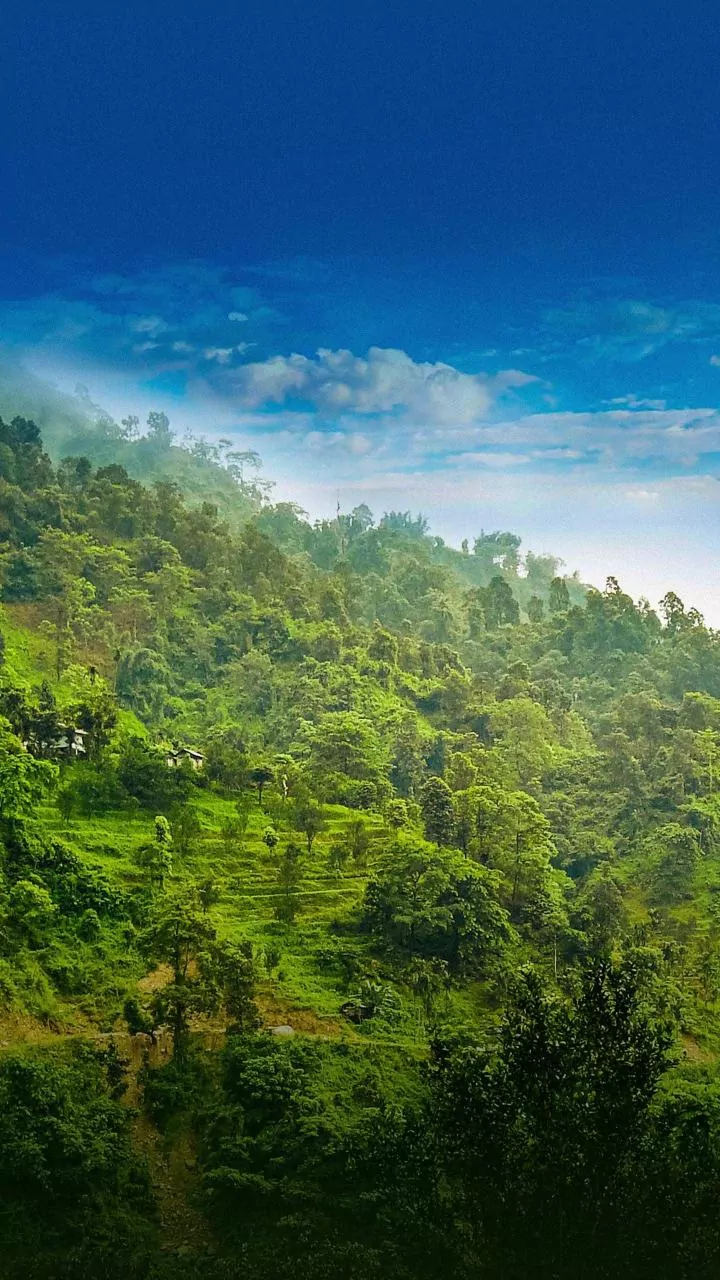
4,000 feet, it’s the only hill station in the entire state. The journey itself is part of the experience; as you ascend the winding roads, the dusty, sun-drenched plains give way to dense forests of palm, mango, and eucalyptus trees. The air noticeably cools, the humidity drops, and suddenly you’re in a different world. For travelers spending weeks exploring Rajasthan's magnificent but often sweltering heritage sites, Mount Abu offers a genuinely startling and welcome change of pace—a natural air conditioner in the heart of the desert.
The Serene Heartbeat: Nakki Lake
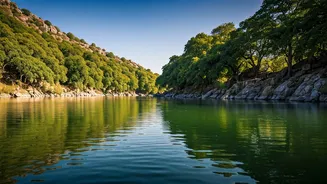
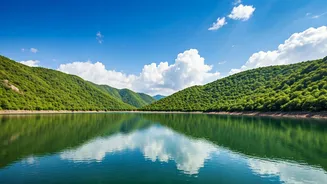
At the center of Mount Abu lies Nakki Lake, a pristine man-made body of water that serves as the town’s social and recreational hub. According to local legend, the lake was dug out by the gods using only their fingernails (or “nakh”), hence the name. Surrounded by hills, parks, and curious rock formations—including the famous Toad Rock, which looks exactly like a toad about to jump into the water—the lake is a postcard-perfect scene. Visitors can rent colorful swan-shaped paddle boats or take a gentle shikara (a type of wooden boat) ride across the placid waters. The path ringing the lake is perfect for a leisurely stroll, especially in the late afternoon as families and couples gather to enjoy the cool air and snack on roasted corn from street-side vendors. It’s a tranquil escape that feels a world away from the hustle of India's major cities.
A Masterpiece in Marble: The Dilwara Temples
While the natural beauty is a huge draw, Mount Abu’s most breathtaking treasure is arguably man-made. The Dilwara Temples, a complex of five Jain temples built between the 11th and 13th centuries, are an absolute marvel of architectural artistry. From the outside, they appear rather simple and unassuming. But step inside, and you’re greeted with some of the most intricate and delicate marble carvings on earth. Every surface—from the ceilings to the pillars to the doorways—is covered in elaborate patterns, mythological scenes, and floral motifs. The detail is so fine that some ceilings look like they are woven from lace rather than carved from stone. The Vimal Vasahi and Luna Vasahi temples are the most famous, showcasing a level of craftsmanship that rivals even the Taj Mahal. They are not just places of worship but a testament to human devotion and skill.
Chasing Sunsets from High Altitudes
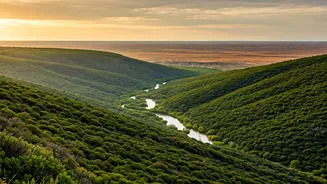
As a hill station, Mount Abu is blessed with numerous viewpoints that offer panoramic vistas of the surrounding plains and rolling hills. The most popular of these is Sunset Point, where every evening, crowds gather to watch the sky erupt in fiery shades of orange, pink, and purple as the sun dips below the horizon. The atmosphere is festive, with people finding spots on the terraced viewing areas to witness the daily spectacle. For a slightly less crowded experience, the Honeymoon Point (also known as Anadara Point) offers a similar stunning view of the sunset over the valley. The experience isn't just visual; it’s about feeling the temperature drop and the cool evening breeze sweep across the mountain as day turns to night, a simple pleasure that feels luxurious after a day in the Rajasthani sun.
A Playground for Nature Lovers
Beyond the lake and temples, Mount Abu is a haven for those who love the outdoors. The Mount Abu Wildlife Sanctuary covers a large part of the mountain and is home to a rich variety of flora and fauna, including sloth bears, leopards, and over 250 species of birds. The area is crisscrossed with trekking trails that lead through dense forests to hidden temples and stunning viewpoints. It’s a popular spot for hiking, bird-watching, and simply reconnecting with nature. Whether you're an avid trekker looking for a challenge or just want a peaceful walk in the woods, the sanctuary provides a green, wild counterpoint to the town’s more relaxed atmosphere, reinforcing Mount Abu’s status as a complete escape.