
Beyond Butter Chicken and Naan
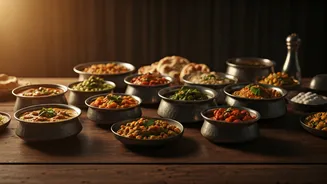
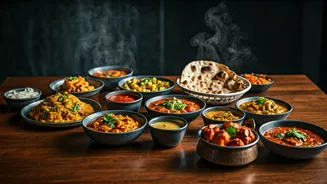
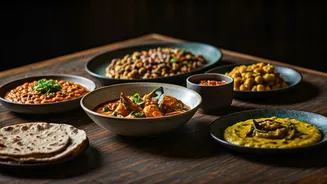
Walk into most Indian restaurants in the U.S., and you’re likely to find a menu dominated by dishes from Punjab and Mughal-influenced North India. Think chicken tikka masala, palak paneer, dal makhani, and pillowy naan. While undeniably delicious, this
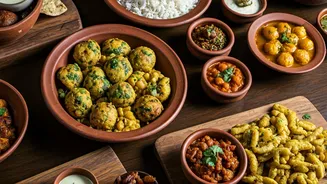
is the culinary equivalent of judging all American food by cheeseburgers and apple pie. It represents a single, powerful narrative that has, for commercial and historical reasons, eclipsed thousands of others. India, a country of over 1.4 billion people with 28 states and numerous distinct cultures, boasts a dizzying array of cuisines. The food of coastal Kerala, rich with coconut and seafood, is a world away from the fermented bamboo shoots and ghost peppers of Nagaland in the northeast. This homogenization wasn't malicious; it was practical. Punjabi cuisine, with its rich, adaptable flavors, traveled well and appealed to Western palates. But in the process, the incredible diversity of India’s culinary heritage was flattened into a single, marketable brand.
The Search for Authentic Stories
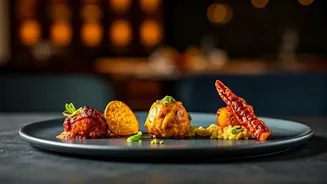
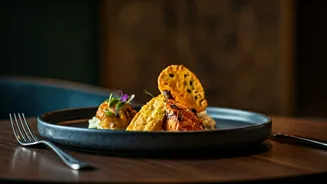
A new generation of chefs is rewriting that menu. In Michelin-starred kitchens and avant-garde dining rooms from Mumbai and New Delhi to New York and London, the focus has shifted from consistency to specificity. These chefs are acting as culinary anthropologists, traveling to remote villages, studying ancestral cooking techniques, and building relationships with local farmers to source forgotten ingredients. The goal is no longer just to serve food, but to serve a story. A dish on a premium menu today might come with an explanation of its origins in a specific village, the significance of a particular spice in a local festival, or the story of the grandmother who passed down the recipe. Restaurants like Masque in Mumbai, which forages ingredients from the Himalayas, or Avatara in Dubai, which presents sophisticated vegetarian tasting menus rooted in regional traditions, are leading the charge. It’s a movement that treats Indian food not as a monolithic category, but as a library of distinct, compelling narratives.
What Does a 'Food Story' Taste Like?
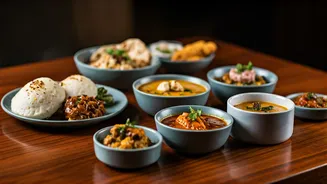
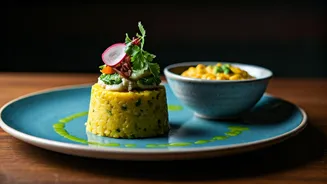
This trend brings hyper-regional and once-obscure dishes to the forefront. Instead of a generic fish curry, a menu might feature a Goan *ambot tik*, a sour and spicy curry that speaks to the region's Portuguese colonial history through its use of vinegar. You might find *ponkh*, or tender young sorghum, a seasonal winter delicacy from Gujarat, transformed into a sophisticated small plate. In place of standard lentils, you might encounter a dish centered on *axone* (pronounced 'akhuni'), a fermented soybean product from Nagaland with a pungent, umami-rich flavor that is central to Naga identity. These dishes challenge preconceived notions of what Indian food is supposed to taste like. They can be sour, fermented, bitter, and subtly spiced rather than just fiery and rich. By showcasing ingredients like black rice from Manipur, sea buckthorn from Ladakh, or grass-like *gundruk* from Sikkim, chefs are expanding the global palate while preserving agricultural and culinary biodiversity.
Why Is This Happening Now?
Several factors are fueling this culinary renaissance. A growing, affluent class within India is increasingly curious about its own heritage, seeking experiences that connect them to their roots. Simultaneously, Indian chefs who have trained in the world’s top kitchens are returning home, armed with modernist techniques but driven by a desire to apply them to their own culture’s food. They are rejecting the old pressure to cook French or Italian food to be considered “fine dining.” This movement also dovetails with the global obsession with authenticity, provenance, and storytelling in food. Diners everywhere, tired of generic experiences, crave a connection to what they eat. They want to know where their food comes from, not just geographically, but culturally. The idea that a simple dish can be a vessel for history, community, and identity is a powerful one, and India’s regional cuisines offer an almost endless supply of such stories.