



The Flavor Upgrade You Can Taste
There's a world of difference between a vibrant, living herb and its plastic-packaged counterpart from the supermarket. Store-bought herbs often travel long distances, losing essential oils and aromatic compounds along the way. By the time they reach
your kitchen, they’re already a shadow of their former selves, prone to wilting and molding within days. A balcony herb, on the other hand, is at its absolute peak. When you harvest leaves from your own plant, you're capturing its flavor at its most potent. The mint in your mojito is zestier, the rosemary on your roasted potatoes is more fragrant, and the parsley in your chimichurri is brighter and cleaner. This isn't just a minor improvement; it's a fundamental shift in how you experience your own cooking.
Your Wallet Will Thank You
Let’s address the “cheaper” claim. Yes, there's an initial investment in pots, soil, and starter plants. But consider the alternative. A small, often sad-looking clamshell of fresh basil can cost $3 to $4 and might only be enough for one or two meals. For about the same price, you can buy a starter basil plant that, with minimal care, will produce fresh leaves all season long. The math quickly starts to favor growing your own. You eliminate waste—no more throwing away a half-used bunch of cilantro that went slimy in the crisper drawer. You take only what you need, when you need it. Over a summer, the savings on just two or three commonly used herbs can easily cover your initial setup costs, making everything after that pure, delicious profit.
The Three Things You Actually Need
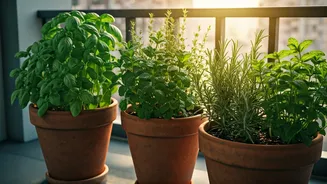
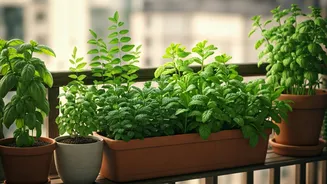
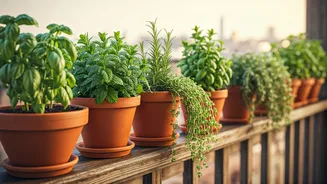
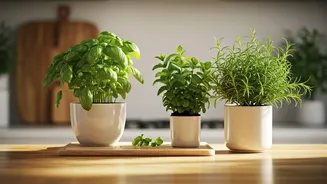
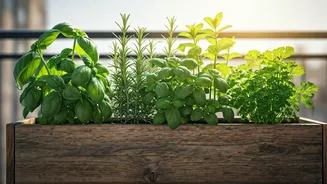
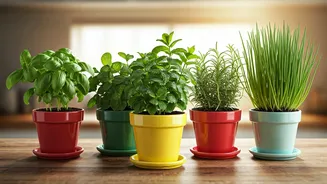
Getting started is far less complicated than you might think. You don't need a green thumb, just a little guidance. First, select your containers. Terracotta pots are classic and breathe well, but any container with drainage holes will work. Second, get the right soil. Don't just scoop dirt from a park; buy a bag of potting mix specifically designed for containers. It's lightweight and formulated to retain moisture while providing good drainage. Finally, assess your light. Most herbs love sun, ideally six or more hours a day. Observe your balcony to find the sunniest spot. That's where your new garden will live. These three elements—a good pot, proper soil, and adequate sunlight—are the foundation of a thriving balcony garden.
Five Fail-Proof Herbs for Beginners
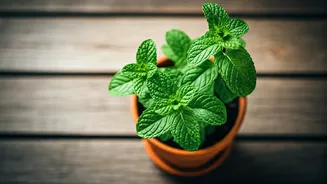
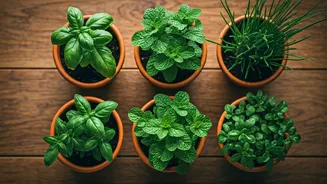
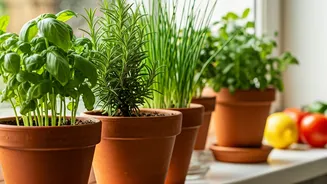
Ready to plant? Start with these forgiving and incredibly useful herbs. 1. Mint: Almost impossible to kill, but keep it in its own pot! Its runners will aggressively take over any shared space. Perfect for teas, cocktails, and fruit salads. 2. Basil: The quintessential summer herb. It loves sun and regular watering. Pinch off the tops to encourage bushier growth and enjoy it in everything from pesto to Caprese salads. 3. Chives: A mild member of the onion family that comes back year after year. Snip the green shoots to add a delicate oniony flavor to eggs, potatoes, and salads. The purple flowers are edible, too! 4. Rosemary: This woody, Mediterranean herb is drought-tolerant and loves basking in the sun. A single plant can provide aromatic sprigs for roasting meats and vegetables all year round. 5. Parsley: Whether you prefer curly or flat-leaf, parsley is a workhorse. It's rich in vitamins and adds a fresh, clean flavor that brightens almost any savory dish.
Harvesting for a Healthy Plant
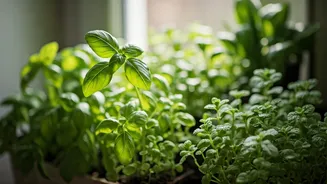
The best part of having a herb garden is actually using it. Regular harvesting is not only good for your recipes, it's good for the plants. For leafy herbs like basil and mint, pinch or snip off the top sets of leaves, right above a leaf node. This encourages the plant to branch out and become fuller instead of tall and leggy. For herbs like chives and parsley, harvest the outer, older leaves first, allowing the center to continue producing new growth. A good rule of thumb is to never take more than a third of the plant at any one time. This ensures it has enough foliage to photosynthesize and recover, guaranteeing you a continuous supply of fresh flavor.