


Beyond Marketing Buzzwords
For decades, grocery shopping was an exercise in trust. We relied on legacy brand names and comforting package design to tell us what was good. But a series of food scares, combined with a flood of confusing health claims, has eroded that trust. The modern
home cook has become a healthy skeptic, armed with a smartphone and a desire for transparency that goes far beyond a simple ingredient list. This isn’t about being paranoid; it's about being informed. Vague, unregulated terms like “natural,” “wholesome,” and “farm-fresh” have been used so liberally they’ve lost all meaning. Consumers now understand that marketing is not a guarantee of quality. They want to see the receipts—to understand the journey from farm to fork. This shift marks a fundamental change in our relationship with food, moving from passive consumption to active investigation.
Decoding the Most Common Labels
The fastest way to get proof is to understand the language of certification. These labels are your first line of defense against empty claims, but only if you know what they actually mean. * **USDA Organic:** This is one of the most rigorous, government-regulated certifications. If you see this seal, it means the product was grown or produced without synthetic pesticides, fertilizers, genetically modified organisms (GMOs), or irradiation. For meat and dairy, it certifies that animals were given organic feed and not treated with hormones or antibiotics. * **Non-GMO Project Verified:** This butterfly logo is a third-party verification that a product was produced according to best practices for GMO avoidance. It's a narrower focus than organic, as a Non-GMO product could still be grown with conventional pesticides. It’s the proof you need if your primary concern is avoiding genetically modified ingredients. * **Certified Humane / Animal Welfare Approved:** These labels focus exclusively on how animals are treated. They set standards for space, feed, and handling that go beyond the basic requirements of large-scale agriculture. If ethical treatment of animals is part of your definition of “pure,” these are the seals to look for.
Putting Technology on Your Plate
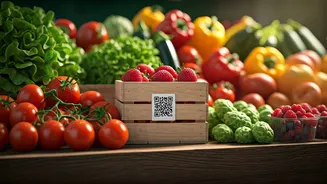
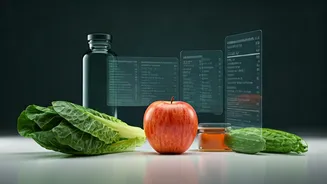
The most exciting frontier for food transparency is technology. A growing number of companies are using simple tools to give consumers unprecedented insight into their supply chains. The most common is the QR code. You might see one on a bag of coffee, a bottle of olive oil, or even a sticker on an avocado. Scanning it with your phone might pull up the exact farm where it was grown, the date it was harvested, and even the name of the farmer. This technology, often powered by blockchain for security and accuracy, creates a digital passport for your food. It replaces vague promises of “quality” with hard data. While not yet ubiquitous, it’s a powerful trend that empowers you to reward brands committed to real transparency. The next time you see a QR code in the produce aisle, don't ignore it—it’s an invitation to see the proof for yourself.
The Ultimate Proof: Go Local
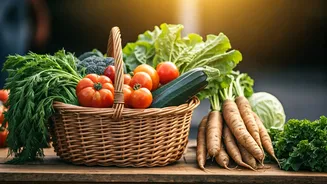
For all the value of labels and technology, the most reliable form of verification remains the oldest: shortening the distance between you and your food’s source. Shopping at a farmers' market, joining a CSA (Community Supported Agriculture) program, or visiting a local farm stand provides a level of transparency that no corporation can match. Here, the proof is personal. You can look the farmer in the eye and ask them directly about their growing practices. “Do you spray your kale?” “Are your chickens pasture-raised?” This direct conversation builds a relationship and provides immediate, trustworthy answers. It re-establishes the human connection that has been lost in our complex, globalized food system. When you can shake the hand that feeds you, you rarely need to see a label to feel confident in your purchase.