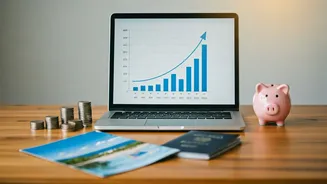









The 'Magic' of Compounding, Explained
Let’s cut through the jargon. Compounding is essentially earning returns on your returns. Imagine you invest $1,000 and earn 8% in a year. You now have $1,080. The next year, you don’t just earn 8% on your original $1,000; you earn it on the full $1,080. It’s
a small difference at first, but over time, it creates a snowball effect. Your money starts working for you, generating its own momentum. Think of it like this: your initial investment is the snowball at the top of a hill. Every bit of interest or return it earns is more snow sticking to it. As it rolls, it picks up more snow, getting bigger and faster. The longer the hill (your investment timeline), the more massive that snowball becomes by the time it reaches the bottom. This is why financial experts often call time—not the initial amount of money—the most critical ingredient for wealth-building.
Why Gen Z Has the Ultimate Advantage
Previous generations often saw investing as something you did later in life, through a stuffy brokerage with high minimums. Gen Z (born roughly between 1997 and 2012) grew up with a different reality. They are digital natives who are comfortable with fintech apps that allow for micro-investing—putting away as little as $5 or $10 at a time into stocks or ETFs. This accessibility removes the old barriers to entry. But their biggest superpower is their long time horizon. Someone starting at age 20 has over four decades for their investments to compound before retirement. But they can also set shorter-term goals. A five- or seven-year timeline is more than enough for compounding to make a tangible difference in funding a major life experience, like an international trip. By starting early, even with small, consistent amounts, they give their money the maximum possible time to grow.
From Small Savings to a Big Trip
So how does this translate into a plane ticket to Tokyo? Let's use a hypothetical example. Say a 22-year-old wants to take a $6,000 luxury trip to Italy for their 27th birthday. Instead of just saving cash, they decide to invest. They automate an investment of $75 per month into a diversified portfolio (like an S&P 500 index fund), which historically has averaged around 10% annual returns (though past performance is no guarantee). Over five years, their direct contribution would be $4,500. However, thanks to compounding, their investment could grow to be worth close to $6,000. The market did the last bit of the work for them. This strategy reframes saving from a restrictive chore into a proactive growth plan. Instead of simply putting money aside where it loses value to inflation, they are putting it to work. The goal isn't just to *have* the money for the trip, but to *grow* it.
But Let’s Be Clear: It’s Not 'Easy'
The headline uses the word "easily," and that's where we need a reality check. The concept is simple, but the execution requires discipline and an understanding of risk. Investing is not saving. Markets go up, but they also go down. For a shorter-term goal like a vacation, a downturn could temporarily reduce the value of your fund. This is why many financial advisors suggest a less aggressive portfolio for goals that are fewer than five years away. Furthermore, the plan only works if you stick to it. The temptation to withdraw funds for a new phone or a weekend getaway can derail the whole process. True compounding power is unlocked by consistency—making those regular contributions month after month, even when it feels boring. So, is it easy? No. Is it an achievable, systematic way for a disciplined young person to fund major goals without taking on debt? Absolutely.