





An Island Apart
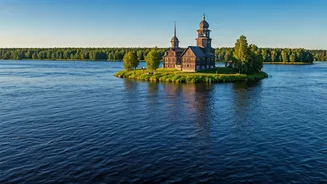
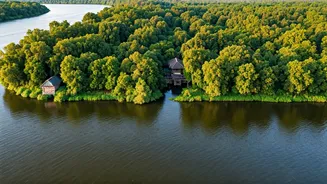
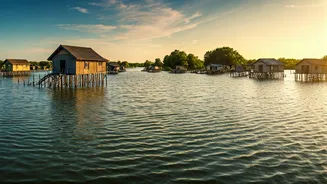
Majuli isn't just any island; it's often cited as the world’s largest river island, a sprawling, serene landscape of rice paddies, wetlands, and small villages built on stilts. Life here moves at a different pace, dictated by the river’s rhythm and the cycles
of worship. The air feels cleaner, the greens look brighter, and the silence is broken only by the calls of birds and the distant sound of chanting. For centuries, this isolation has been Majuli’s greatest protector, allowing a unique culture to blossom, centered around incredible institutions known as Satras.
The Heart of the Satra
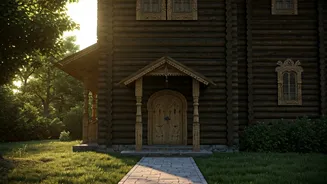
To understand Majuli is to understand the Satra. These are not simply monasteries, but vibrant cultural and spiritual centers of a 15th-century reformist movement called Neo-Vaishnavism, founded by the saint and artist Srimanta Sankardeva. He envisioned a form of worship accessible to all, expressed not through rigid rites but through collective artistic devotion—music (*borgeet*), dance, and drama (*bhaona*). The Satras became the hubs for this vision. Today, they function as living museums and active communities where young monks, or *bhakats*, dedicate their lives to prayer and the preservation of these artistic traditions. Walking into a Satra’s prayer hall, with its massive wooden pillars and quiet reverence, feels like stepping into the very soul of Assam.
Faces of Gods and Demons
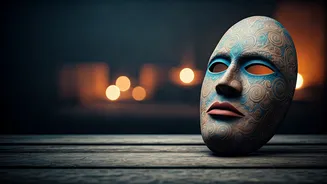
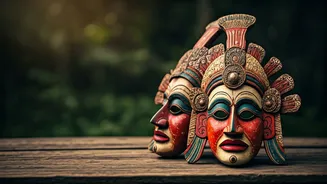
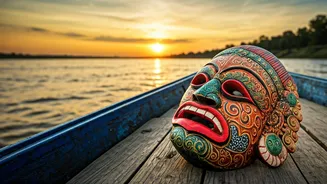
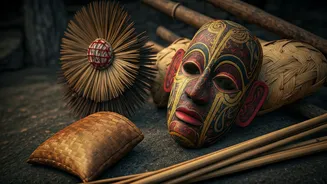
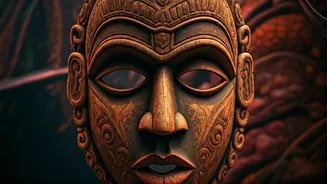
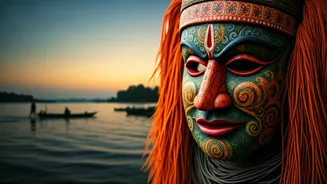
One of Majuli's most visually stunning art forms is mask-making, known locally as *mukha bhaaona*. These are not static decorative pieces; they are elaborate, expressive characters brought to life in religious plays. Artisans, often from families who have practiced the craft for generations, meticulously construct the masks from bamboo frames, which are then covered with cloth, clay, and cow dung. The results are astonishing: giant, intricate faces of gods, demons, and animals from Hindu epics like the Ramayana and Mahabharata. Some masks are so large they cover the entire body of the actor. During festival performances, watching these larger-than-life characters move and interact under the flicker of oil lamps is a powerful, otherworldly experience that transcends language.
A Dance for Devotion
Flowing from the same spiritual wellspring is Sattriya, a dance form born within the walls of the Satras. Originally performed only by male monks as part of their daily rituals, it has since evolved and is now recognized as one of India's major classical dance forms. Unlike more percussive and dramatic styles, Sattriya is characterized by its grace, fluidity, and deeply devotional core. The movements tell stories of the deity Krishna, but the performance is as much an act of prayer as it is a spectacle. Watching a Sattriya dancer is to see devotion made manifest, each gesture and expression a carefully honed offering to the divine.
A Culture Against the Current
Despite its profound beauty and history, Majuli’s existence is fragile. The same river that created the island is now slowly consuming it. Every monsoon season, the aggressive currents of the Brahmaputra erode huge chunks of land, washing away homes, fields, and even Satras. The island has shrunk dramatically over the last century, and its inhabitants live with the constant, existential threat of displacement. This environmental precarity adds a layer of urgency to the cultural preservation work being done. The artisans and monks of Majuli are not just practicing their art; they are in a race against time, fighting to keep a 500-year-old legacy from being washed away.